

What Is the Best Dry Food for Senior Dogs When Aging Causes Weight Gain, Stiff Joints, and Less Interest in Meals
As dogs grow older, feeding them becomes more emotional and more confusing. Many pet parents start searching for what is the best dry food for senior dogs when aging causes weight gain, stiff joints, and less interest in meals. Your dog may still wag their tail and follow you around, but their body is changing in ways that affect how they eat and digest food.
Choosing the right dry food can improve your senior dog’s comfort, energy, and quality of life. This guide is written from one pet owner to another, focusing on what truly helps older dogs thrive. No hype. Just clear, caring advice you can trust.
How Aging Changes Your Dog’s Nutritional Needs

As dogs age, their metabolism slows down. They burn fewer calories but still need strong nutrition. This makes it easier for them to gain weight even if they eat the same amount as before. Extra weight can worsen joint pain and reduce mobility.
Older dogs also process nutrients differently. Their digestive systems may become more sensitive, and their bodies may not absorb vitamins as efficiently. That is why the best dry food for senior dogs is designed to deliver more support in fewer calories.
Tip: If your dog is over seven years old, it is a good time to reassess their food even if they seem healthy.
Why Senior Dogs Benefit From Special Dry Food
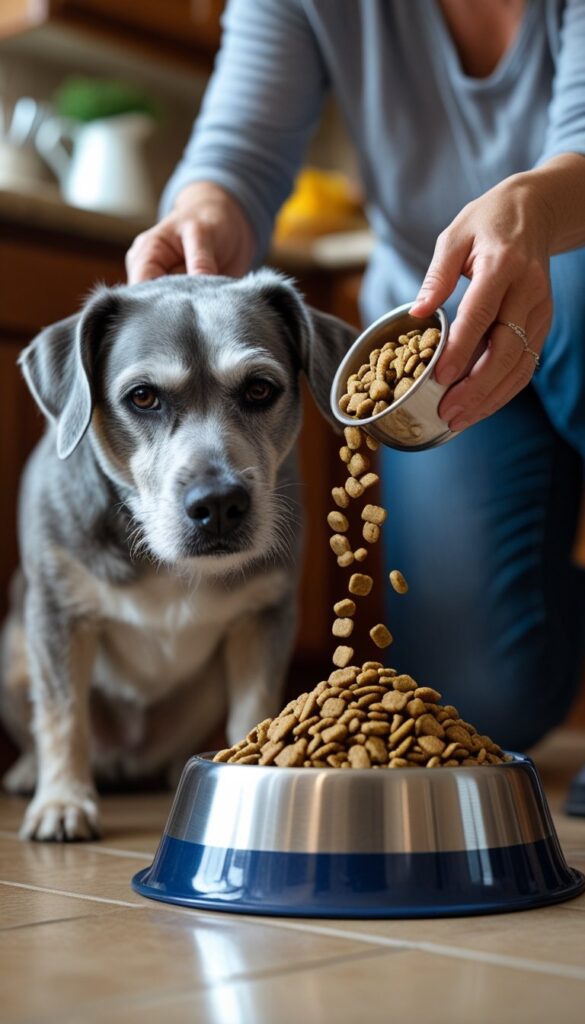
Senior-specific dry food is formulated with age-related health concerns in mind. It usually contains fewer calories, balanced protein levels, and added nutrients for joints and brain health. These changes help support an older dog’s slowing body.
Feeding adult dog food for too long can lead to weight gain or nutritional gaps. The best dry food for senior dogs supports longevity by keeping muscles strong while reducing stress on joints and organs.
Tip: Transition slowly when switching foods to avoid digestive upset.
The Importance of High Quality Protein

Protein is still essential for senior dogs. It helps maintain muscle mass and supports immune health. However, quality matters more than quantity. Easily digestible protein sources are better for aging systems.
Look for named proteins like chicken, turkey, salmon, or lamb as the first ingredient. These proteins help older dogs stay strong without overworking their digestion.
Tip: Avoid vague ingredients like meat by-products when choosing senior food.
Managing Weight Without Sacrificing Nutrition

Weight gain is one of the most common issues in senior dogs. Extra pounds increase pressure on joints and can worsen conditions like arthritis and diabetes. Senior dry food is often lower in fat but still nutrient-rich.
The goal is not to feed less food, but to feed smarter food. The best dry food for senior dogs provides fullness and satisfaction without excess calories.
Tip: Measure portions carefully and adjust based on your dog’s activity level.
Supporting Joint Health Through Diet

Joint stiffness and reduced mobility are common in older dogs. Nutrition plays a big role in managing discomfort. Many senior dog foods include glucosamine and chondroitin to support joint cushioning.
Omega-3 fatty acids from fish oil also help reduce inflammation. These nutrients can make everyday movements like standing up and climbing stairs easier for your dog.
Tip: Look for joint-support ingredients listed clearly on the label.
Helping Sensitive Digestion in Older Dogs
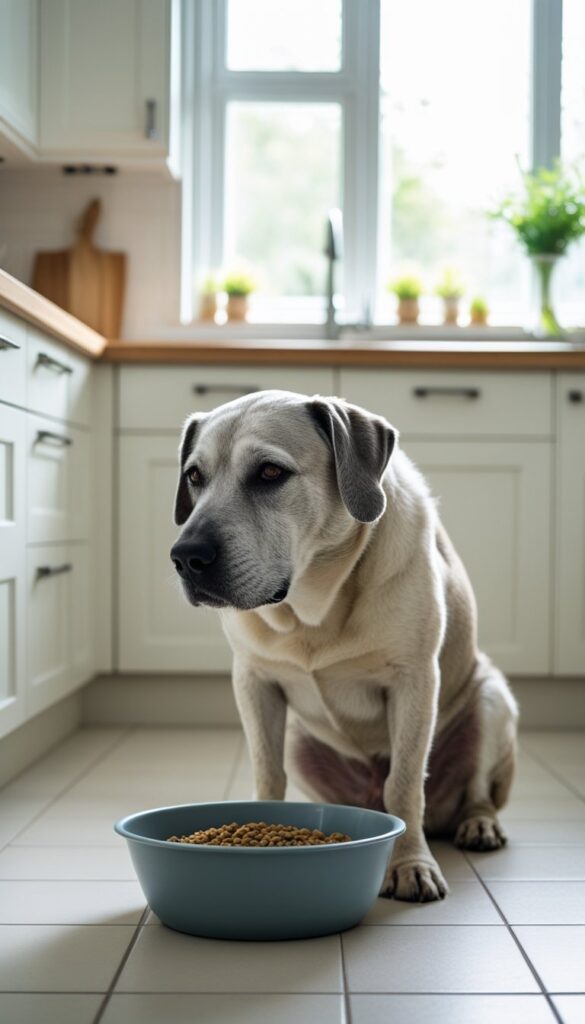
Aging dogs often develop sensitive stomachs. They may experience gas, loose stools, or reduced appetite. Senior dry food typically includes gentle fibers and probiotics to support gut health.
Ingredients like pumpkin, beet pulp, and rice are easier to digest and help regulate bowel movements. This makes meals more comfortable and enjoyable again.
Tip: Sudden digestive changes should always be discussed with your vet.
Keeping the Brain and Eyes Sharp

Cognitive decline can affect senior dogs just like humans. You may notice confusion, disrupted sleep, or reduced responsiveness. Certain nutrients help support brain and eye health as dogs age.
Antioxidants, DHA, and vitamin E support mental clarity and vision. The best dry food for senior dogs often includes these nutrients to help maintain awareness and quality of life.
Tip: Mental stimulation combined with proper nutrition helps aging brains stay active.
Encouraging a Picky Senior Dog to Eat

Some older dogs lose interest in food. Reduced smell, dental discomfort, or boredom can all affect appetite. Senior dry food is often designed to be more aromatic and palatable.
You can also soften kibble with warm water to enhance smell and texture. This can make meals more appealing without changing the food itself.
Tip: Keep feeding times consistent to build routine and appetite.
Reading Labels and Avoiding Harmful Fillers
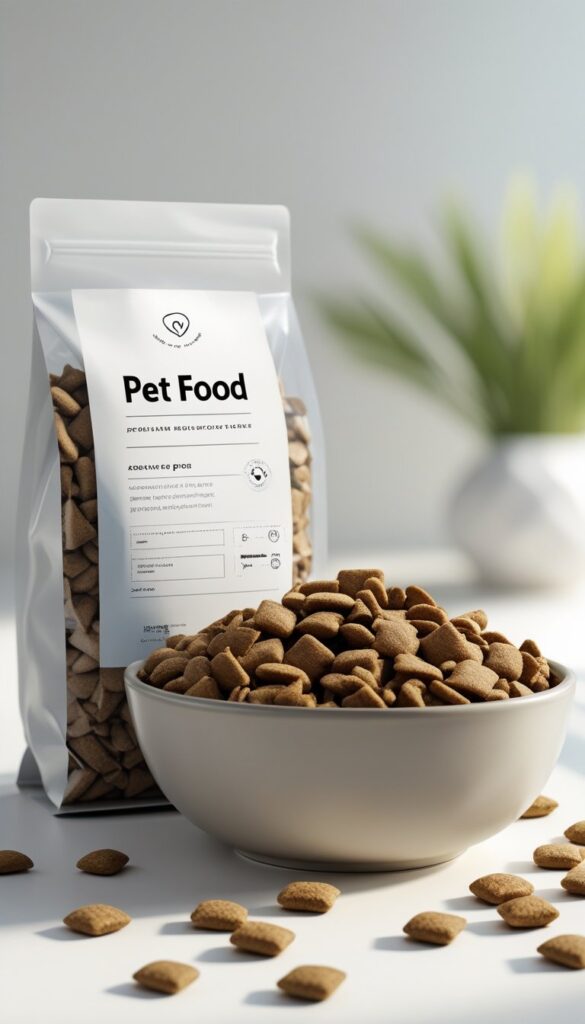
Not all senior dog foods are created equal. Some rely heavily on fillers like corn or artificial flavors. These ingredients offer little nutritional value and can upset sensitive systems.
Focus on clear ingredient lists with whole foods and minimal additives. The best dry food for senior dogs is simple, balanced, and transparent.
Tip: Shorter ingredient lists are often easier on aging bodies.
Conclusion: Feeding Your Senior Dog With Confidence and Care

Choosing the right food for an aging dog is an act of love. When you understand how their needs change, it becomes easier to select a food that supports comfort, mobility, and happiness. The best dry food for senior dogs is one that fits your dog’s body, lifestyle, and health concerns.
Trust your observations, read labels carefully, and do not be afraid to adjust as your dog ages. With the right nutrition and a little patience, your senior dog can continue to enjoy life, one meal at a time.
Tip: Regular vet checkups help ensure your senior dog’s diet stays aligned with their health needs.