

What Is the Best Wet Food for Senior Dogs When Chewing Is Harder, Digestion Is Sensitive, and Appetite Is Fading
As dogs grow older, mealtime can become challenging. Many pet parents wonder what is the best wet food for senior dogs when chewing is harder, digestion is sensitive, and appetite is fading. Teeth may be worn down, gums may be sore, and dry food might no longer feel comfortable or appealing.
Wet food can be a gentle, nourishing solution for senior dogs. It is easier to chew, often more flavorful, and helps keep older dogs hydrated. This guide will help you understand how to choose the right wet food so your senior dog can enjoy meals again and stay healthy in their golden years.
How Aging Affects Eating and Digestion in Senior Dogs
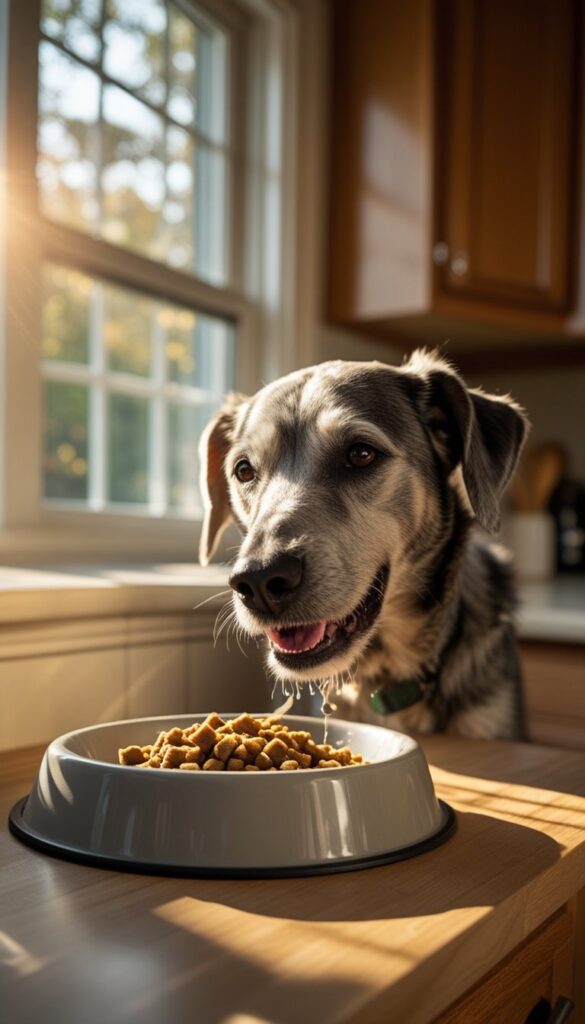
As dogs age, their bodies slow down and so does their digestive system. They may struggle to break down certain ingredients, leading to gas, loose stools, or discomfort after eating. At the same time, dental issues can make chewing painful.
This is where wet food can be especially helpful. The best wet food for senior dogs is soft, easy to digest, and packed with nutrients that are gentle on aging systems.
Tip: Pay close attention to your dog’s eating habits and stool quality. Introduce wet food gradually over 7–10 days to help your dog’s digestive system adjust. Keep a food journal noting which flavors or textures your dog prefers and whether digestion improves, so you can make informed, long-term choices.
Why Wet Food Is Often Better for Senior Dogs

Wet food has a higher moisture content than dry food. This helps support hydration, which is especially important for senior dogs who may not drink enough water on their own. Proper hydration supports kidney health and digestion.
Wet food is also usually more aromatic and flavorful. This can help stimulate appetite in older dogs who have lost interest in eating. The best wet food for senior dogs balances taste with nutrition, not just flavor alone.
Tip: Slightly warming wet food enhances aroma and entices picky eaters. Offer food in a quiet, comfortable environment to encourage positive mealtime experiences, and rotate flavors periodically to maintain interest.
The Role of High Quality Protein in Wet Food
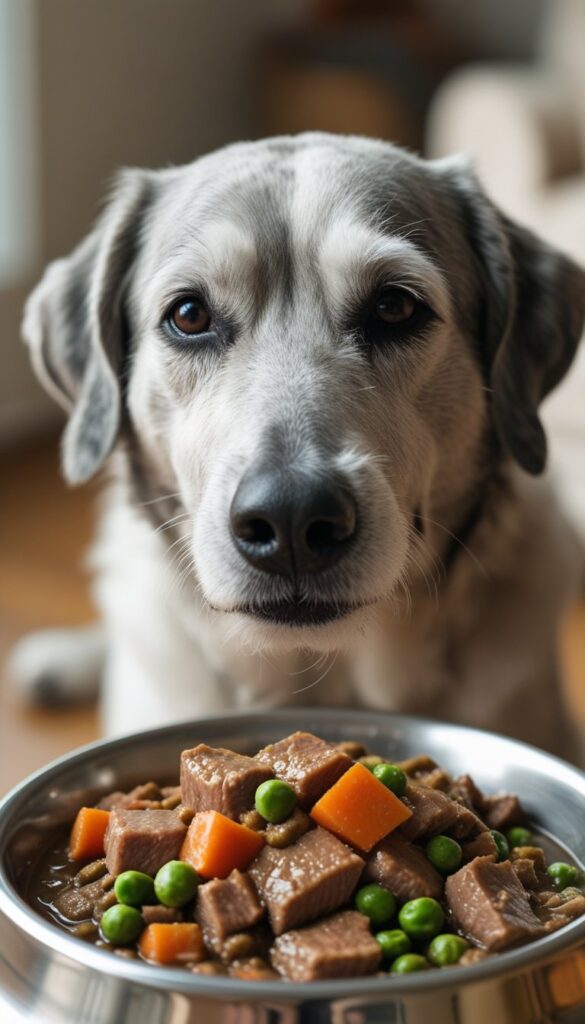
Senior dogs still need protein to maintain muscle mass and strength. However, the protein should be easy to digest and sourced from real meats. Wet food often uses simpler recipes with fewer fillers.
Look for wet foods that list chicken, turkey, beef, or fish as the first ingredient. These proteins support muscle health without putting stress on digestion.
Tip: Choose wet foods with clearly labeled, named protein sources. Avoid vague “meat by-products.” Rotate protein sources weekly to ensure variety and provide balanced amino acids for lean muscle maintenance.
Supporting Joint and Mobility Health Through Diet
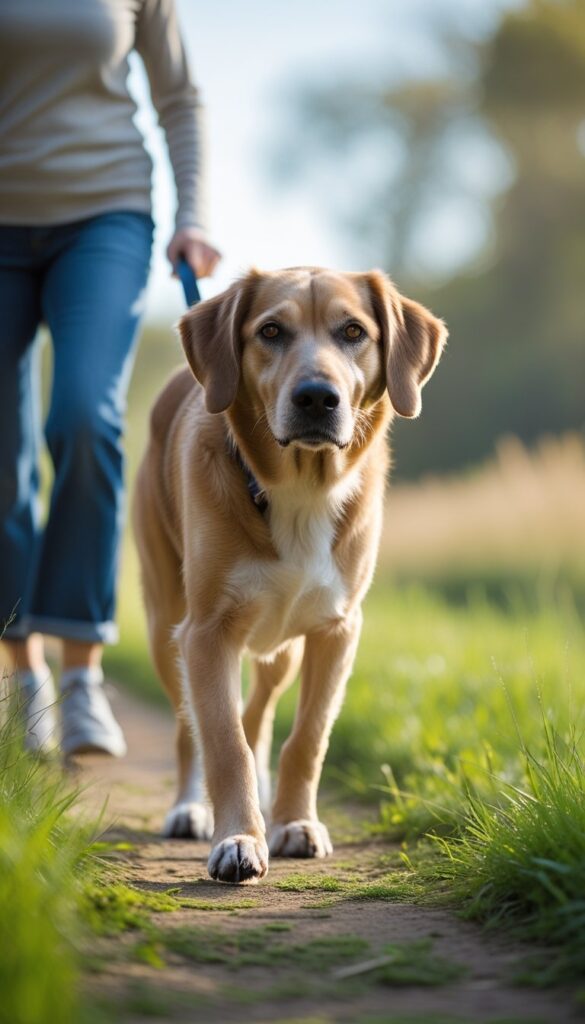
Joint pain and stiffness are common in senior dogs. Nutrition plays a key role in managing inflammation and supporting mobility. Many wet foods designed for seniors include added joint-supporting nutrients.
Ingredients like glucosamine, chondroitin, and omega-3 fatty acids help protect joints and reduce discomfort. The best wet food for senior dogs often includes these nutrients clearly listed on the label.
Tip: Pair joint-supportive wet food with gentle daily exercise, such as short walks or low-impact play. Monitor mobility and note improvements in energy or stiffness, then adjust food portions and activity levels as needed.
Helping Sensitive Stomachs With Gentle Ingredients

Older dogs often develop sensitive stomachs. Wet food formulas for seniors usually include limited ingredients and easily digestible carbohydrates like rice or sweet potatoes.
Fiber sources such as pumpkin help regulate digestion and improve stool quality. This makes meals more comfortable and reduces digestive upset.
Tip: Introduce new wet food slowly and observe how your dog responds. Keep a consistent feeding schedule and note any signs of bloating, gas, or irregular stools to identify which ingredients work best for your dog.
Managing Weight With the Right Wet Food

Weight management is crucial for senior dogs. Extra weight puts strain on joints and organs. Wet food can help with portion control because it is filling while often being lower in calories per serving.
The best wet food for senior dogs provides balanced nutrition without excessive fat. This helps maintain a healthy weight while still supporting energy levels.
Tip: Measure meals carefully using a kitchen scale. Adjust portions based on activity and body condition. Combine diet with gentle daily exercise to prevent weight gain and support long-term health.
Keeping the Brain and Senses Sharp

Cognitive changes can appear as dogs age. You may notice confusion, changes in sleep patterns, or reduced awareness. Certain nutrients help support brain health and vision.
Antioxidants, DHA, and vitamins help protect brain cells and support mental clarity. Wet food formulas for seniors often include these nutrients in easily absorbable forms.
Tip: Pair nutrient-rich wet food with mental stimulation such as puzzle feeders or gentle training exercises. Observe signs of alertness and responsiveness to gauge brain health over time.
Encouraging a Picky Senior Dog to Eat Again

Loss of appetite is common in senior dogs. Wet food is often more appealing due to its texture and smell. This can help restore interest in meals.
You can also mix wet food with a small amount of warm water or serve it at room temperature for better acceptance.
Tip: Establish a consistent feeding routine in a calm environment. Try offering small portions several times a day instead of one large meal, and observe which textures and flavors your dog prefers.
Reading Labels and Choosing Safe Ingredients
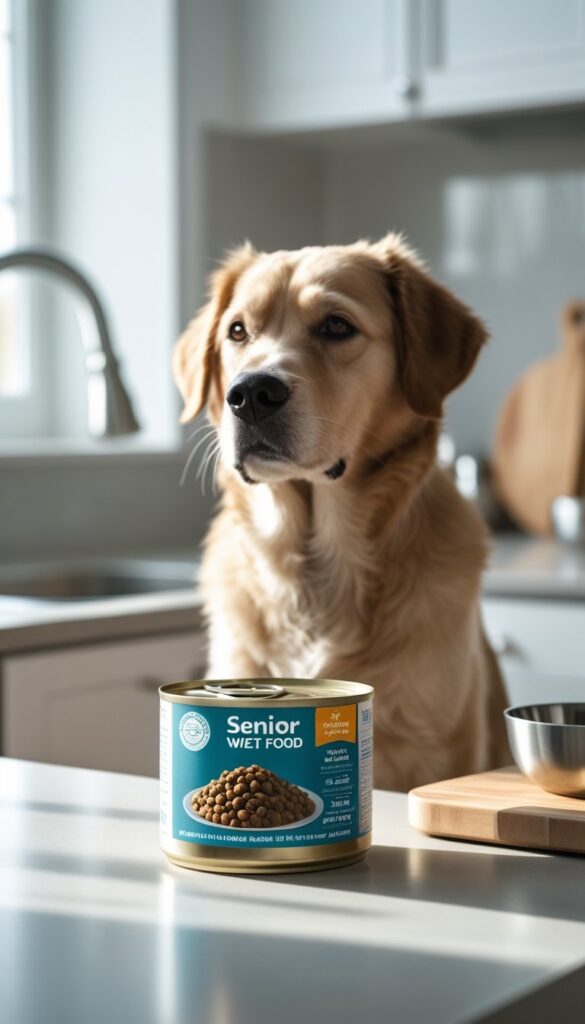
Not all wet foods are created equal. Some contain artificial preservatives, excess salt, or fillers that offer little nutritional value. These ingredients can worsen health issues over time.
The best wet food for senior dogs uses simple, transparent ingredient lists with real foods and minimal additives.
Tip: Look for short, natural ingredient lists without unnecessary chemicals. Choose foods with clearly defined protein and vegetable sources, and track your dog’s digestive response over several weeks to ensure tolerance.
Conclusion

Choosing the right wet food for an aging dog is an important part of caring for them in their later years. When you understand their changing needs, it becomes easier to select food that supports comfort, digestion, and overall health. The best wet food for senior dogs helps them enjoy meals without pain or discomfort.
Trust your observations, read labels carefully, and be willing to adjust as your dog ages. With the right nutrition and patience, your senior dog can continue to enjoy life, one meal at a time.
Tip: Schedule regular veterinary checkups every six months, monitor weight, digestion, teeth, and energy levels, and adjust food type or portions as your dog’s needs change.