

What Is the Best Soft Food for Senior Dogs With Dental Pain and Chewing Difficulty That Makes Mealtime Stressful
As dogs grow older, dental pain and chewing difficulty can quietly turn mealtime into a struggle. Many pet parents start searching for the best soft food for senior dogs with dental pain and chewing difficulty when they notice food being dropped, slower eating, or meals left unfinished. These changes can be heartbreaking, especially when your dog clearly wants to eat but seems uncomfortable.
Soft food can make a meaningful difference. It reduces strain on sore teeth and gums while still providing the nutrition senior dogs need to stay strong. This guide will walk you through how to choose the right soft food so your aging dog can eat comfortably and enjoy meals again.
How Dental Pain Affects Senior Dogs at Mealtime

Dental issues are extremely common in senior dogs. Worn teeth, gum disease, and missing teeth can make chewing hard or painful. Even dogs who once loved crunchy food may begin avoiding it without obvious signs of pain.
When chewing hurts, dogs may swallow food too quickly, drop kibble, or stop eating altogether. The best soft food for senior dogs with dental pain supports comfortable chewing while still delivering balanced nutrition.
Tip: Check your dog’s mouth regularly for redness, swelling, or bad breath and schedule dental exams before eating problems worsen.
Why Soft Food Is Ideal for Chewing Difficulty

Soft food requires far less effort to eat. It does not require grinding or heavy jaw pressure, making it ideal for dogs with sore gums or weakened teeth. This allows your dog to eat without discomfort or frustration.
Soft food also encourages better calorie intake. When eating becomes easier, dogs are more likely to finish meals and maintain a healthy weight. The best soft food for senior dogs focuses on texture as much as nutrition.
Tip: Choose food with a smooth or finely minced texture rather than large chunks to reduce chewing strain.
Types of Soft Food Options for Senior Dogs

Soft food for senior dogs comes in several forms. Commercial wet food is the most common, but there are also gently cooked meals and softened dry food options. Each has its benefits depending on your dog’s needs.
Wet food offers moisture and flavor, while soaked kibble can be a budget-friendly alternative. Gently cooked foods provide whole-food nutrition but may require refrigeration. The best soft food for senior dogs is one your dog can eat comfortably and consistently.
Tip: Experiment with different soft textures to find what your dog chews and swallows most easily.
Nutritional Needs Still Matter With Soft Food
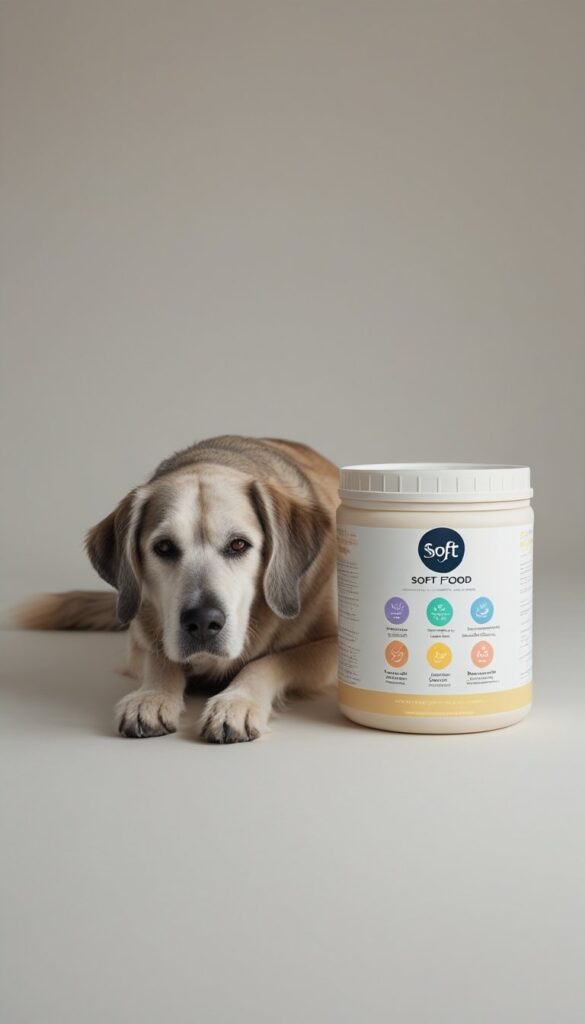
Soft does not mean nutritionally weak. Senior dogs still need protein, vitamins, and minerals to maintain muscle and organ health. The challenge is delivering these nutrients in an easy-to-eat form.
Look for soft foods with high-quality protein as the first ingredient and added nutrients for joints and immunity. The best soft food for senior dogs balances softness with complete nutrition.
Tip: Read labels carefully to ensure the food meets senior dog nutritional standards and is not just filler-based.
Supporting Digestion Alongside Dental Comfort
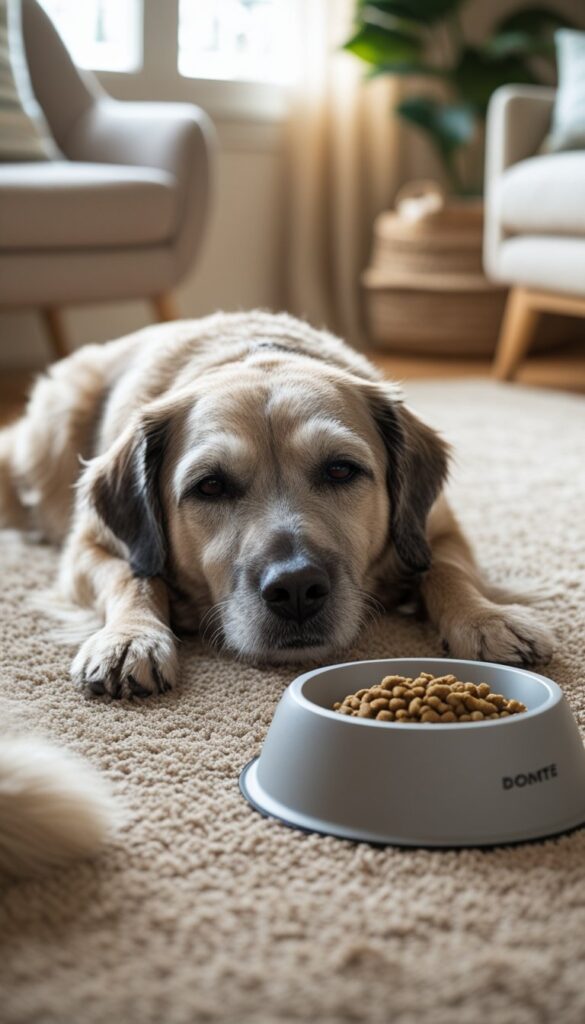
Senior dogs with dental pain often also have sensitive digestion. Soft foods are generally easier on the stomach, especially when made with simple, natural ingredients.
Ingredients like pumpkin, rice, and sweet potato support digestion while being gentle to chew. This combination improves both comfort and nutrient absorption.
Tip: Introduce new soft foods slowly over a week to prevent digestive upset and monitor stool consistency.
Maintaining Weight When Chewing Is Painful

When chewing hurts, dogs may eat less and lose weight unintentionally. Soft food helps maintain calorie intake without forcing uncomfortable chewing.
At the same time, portion control is important since soft food can be calorie-dense. The best soft food for senior dogs supports steady weight without causing gain or loss.
Tip: Weigh your dog monthly and adjust portions gradually based on appetite and body condition.
Hydration Benefits of Soft Food
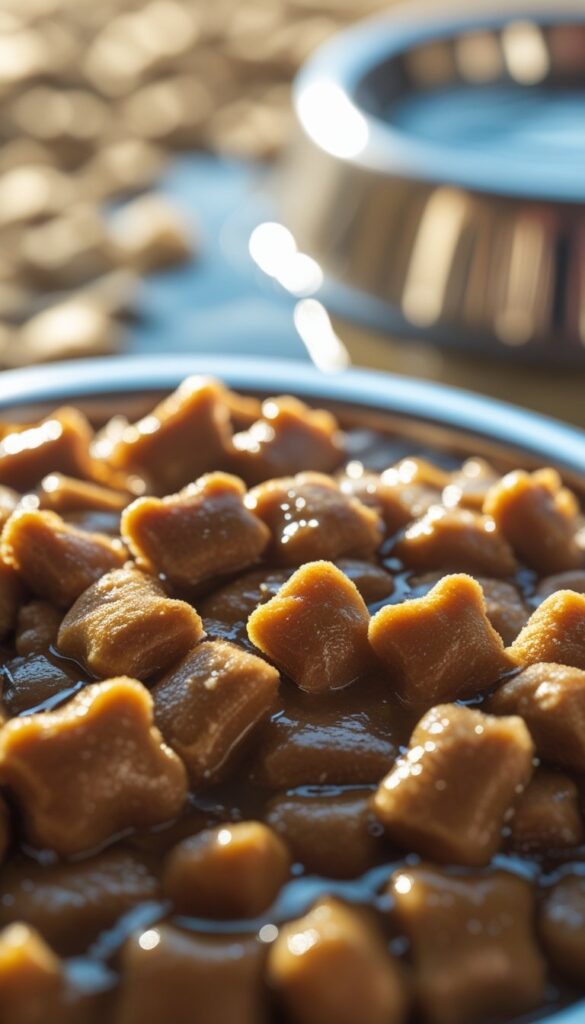
Soft food contains significantly more moisture than dry food. This helps support hydration, especially for senior dogs who drink less water.
Better hydration supports kidney health, digestion, and overall energy levels. For dogs with dental pain, this added moisture is an extra benefit.
Tip: Serve soft food at room temperature to make it more appealing and easier to eat.
Encouraging Appetite in Dogs With Mouth Pain

Dental discomfort can reduce appetite even when dogs are hungry. Soft food is often more aromatic and appealing, helping stimulate interest in eating.
Consistency also matters. Feeding in a calm, familiar place helps reduce stress and encourages better eating habits.
Tip: Offer smaller meals more frequently if your dog struggles to finish full portions.
When to Combine Soft Food With Veterinary Care
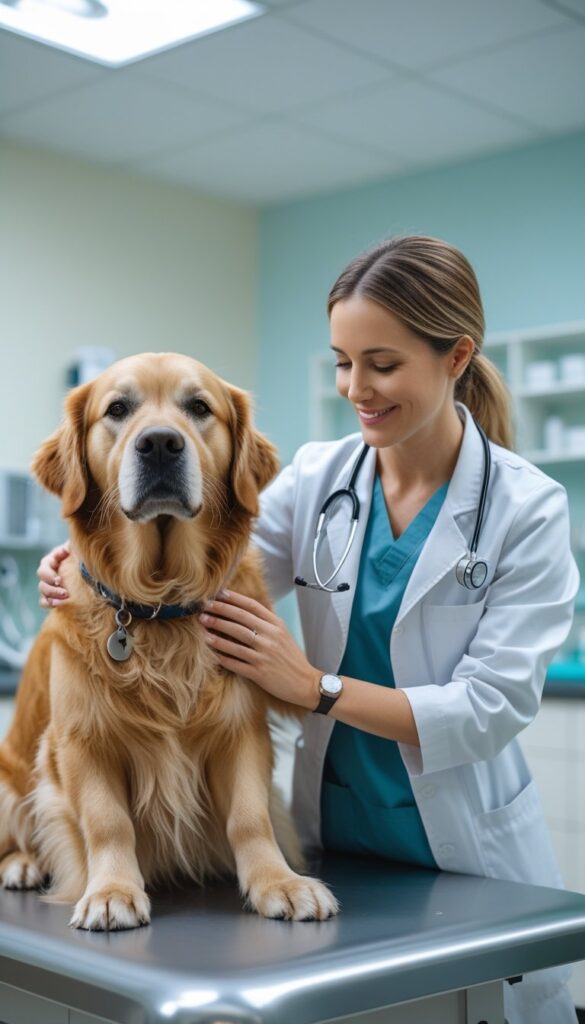
Soft food helps manage symptoms, but it does not replace dental treatment. Ongoing dental pain should always be addressed with professional care.
The best soft food for senior dogs works best alongside routine dental cleanings and vet checkups. Together, they improve comfort and long-term health.
Tip: Ask your vet to assess whether dental treatment or tooth extraction could further improve your dog’s eating comfort.
Conclusion

Dental pain does not have to steal your senior dog’s joy at mealtime. With the right soft food, eating can become comfortable again rather than stressful. The best soft food for senior dogs with dental pain and chewing difficulty supports nutrition, comfort, and quality of life.
Pay attention to small changes, choose gentle textures, and adjust as your dog ages. With patience and the right care, your senior dog can continue to enjoy food and feel loved at every meal.
Tip: Schedule dental checkups at least once a year and reassess food texture whenever chewing habits change.