10 Reasons to Choose Affordable Organic Dog Food Online for a Happier, Healthier Pup
Finding affordable organic dog food online can feel like searching for a hidden gem. You want the best for your furry friend, but you also need to stick to a budget. The good news? More pet food brands now offer healthy, organic options that don’t break the bank.
In this guide, we’ll explore why organic dog food is worth every penny, how to choose the right one for your pup, and where to find great deals online. Let’s make sure your dog eats clean, nutritious meals — without overspending.
1. Why Go Organic for Your Dog’s Health

Organic dog food uses ingredients grown without harmful pesticides, synthetic fertilizers, or artificial additives. That means fewer chemicals and more real nutrition for your pup. These natural ingredients often include whole meats, fresh vegetables, and nutrient-rich grains.
When your dog eats clean food, their body absorbs nutrients better. You’ll notice improvements in coat shine, digestion, and energy levels. Choosing organic isn’t just a trend — it’s a way to protect your pet’s long-term health.
Tip: Check the label for certifications like USDA Organic or Non-GMO Project Verified before buying.
2. The Real Meaning of “Affordable” in Organic Dog Food

Many pet parents assume “organic” means expensive. But affordability depends on value, not just price. Some cheaper kibbles use fillers that make dogs hungrier faster, leading to higher feeding costs over time.
With organic food, every bite counts. Your dog feels full longer and gets better nutrition from smaller portions. Buying affordable organic dog food online often saves even more through discounts, bundles, and auto-ship deals.
Tip: Compare the “cost per serving” instead of just the bag price when shopping online.
3. Top Benefits of Organic Ingredients

Organic ingredients provide vitamins, minerals, and antioxidants naturally. Dogs eating organic diets tend to have better immune systems and fewer allergies. Without synthetic preservatives or artificial flavors, their bodies can process food more efficiently.
A natural diet supports a healthy coat, reduces itching, and improves digestion. You’ll likely notice fewer vet visits and better overall wellness. Your dog’s tail wags say it all!
Tip: Look for organic dog food recipes with whole proteins like chicken, beef, or salmon as the first ingredient.
4. Finding Reliable Brands Online
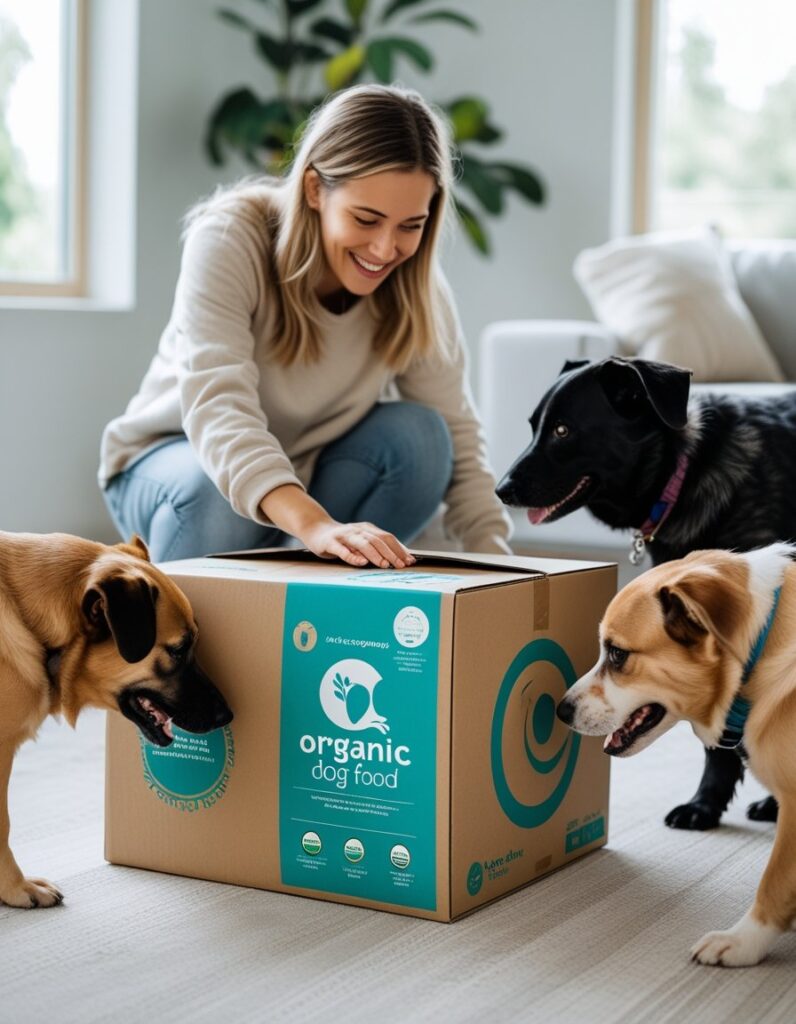
When searching for organic dog food online, stick with trusted retailers and brand websites. Look for transparency about ingredient sourcing and production methods. Read reviews from other dog owners and pay attention to recurring feedback on taste, freshness, and digestion.
Websites like Chewy, Amazon, and Petco offer verified organic brands at competitive prices. You can even set up recurring deliveries so your pup never runs out of food.
Tip: Always check the expiration date and storage recommendations before buying large quantities.
5. Comparing Dry vs. Wet Organic Dog Food
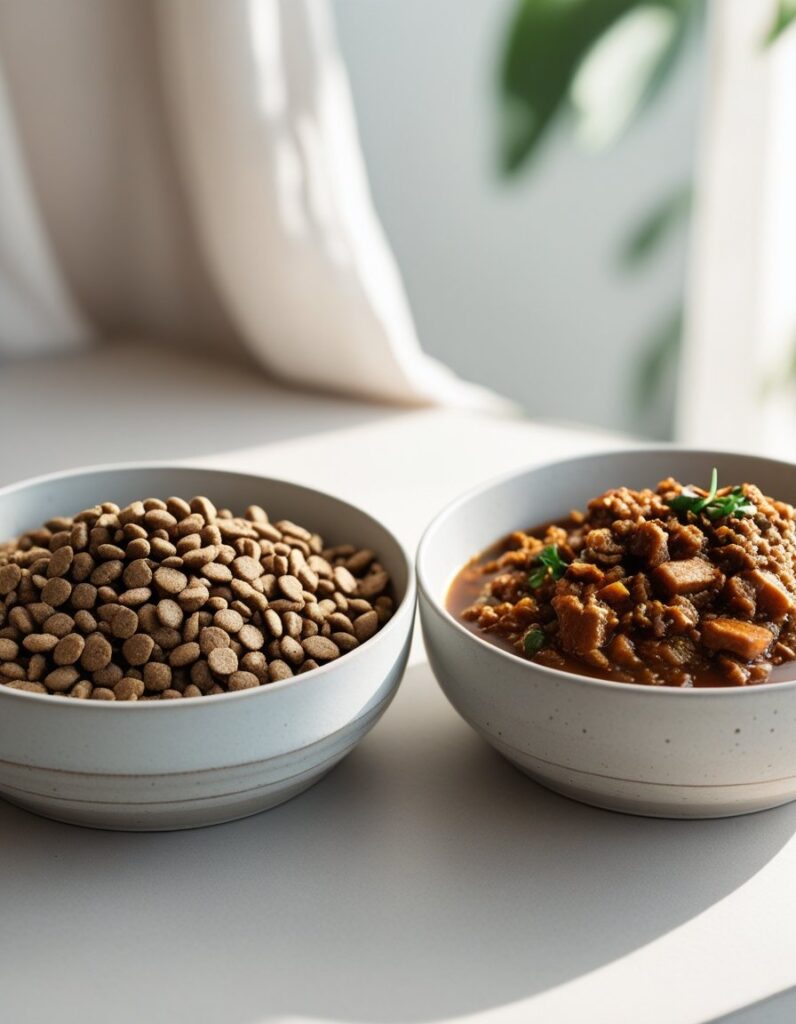
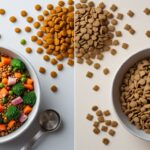
Dry kibble lasts longer and is more budget-friendly for most households. It also helps keep your dog’s teeth clean. Wet food, however, offers more moisture, which is ideal for dogs that don’t drink much water or have dental issues.
Some pet parents mix both for variety and balance. Many affordable organic brands sell combo packs online that let you experiment without spending too much.
Tip: Try a small bag or can first to see how your dog reacts before committing to bulk orders.
6. Understanding Labels and Certifications
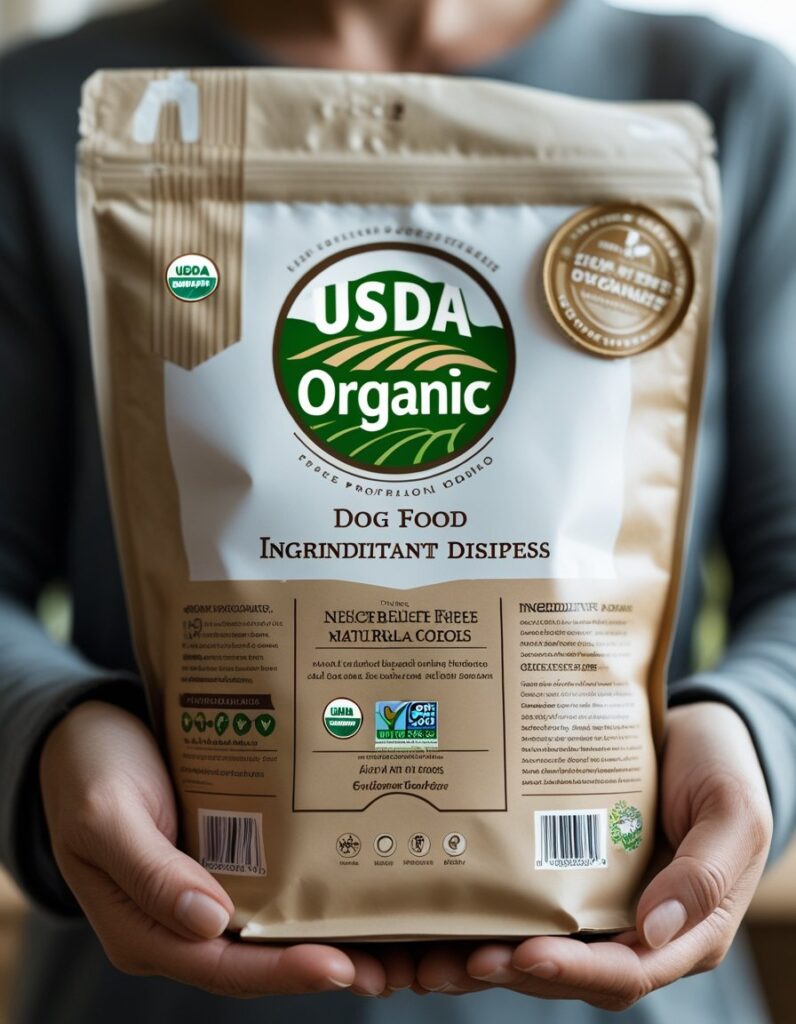
Labels can be confusing. Terms like “natural,” “grain-free,” and “premium” don’t always mean organic. Only certified organic products follow strict standards that limit chemical use and artificial additives.
Look for labels such as USDA Organic or “Certified Organic by [Agency Name].” These seals ensure quality and safety. Avoid vague claims that lack certification proof.
Tip: Learn to read ingredient lists carefully — the fewer artificial ingredients, the better.
7. Common Myths About Organic Dog Food
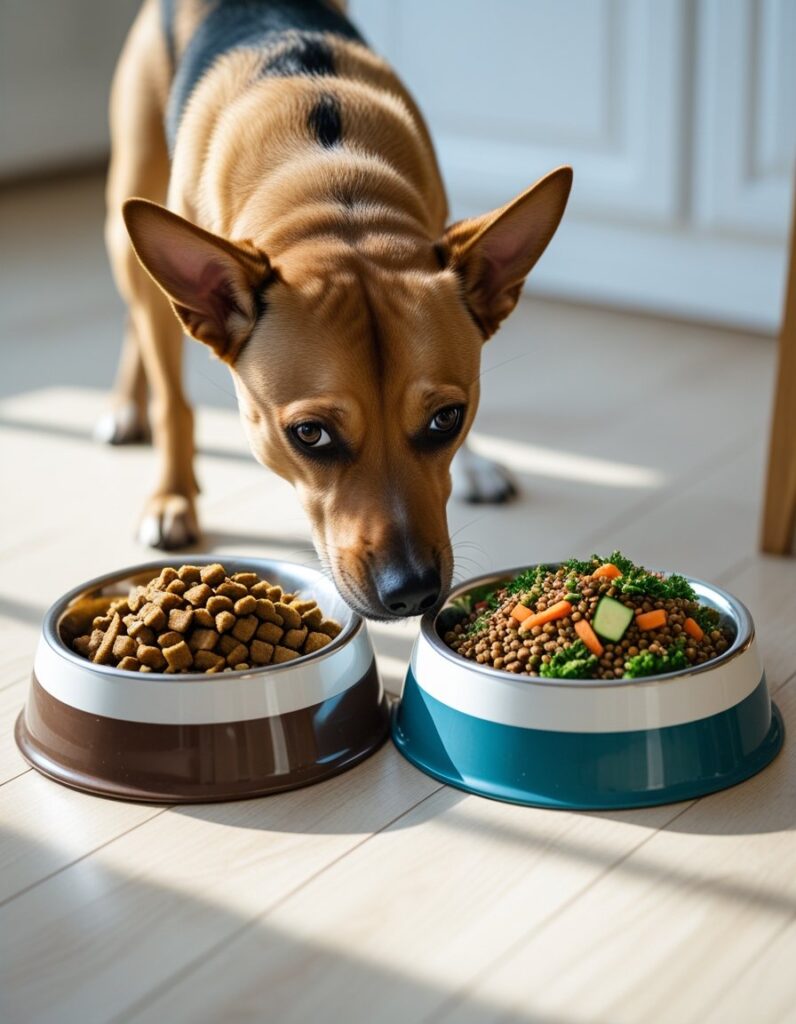
Some people believe organic food is unnecessary for dogs or that it’s all hype. The truth is, while not every dog needs 100% organic meals, switching even partially to organic can make a noticeable difference in health and behavior.
Another myth is that organic food lacks protein or flavor. Many brands use high-quality meats and wholesome ingredients dogs love — no need for artificial enhancers.
Tip: Don’t let myths stop you — try organic food for a month and observe your dog’s health changes.
8. Saving Money on Organic Dog Food
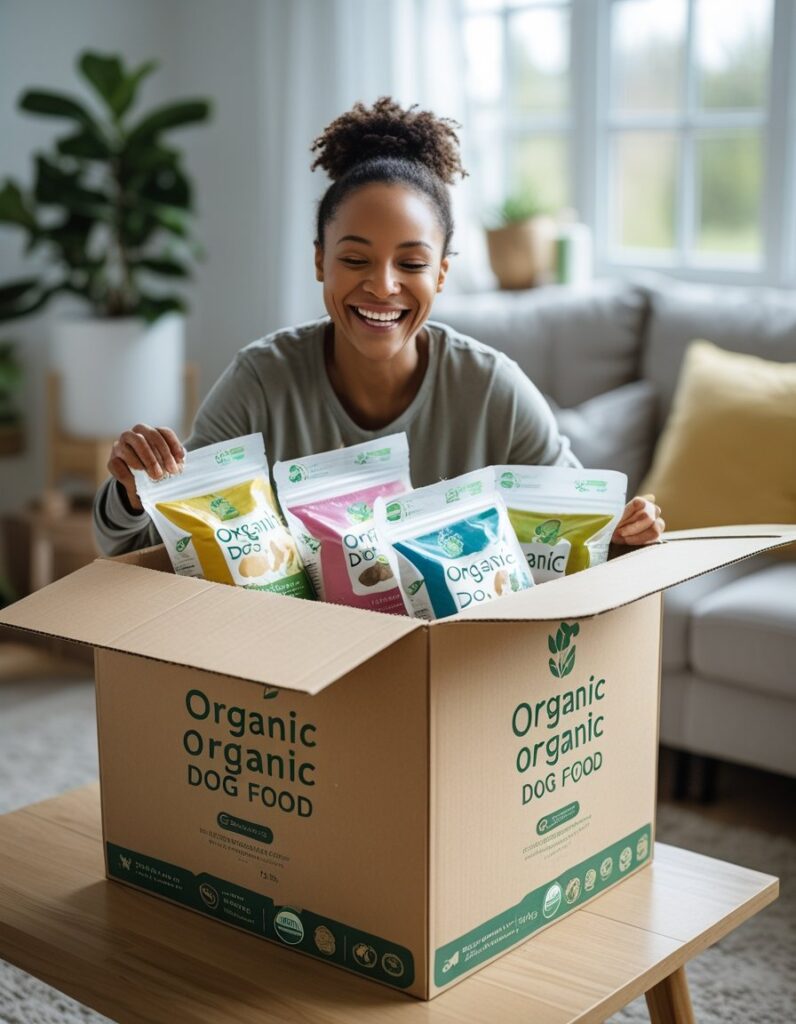
Buying affordable organic dog food online is smart when you know where to look. Subscribe to brand newsletters for coupons or join loyalty programs for discounts. Bulk orders, auto-ships, and seasonal promotions can also cut costs significantly.
Compare online retailers and check shipping options. Some brands even offer free shipping on recurring deliveries. You’ll be surprised how much you can save with a few smart clicks.
Tip: Set up automatic delivery schedules to lock in lower prices and avoid last-minute purchases.
9. Transitioning Your Dog to Organic Food

Switching too fast can upset your dog’s stomach. Gradually mix the new organic food with their current diet over 7–10 days. Start with 25% new and 75% old, increasing the organic portion daily.
Observe how your dog responds. Some may adjust quickly, while others need more time. Watch for signs like softer stools or mild gas — these usually resolve as their system adapts.
Tip: Keep your vet informed during the transition, especially if your dog has allergies or sensitivities.
Also Read: https://thepetbites.com/premium-dog-food-for-large-breeds/
10. Conclusion

Feeding your dog well doesn’t have to mean spending a fortune. With the growing variety of affordable organic dog food online, it’s easier than ever to find healthy, clean meals that fit your budget. A balanced organic diet keeps your furry friend active, shiny, and happy — just the way every pet deserves.
Give your dog the best gift possible: wholesome nutrition and love in every bite.