

Best Dog Food for Senior Dogs With Digestion Problems That Gently Supports Aging Stomachs
As dogs grow older, their digestive systems often become more sensitive, even if they were never picky eaters before. Foods that once caused no trouble may suddenly lead to gas, loose stools, or visible discomfort after meals. This change can be worrying, especially when your senior dog still has an appetite but no longer seems comfortable.
Finding the best dog food for senior dogs with digestion problems is not about trends or flashy packaging. It is about supporting an aging body with food that is easier to process, gentle on the stomach, and nourishing enough to maintain strength. This guide is written from the perspective of a real dog parent who understands how stressful these changes can feel.
1. Why Senior Dogs Often Struggle With Digestion

As dogs age, their digestive systems naturally slow down. The stomach may produce fewer enzymes, making it harder to break down protein and fat. At the same time, the gut lining becomes less efficient at absorbing nutrients, which can lead to inconsistent digestion and discomfort.
Senior dogs are also more prone to developing food sensitivities later in life. Ingredients they tolerated for years, such as chicken or beef, may suddenly trigger inflammation or stomach upset. These changes make diet adjustments a necessary part of senior care.
Tip: Focus on gradual digestive changes rather than waiting for severe symptoms to appear.
2. Common Digestive Symptoms in Senior Dogs

Digestive issues in older dogs are not always dramatic. Some dogs experience frequent gas or softer stools, while others struggle with constipation or irregular bowel movements. Subtle signs like lip licking, pacing after meals, or leaving food unfinished can also point to discomfort.
You may also notice changes beyond digestion, such as weight loss, reduced muscle tone, or a dull coat. These symptoms often indicate poor nutrient absorption rather than a lack of food. Observing these details helps you respond before problems escalate.
Tip: Track stool quality, appetite, and energy levels consistently for at least one week.
3. What Defines the Best Dog Food for Senior Dogs With Digestion Problems
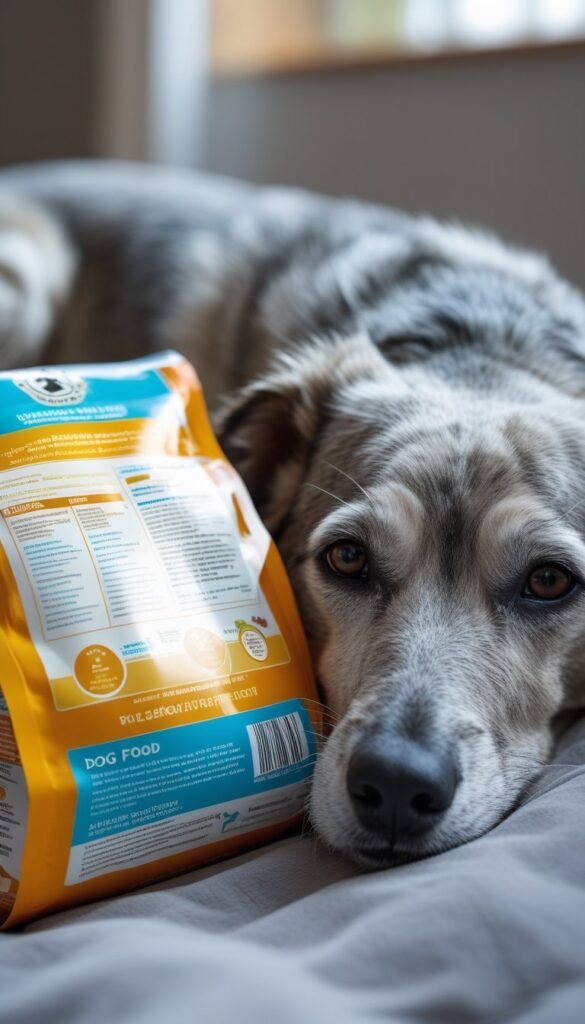
The best dog food for senior dogs with digestion problems prioritizes simplicity and digestibility. Fewer ingredients mean fewer chances for irritation, especially for dogs with sensitive stomachs. Clearly labeled protein sources are easier for the body to process than vague meat blends.
Easily digestible carbohydrates like rice or oats support energy without overloading the gut. Avoid foods with heavy fats, artificial colors, or excessive fillers, as these can slow digestion and increase inflammation in aging dogs.
Tip: Look for foods with short ingredient lists and recognizable whole-food sources.
4. Protein Choices That Are Easier on Aging Stomachs
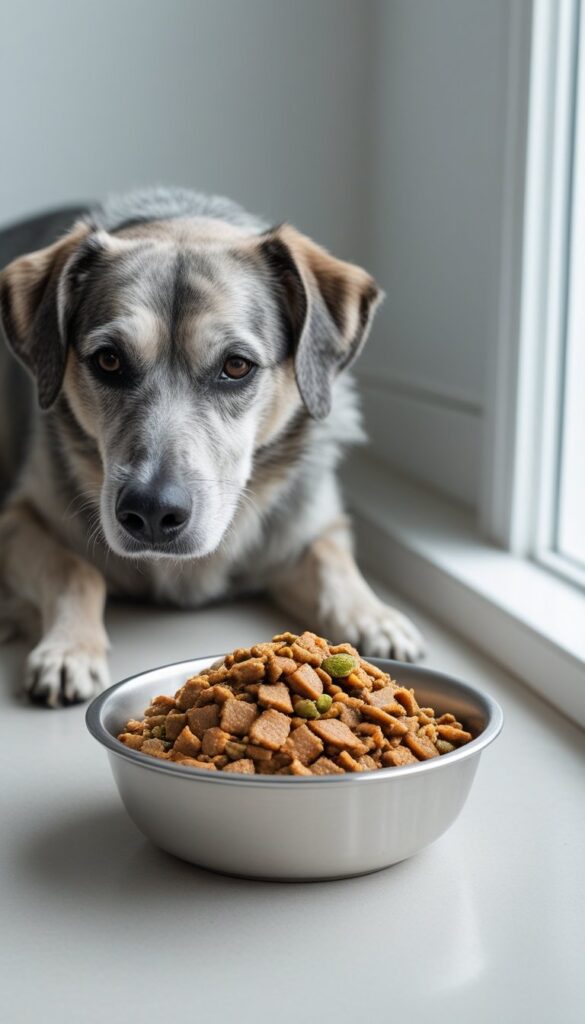
Protein is essential for maintaining muscle mass in senior dogs, but the source and quality matter greatly. Fish, turkey, and lamb are often easier to digest than heavier red meats. These proteins tend to be gentler and less inflammatory.
Hydrolyzed or gently cooked proteins are especially helpful for dogs with ongoing digestive trouble. Because the protein is partially broken down, the digestive system does not have to work as hard to absorb nutrients.
Tip: Introduce any new protein slowly over 7 to 10 days to reduce digestive stress.
5. The Role of Fiber and Gut Support
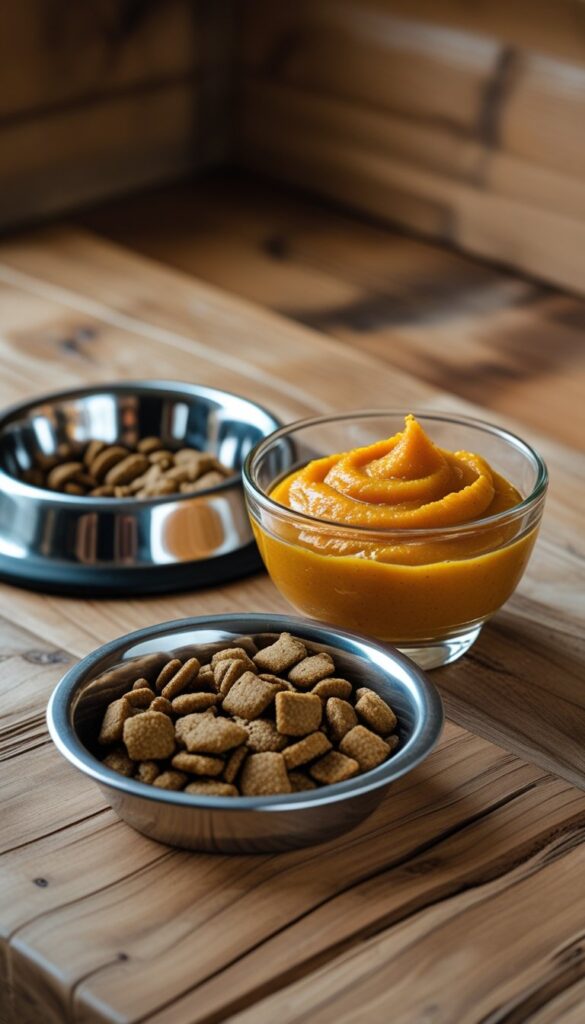
Fiber plays an important role in keeping digestion regular, but balance is critical. The right amount helps regulate bowel movements and feeds beneficial gut bacteria, which improves overall digestive health.
Ingredients like pumpkin, beet pulp, and psyllium are commonly used in senior dog food formulas. Probiotics and prebiotics further support gut balance and may reduce gas, bloating, and inconsistent stools when used correctly.
Also Read: 10 Best Puppy Food Choices for Healthy Development Every Dog Parent Should Know
Tip: Too much fiber can worsen bloating, so moderation is essential.
6. Ingredients Senior Dogs With Digestive Issues Should Avoid

Certain ingredients are more likely to trigger digestive problems in older dogs. Artificial preservatives, low-quality fillers, and excessive fat can overwhelm an aging digestive system and lead to chronic upset.
Corn, soy, and unnamed meat meals are also common culprits. Learning to read labels carefully and understanding what to avoid can prevent many digestion-related issues before they start.
Tip: Skip foods with vague ingredient names or heavy chemical additives.
7. Wet Food vs Dry Food for Digestive Comfort

Wet food is often easier for senior dogs to digest because of its higher moisture content. It can also be more appealing to dogs with reduced appetite or dental issues, which indirectly affects digestion.
Dry food can still be a good option if it is high quality and designed for seniors. Many dog parents find that mixing wet and dry food creates a balance between digestibility, hydration, and convenience.
Tip: Adding warm water to dry food can improve digestion and hydration.
8. How to Switch Foods Without Upsetting the Stomach
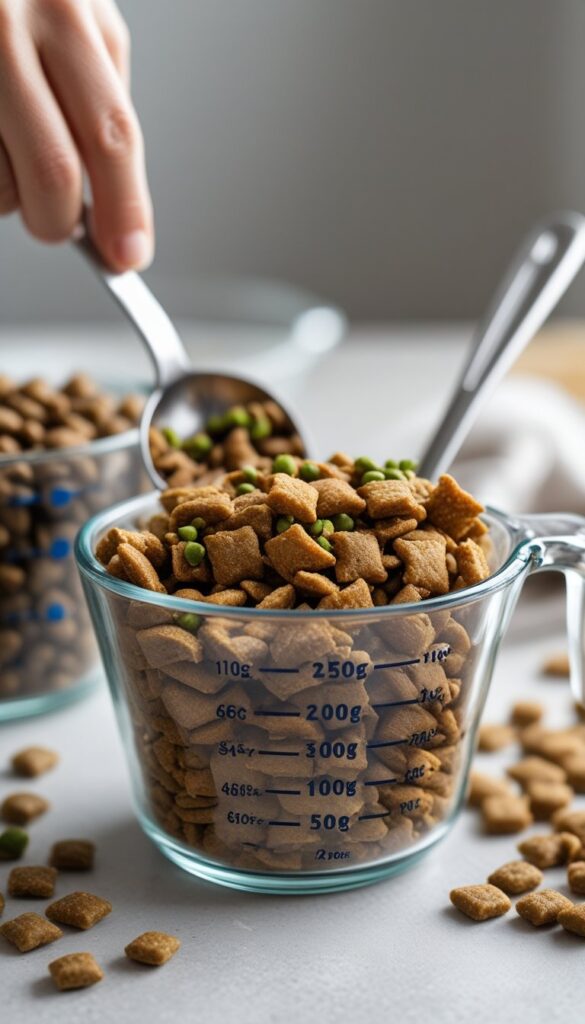
One of the most common causes of digestive upset is changing food too quickly. Senior dogs need more time to adjust because their gut bacteria adapt slowly.
Start with a small amount of the new food mixed into the old. Gradually increase the new food over 7 to 14 days, extending the transition if your dog shows sensitivity at any stage.
Tip: Slow transitions reduce the risk of diarrhea, vomiting, and food refusal.
9. When to Talk to Your Vet About Diet
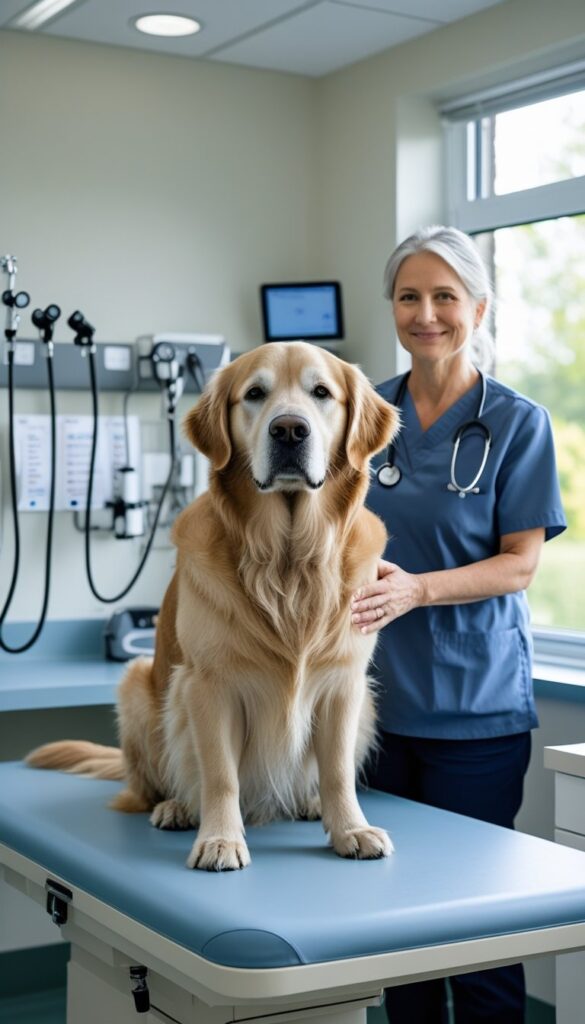
If digestive issues persist despite careful food choices, a visit to the vet is important. Chronic problems may indicate underlying conditions such as pancreatitis, food allergies, or inflammatory bowel disease.
Veterinarians may recommend prescription diets specifically formulated for digestive support. These diets are carefully balanced and can make a significant difference in senior dogs with ongoing issues.
Tip: Bring a written list of all foods, treats, and supplements your dog consumes.
10. Conclusion

Choosing the best dog food for senior dogs with digestion problems requires patience, observation, and a willingness to adjust. Small changes in ingredients, texture, and feeding routines can dramatically improve comfort and overall well-being.
With the right food and consistent care, many senior dogs regain better digestion and enjoy their meals again. Trust your instincts as a dog parent and remember that thoughtful nutrition plays a powerful role in healthy aging.
Tip: Consistency in food choice and feeding schedule supports long-term digestive stability.