10 Best High-Protein Dog Foods for Muscle Growth Every Pet Owner Should Know
If you’re a proud dog parent, you already know how important nutrition is for keeping your furry friend active, strong, and healthy. When it comes to building strength and maintaining lean muscles, the best high-protein dog food for muscle growth can make a world of difference. A diet packed with high-quality protein helps repair tissues, supports endurance, and fuels your dog’s playful energy.
However, not all dog foods are created equal. Some promise “premium protein” but contain fillers and low-grade ingredients. In this article, we’ll explore the top foods, essential nutrients, and feeding habits that help your dog grow healthy muscles naturally.
1. Why Protein Matters for Your Dog’s Muscles
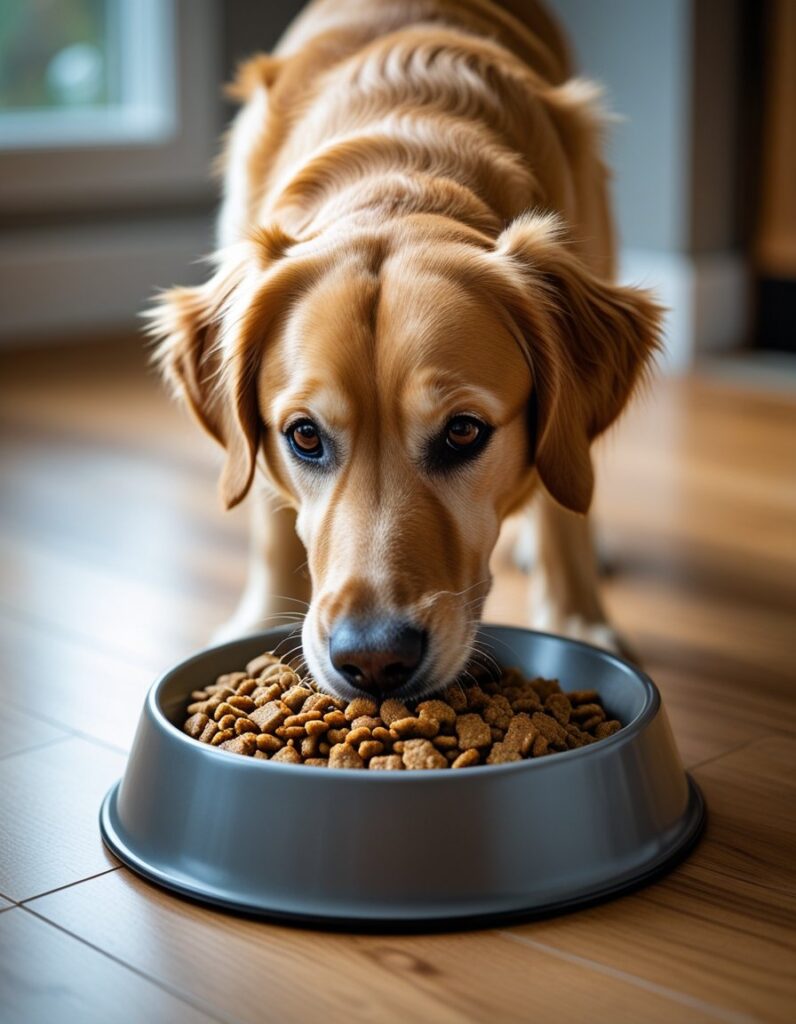
Protein is the foundation of your dog’s body — it supports every cell, tissue, and organ. Dogs need it to repair muscles after playtime, build new cells, and maintain healthy skin and fur. Without enough protein, dogs can lose muscle tone, strength, and even energy.
High-quality protein sources such as chicken, beef, fish, and lamb provide essential amino acids that dogs can’t produce on their own. These amino acids play a big role in growth, recovery, and overall health.
Tip: Look for dog foods that list real meat as the first ingredient, not meat by-products or corn meal.
2. Signs Your Dog Needs More Protein
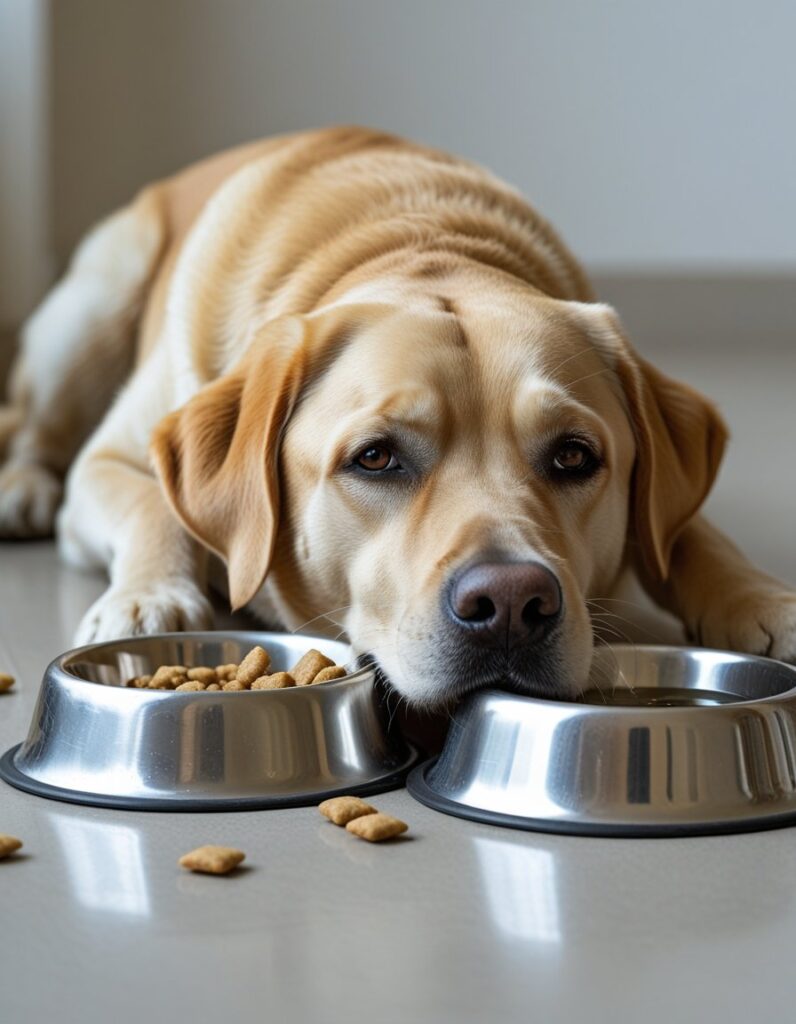
Dogs that don’t get enough protein may show visible changes. You might notice weak muscles, dull fur, or reduced energy levels. Some may even lose interest in playtime or seem tired after mild exercise.
If your dog is active, a puppy, or a working breed, it needs extra protein to keep up with its daily activity. Adjusting your dog’s diet can make a noticeable difference within a few weeks.
Tip: If you notice muscle loss or fatigue, visit your vet for a nutritional checkup before switching foods.
3. Choosing the Best High-Protein Dog Food for Muscle Growth
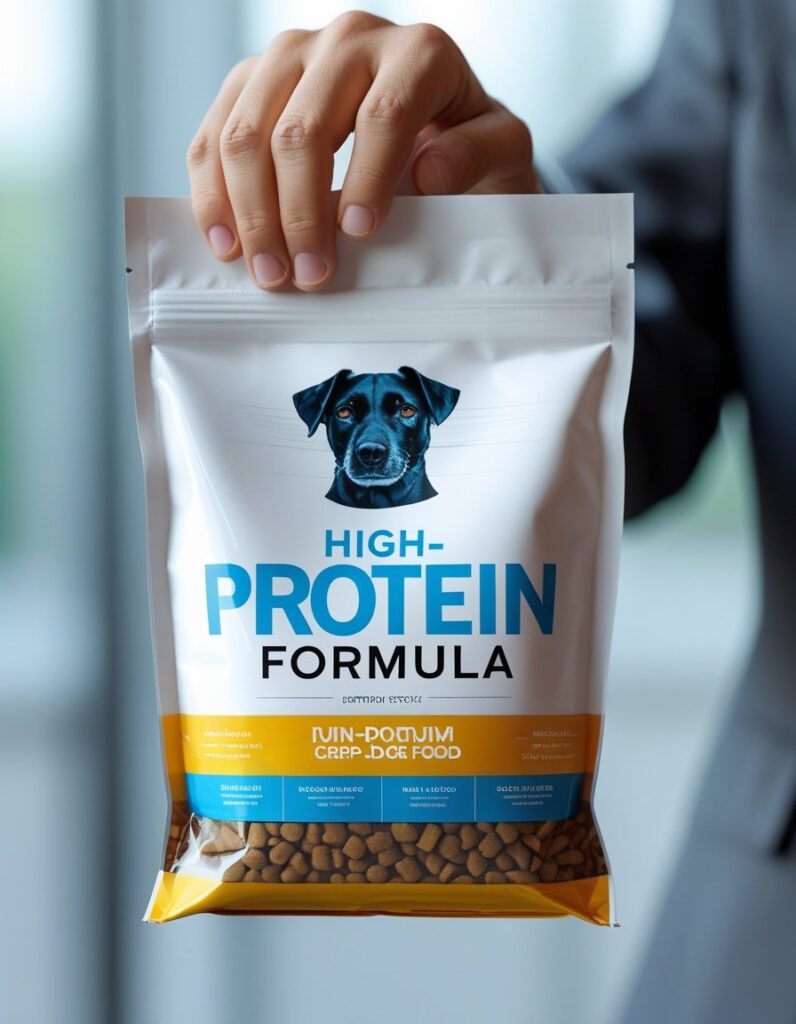
When searching for the best high-protein dog food for muscle growth, check the ingredients list carefully. The first ingredient should always be a real animal protein source like chicken, beef, or salmon. Avoid brands that rely on plant-based proteins as the main source.
Also, check the guaranteed analysis on the packaging. Good high-protein foods usually contain 25–35% crude protein. But remember, quality matters more than quantity — it’s about digestible, balanced protein sources.
Tip: Choose trusted brands that use transparent ingredient lists and mention where the protein comes from.
4. Animal vs. Plant Protein: What’s Better for Dogs?
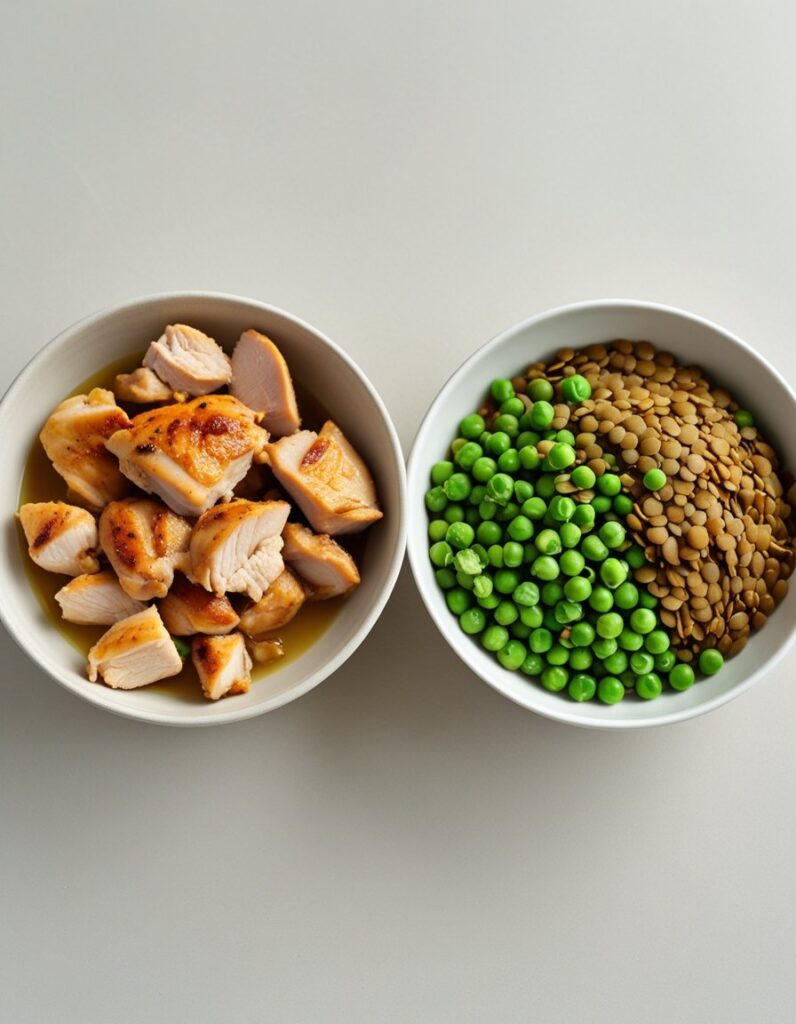
Animal-based proteins contain all essential amino acids dogs need, making them a complete source of nutrition. Chicken, fish, and beef provide nutrients that help build lean muscle and support recovery.
Plant proteins like peas or lentils can be useful supplements but shouldn’t be the primary protein source. Dogs digest animal proteins more efficiently, so they get more benefit from smaller portions.
Tip: Combine animal and plant proteins for a balanced diet, but keep animal protein as the main ingredient.
5. The Role of Fats and Carbs in Muscle Growth

Protein is crucial, but fats and carbohydrates play supporting roles. Healthy fats, such as omega-3 and omega-6 fatty acids, keep your dog’s coat shiny and aid in nutrient absorption. Carbs provide quick energy that supports muscle activity.
Avoid foods with excessive filler carbs like corn and soy. Instead, choose whole grains, sweet potatoes, or brown rice. These provide lasting energy without causing weight gain.
Tip: Pair high-protein dog food with healthy fats for better muscle development and overall vitality.
6. Top Recommended High-Protein Dog Foods
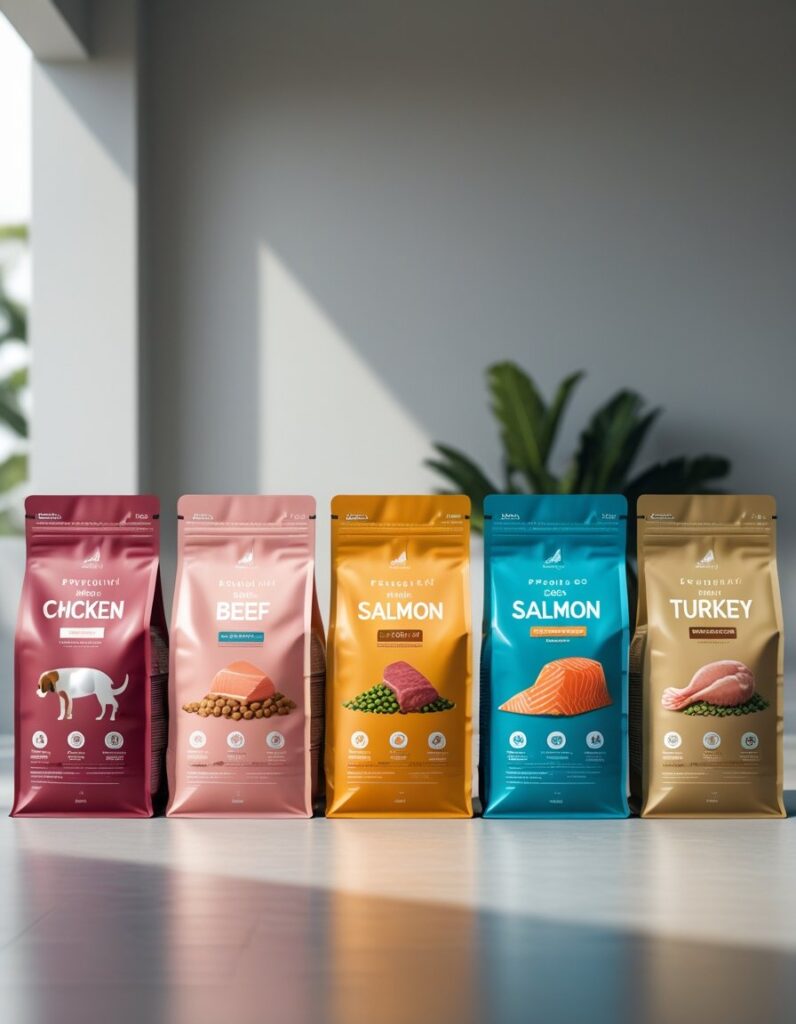
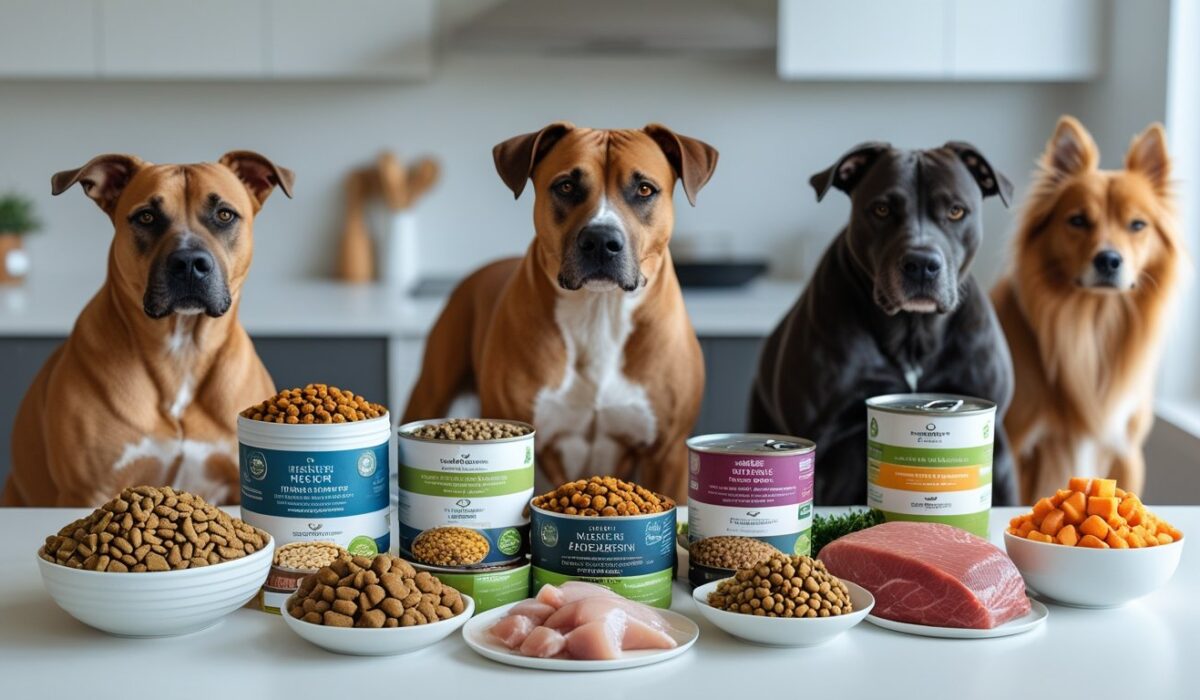
Several brands consistently get great reviews from pet owners and vets. Some popular choices include:
- Blue Buffalo Wilderness (high in chicken and fish protein)
- Orijen Original (made with fresh, whole meats)
- Taste of the Wild (grain-free and packed with natural protein)
- Wellness CORE (balanced for active and working dogs)
Each of these foods offers complete nutrition for dogs that need muscle support and sustained energy.
Tip: Always introduce new food gradually to avoid stomach upset and ensure smooth transition.
7. Supplements That Support Muscle Health

While quality food is the main source of nutrition, certain supplements can help boost results. Products with glucosamine, chondroitin, and omega oils support muscle repair and joint flexibility.
Creatine and amino acid supplements can also benefit highly active dogs or working breeds. But always consult a vet before adding anything to your dog’s diet.
Tip: Supplements are helpful only when paired with balanced, high-protein meals.
8. Exercise and Diet: The Perfect Duo

Feeding the right food is only half of the equation. Regular exercise helps your dog convert protein into strong, lean muscles. Activities like fetch, swimming, or hiking are great ways to keep your dog active and engaged.
A good mix of diet and exercise keeps your pet’s metabolism strong. This helps them build endurance, maintain healthy weight, and prevent obesity-related problems.
Tip: Match your dog’s protein intake to its activity level for the best muscle growth results.
.
9. How to Switch to High-Protein Dog Food Safely
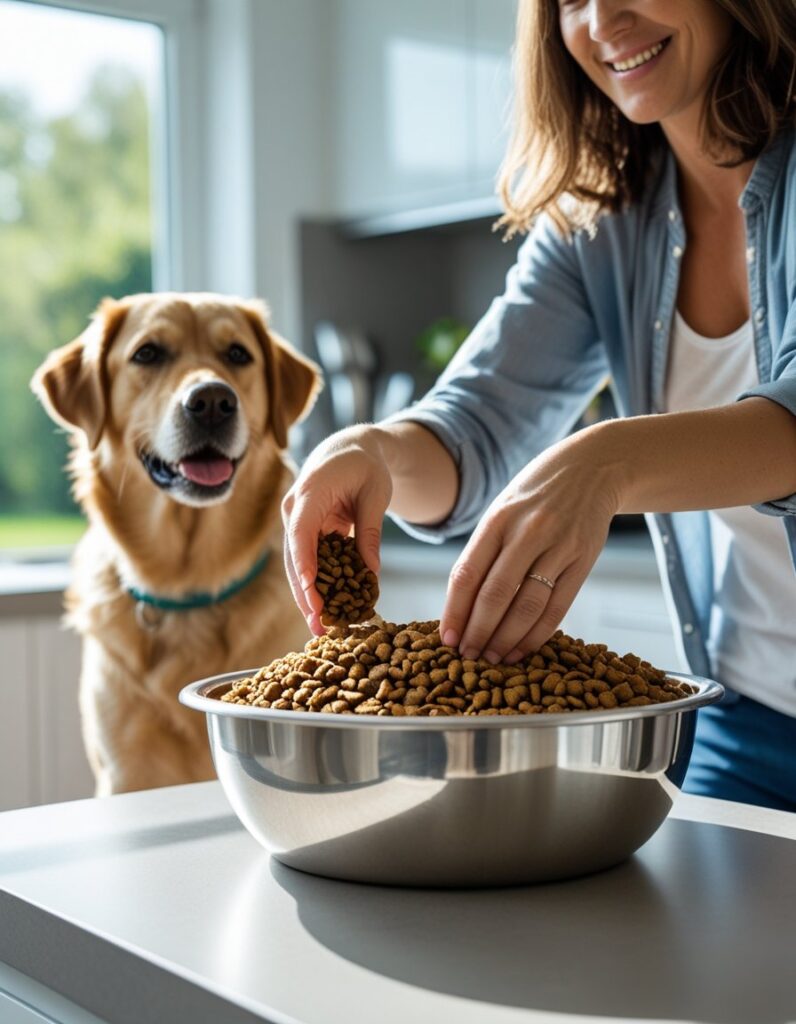
When changing your dog’s diet, do it slowly over a week. Mix small portions of the new food with the old one, increasing the amount daily. Sudden changes can cause stomach upset or loose stools.
Keep an eye on your dog’s energy, stool, and coat during the transition. Gradual switching helps the digestive system adapt without issues.
Tip: Introduce new food gradually — aim for a full switch in about 7–10 days.
Also Read: https://thepetbites.com/best-dog-food-for-small-breeds/
10. Conclusion

Choosing the best high-protein dog food for muscle growth gives your dog the foundation for a long, strong, and happy life. The right diet fuels energy, supports recovery, and keeps muscles lean and healthy. Combine this with regular exercise, hydration, and vet checkups, and your dog will stay in top shape for years to come.
Remember, good nutrition isn’t about trends or brand names — it’s about quality ingredients and love for your pet.