
Cat Food for Sensitive Stomach Without Chicken That Actually Helps Cats Feel Better
If your cat throws up often, has loose stools, or seems uncomfortable after eating, you are not alone. Many cats develop sensitive stomachs over time, and chicken is one of the most common triggers. What makes it harder is that chicken is in almost everything, even foods labeled as gentle.
Finding the right cat food for sensitive stomach without chicken can feel frustrating and overwhelming. This guide is written by a fellow cat parent who understands how stressful it is to watch your cat feel unwell. Let’s walk through what really helps and how to choose food that supports calm, healthy digestion.
1. Why Chicken Triggers Digestive Issues in Cats
Chicken is widely used in cat food because it is affordable and appealing, but many cats develop intolerance to it. Over time, repeated exposure can lead to inflammation in the gut, causing vomiting, diarrhea, or excessive hairballs.
Cats with sensitive stomachs often do better when chicken is completely removed from their diet. Even small amounts, such as chicken fat or chicken meal, can still cause problems in sensitive cats.
Tip: Always check ingredient lists carefully, including fine print and secondary ingredients.
2. Signs Your Cat Needs Chicken-Free Food
Digestive sensitivity is not always obvious. Frequent vomiting, soft stools, strong stool odor, or excessive licking after meals can all point to food intolerance.
Some cats also show non-digestive signs, such as itchy skin, excessive shedding, or ear irritation. These symptoms are often connected to food sensitivity rather than environmental allergies.
Tip: If symptoms improve after removing chicken, you have likely found the trigger.
3. What Makes Cat Food Easier to Digest
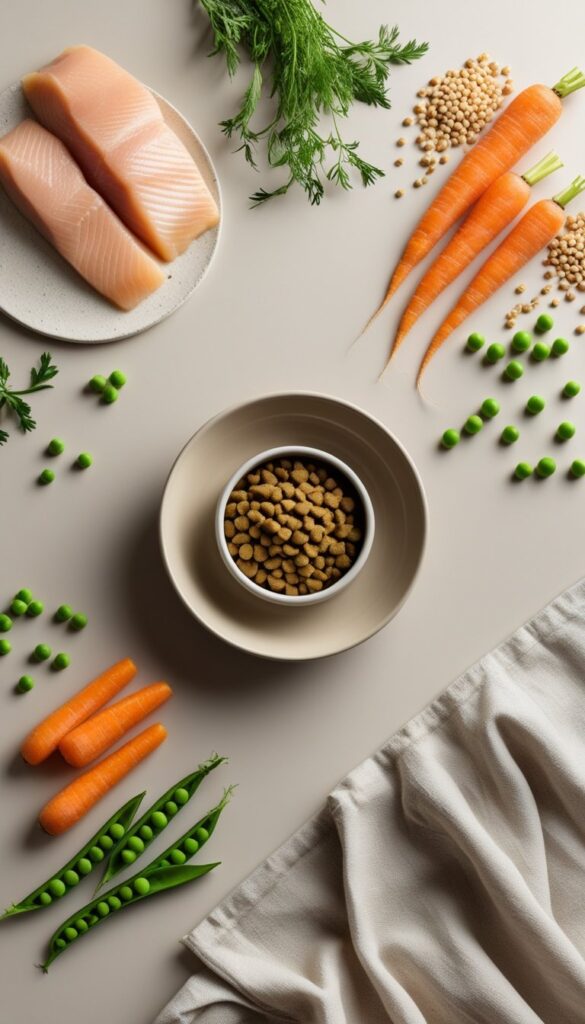
The best cat food for sensitive stomach without chicken uses simple, limited ingredients. Fewer proteins and fillers mean less work for your cat’s digestive system.
High-quality animal protein, gentle carbohydrates, and natural fiber sources support smoother digestion. Avoid artificial colors, flavors, and heavy preservatives, which often irritate sensitive stomachs.
Tip: Limited-ingredient formulas are usually the safest starting point.
4. Best Protein Alternatives to Chicken
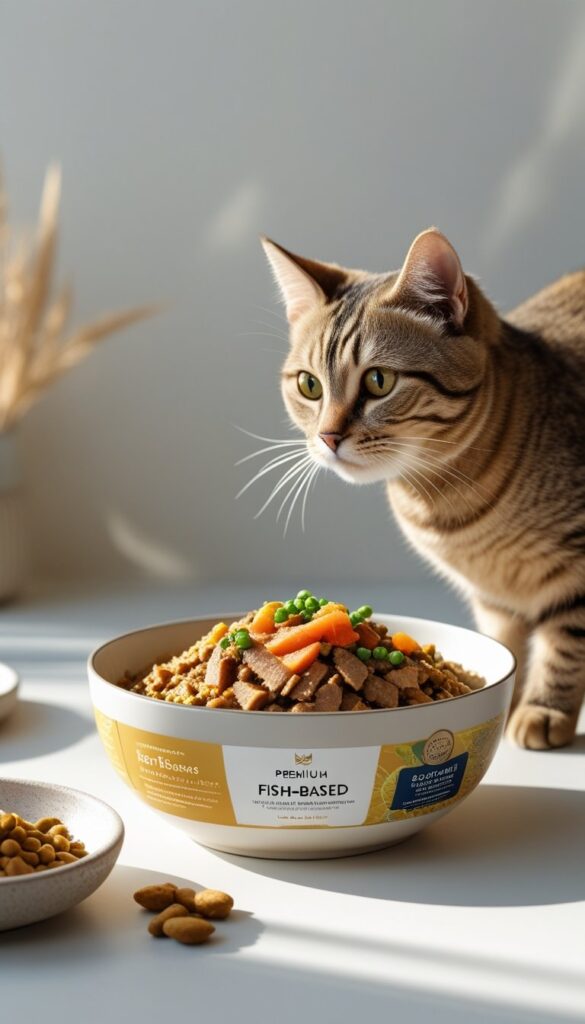
Cats still need animal protein, but chicken is not the only option. Turkey-free fish, duck, rabbit, venison, and lamb are often better tolerated by sensitive cats.
Novel proteins are especially helpful because your cat’s immune system has not reacted to them before. This reduces the chance of digestive upset.
Tip: Stick to one protein source at a time when testing tolerance.
5. The Role of Fiber and Gut Balance
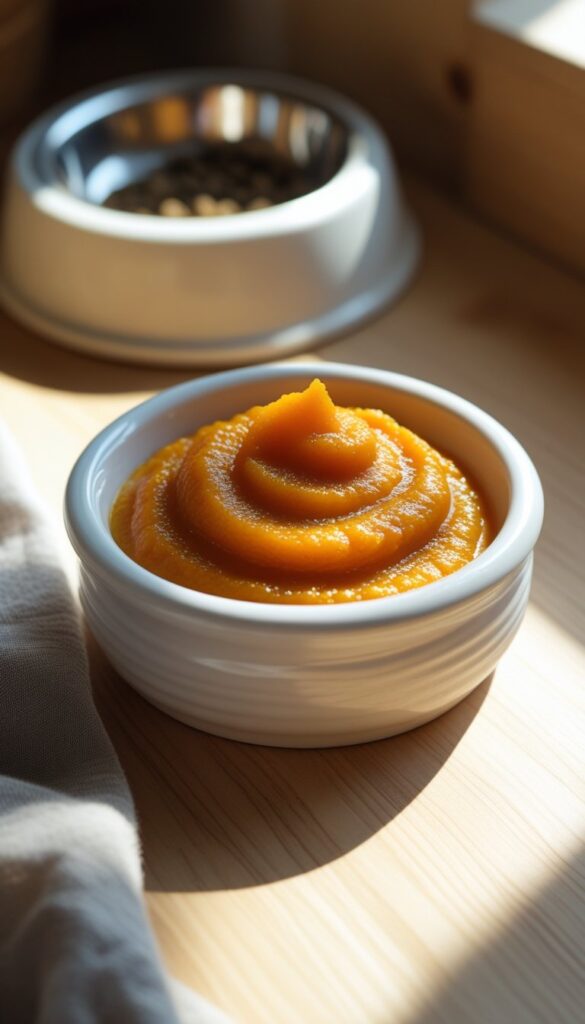
Fiber helps regulate digestion and stool quality, but balance is important. Too much fiber can cause bloating, while too little may lead to diarrhea.
Ingredients like pumpkin, chicory root, or psyllium support gut health gently. Probiotics also help maintain healthy gut bacteria, especially in cats prone to vomiting.
Tip: Look for food with both prebiotics and probiotics for best results.
6. Ingredients to Avoid for Sensitive Cats
Chicken is not the only ingredient that can cause problems. Artificial preservatives, unnamed meat meals, and excessive fats often worsen digestion.
Corn, soy, and wheat can also irritate sensitive cats. Reading labels carefully helps you avoid hidden triggers that slow healing.
Tip: Avoid foods with vague labels like “meat by-products.”
7. Wet vs Dry Food for Sensitive Stomachs
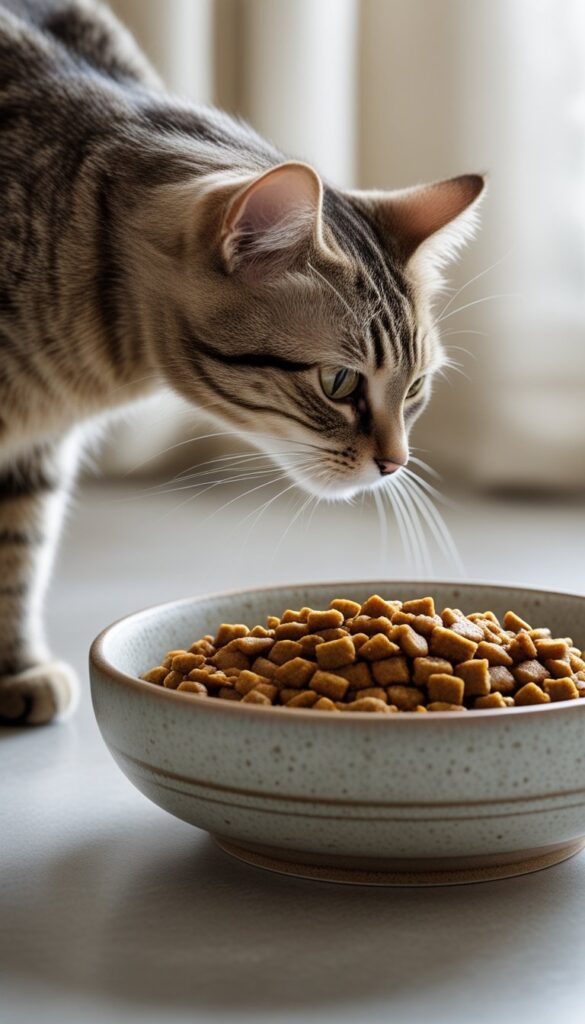
Wet food is often easier to digest because of its moisture content. It supports hydration and reduces strain on the digestive system, especially in cats prone to vomiting.
Dry food can still work if it is high quality and chicken-free. Many cat parents find success feeding mostly wet food with a small amount of dry for texture.
Tip: Increasing moisture intake often reduces vomiting episodes.
8. How to Switch to Chicken-Free Food Safely
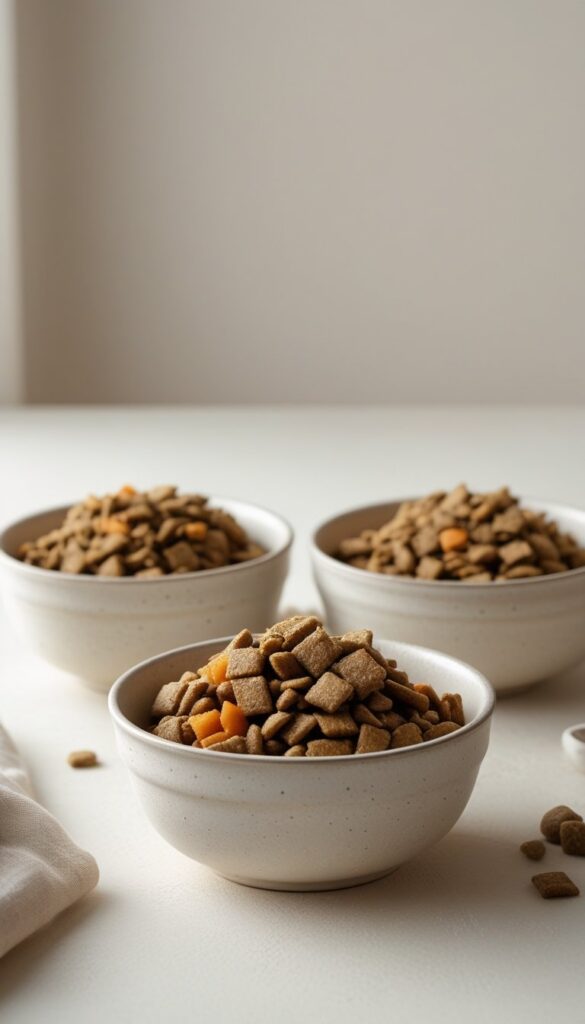
Switching food too quickly can cause digestive upset, even if the new food is better. Cats need slow transitions to allow gut bacteria to adjust.
Mix a small amount of the new food with the old and increase gradually over 7 to 14 days. Go slower if your cat has a history of vomiting.
Tip: A slow transition is more important than the food itself.
9. When to See a Vet About Digestive Issues
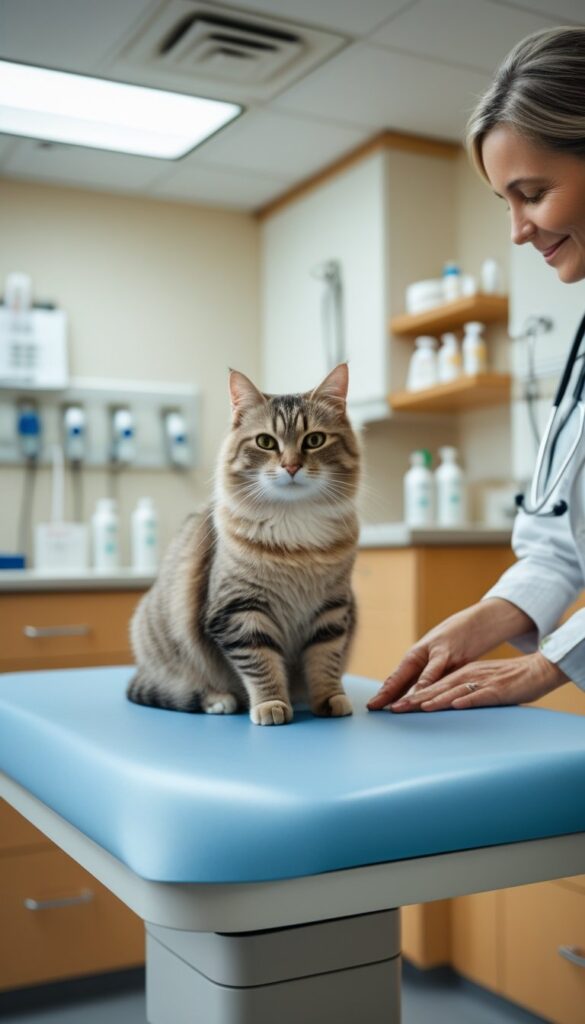
If vomiting or diarrhea continues despite food changes, it is time to consult your vet. Chronic digestive problems may signal conditions like IBD or pancreatitis.
Your vet may recommend prescription diets or diagnostic testing. Food changes work best when paired with proper medical guidance.
Tip: Keep a food and symptom log to share with your vet.
10. Conclusion
Choosing the right cat food for sensitive stomach without chicken can completely change your cat’s quality of life. Many cats become calmer, more energetic, and happier once the trigger ingredient is removed.
With patience, label-reading, and gentle transitions, you can help your cat feel comfortable again. Trust your observations and remember that small dietary changes can lead to big improvements.
Tip: Consistency in diet is key to long-term digestive health.