10 Harmful Dog Food Ingredients to Avoid for a Healthier, Happier Pup
Choosing the right food for your dog can feel overwhelming. There are so many brands, flavors, and promises on every bag. But what really matters is what’s inside the food — and some ingredients can do more harm than good. Knowing the dog food ingredients to avoid helps you protect your pup from long-term health issues and keep them thriving.
In this guide, we’ll uncover ten common yet harmful ingredients that sneak into many dog foods. You’ll learn why they’re bad, how to spot them on labels, and what healthier alternatives to look for instead.
1. Artificial Preservatives (BHA, BHT, Ethoxyquin)
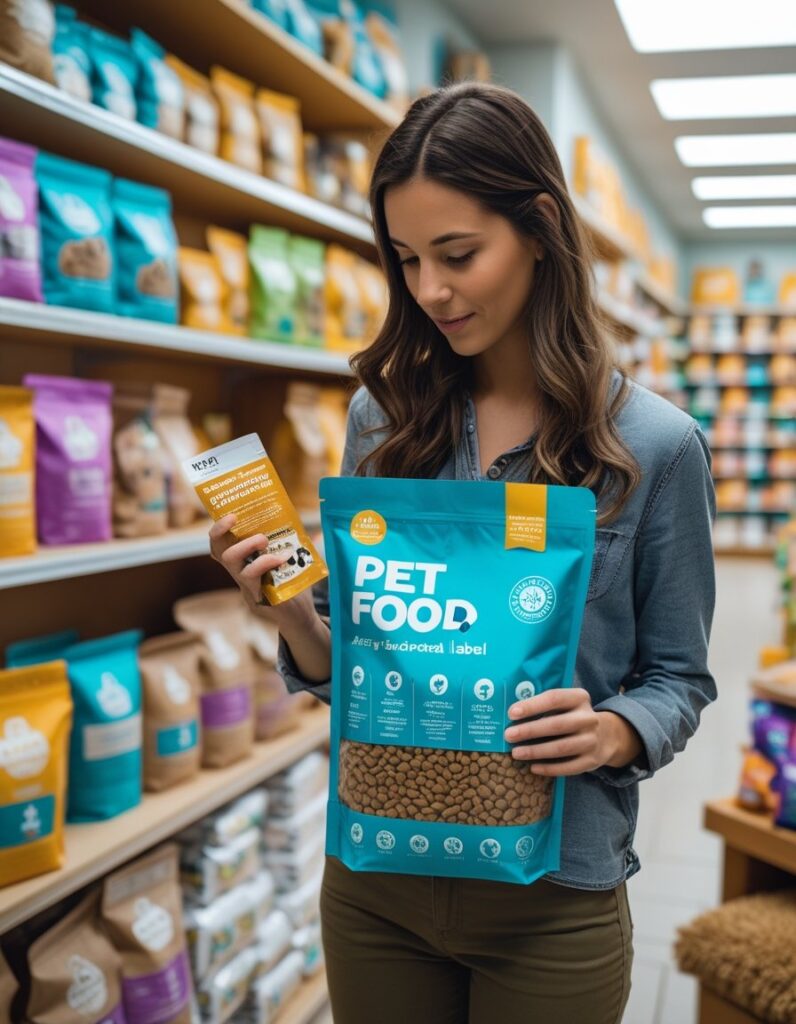
These chemicals are used to extend shelf life, but they’ve been linked to allergies and even cancer in pets. BHA and BHT are synthetic antioxidants, while ethoxyquin is sometimes used as a preservative in fish meals. Dogs that eat these over time may suffer from skin problems or digestive issues.
Natural preservatives like vitamin E (tocopherol) and vitamin C (ascorbic acid) are much safer. Always check the ingredient label — if you spot one of these chemical names, skip that brand and choose a cleaner option.
Tip: Choose dog food that lists “naturally preserved with mixed tocopherols.”
2. Artificial Colors and Dyes
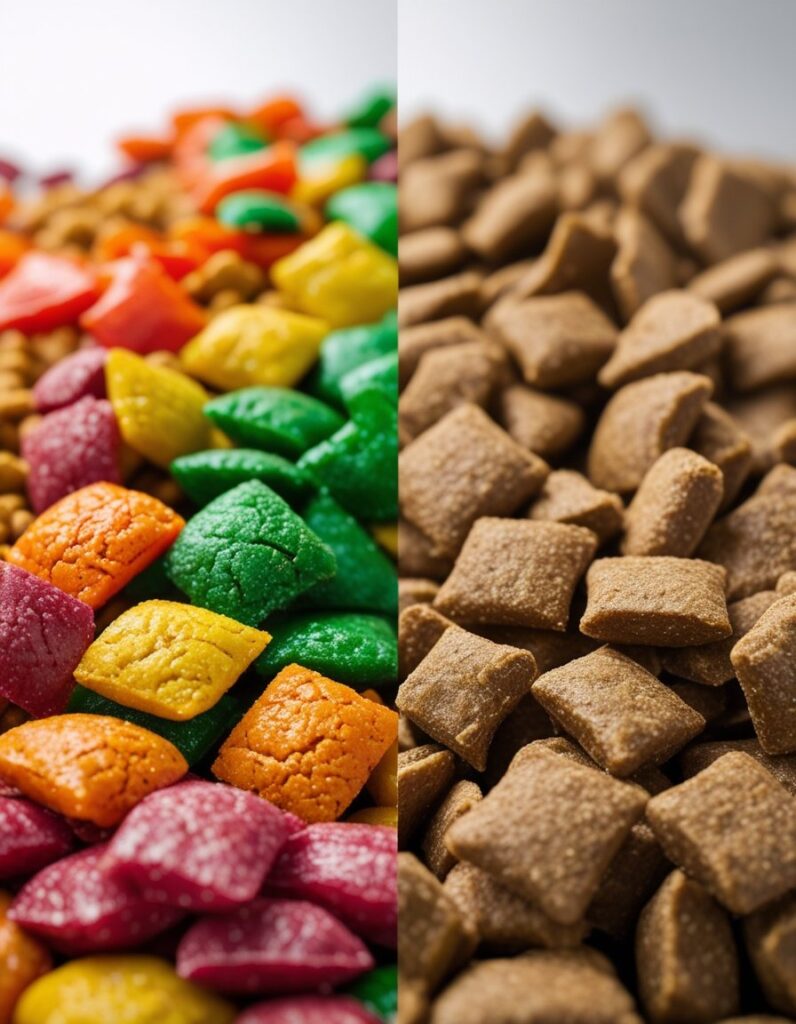
Colors like Red 40, Yellow 5, and Blue 2 make food look appealing to humans, not dogs. These synthetic dyes can cause hyperactivity, allergies, and other health issues. Dogs don’t care what color their food is — they care about the taste and smell.
Natural dog foods don’t use artificial coloring because they rely on real ingredients for flavor and appearance. Brightly colored kibble is a red flag that something unnatural is inside.
Tip: Avoid foods that look “too colorful” — real dog food should look natural.
3. Meat By-Products
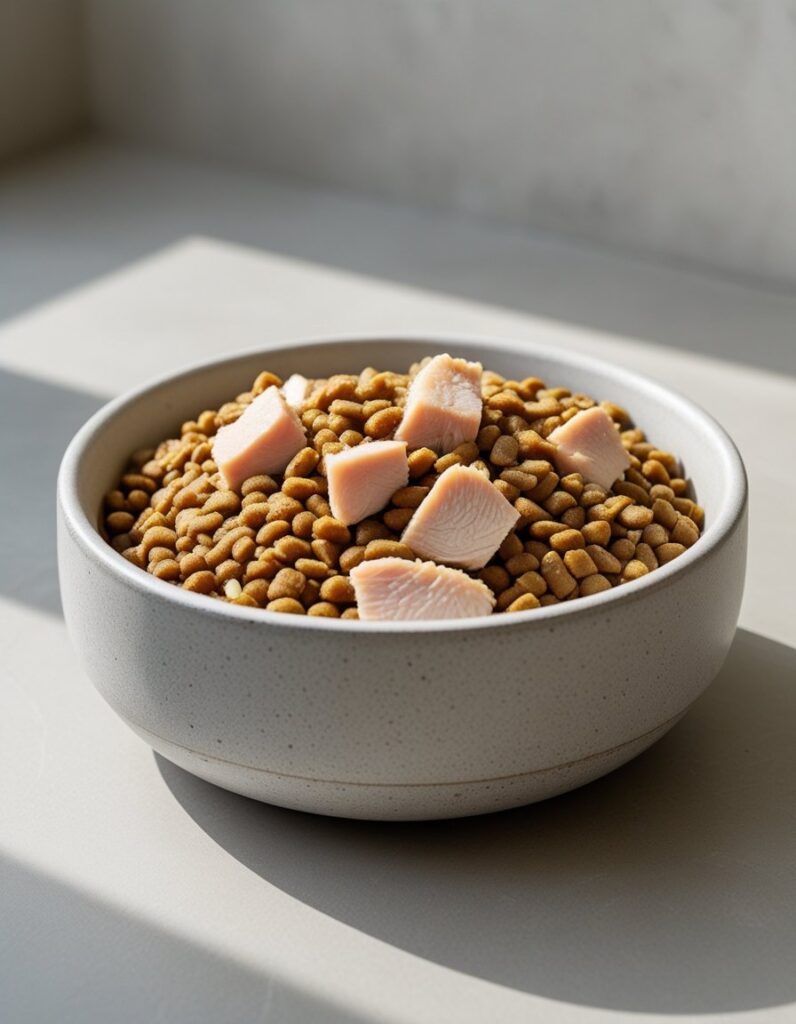
“Meat by-products” may sound okay, but it’s often a mix of low-quality animal parts like organs, bones, or fat. While some organs can be nutritious, by-products are usually leftovers that don’t meet human-grade standards. They can come from unknown animal sources too.
High-quality dog food should list specific meats like “chicken,” “beef,” or “salmon” as the first ingredient. Generic “meat by-product” means you don’t really know what’s inside.
Tip: Always choose dog food that names real meat sources — no vague “by-products.”
4. Corn, Wheat, and Soy Fillers
These cheap fillers add bulk but little nutrition. Many dogs are sensitive or allergic to grains like corn and wheat, leading to itchy skin, gas, or upset stomachs. Soy is another filler that’s often genetically modified and can disrupt hormones.
Instead, look for foods made with brown rice, oatmeal, or sweet potatoes — ingredients that provide healthy carbohydrates and fiber without the side effects.
Tip: If your dog is itchy or bloated, try switching to grain-free or limited-ingredient food.
5. Rendered Fat

Rendered fat is made from heating animal parts until the fat melts. It’s used to add flavor, but it can easily spoil and become rancid. Worse, it can attract bacteria, mold, and toxins. Some brands use it to coat kibble so dogs find it more palatable.
Fresh, high-quality fat sources like salmon oil, chicken fat, or flaxseed oil are better options. They provide essential fatty acids that keep your dog’s skin shiny and coat soft.
Tip: Look for named fat sources like “chicken fat” instead of “animal fat.”
6. Propylene Glycol
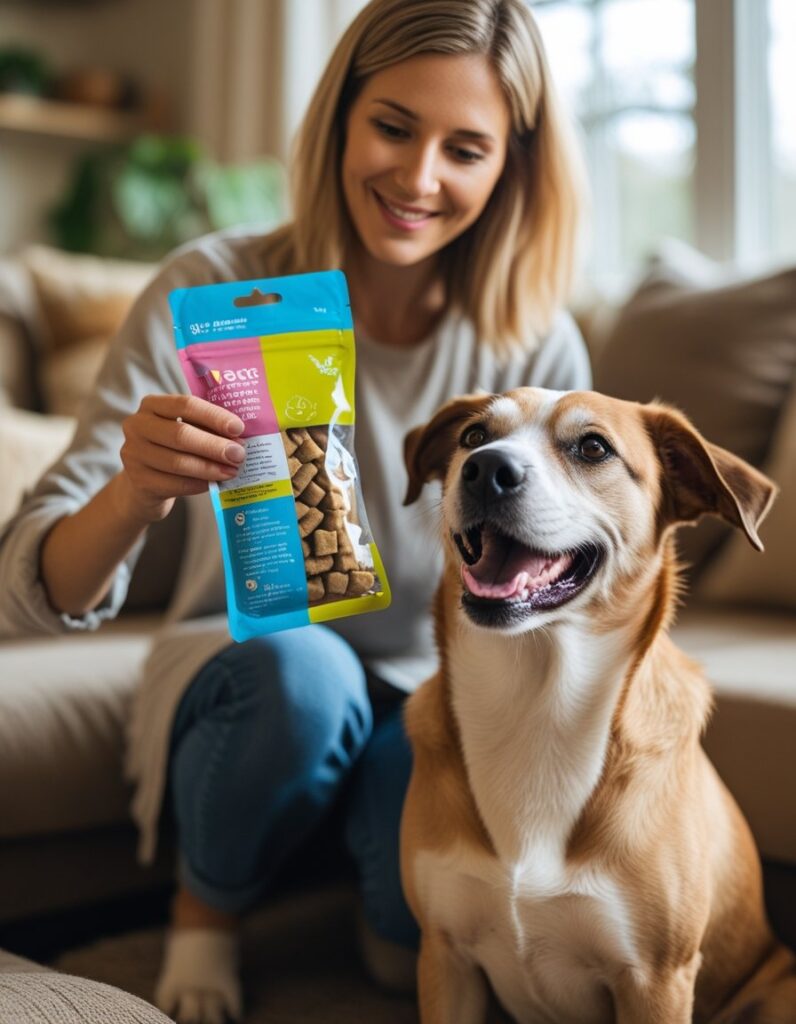
This ingredient is used to maintain moisture in semi-moist dog food. While it’s safe in small amounts for humans, it’s not ideal for dogs. It can affect their red blood cells and cause digestive upset. It’s chemically similar to antifreeze — not something you want in your dog’s diet.
Always check labels for this hidden additive, especially in soft or chewy dog treats. Natural moisture from ingredients like broth or oils is a much safer option.
Tip: Avoid semi-moist foods and treats with chemical humectants like propylene glycol.
7. Generic “Animal Digest”
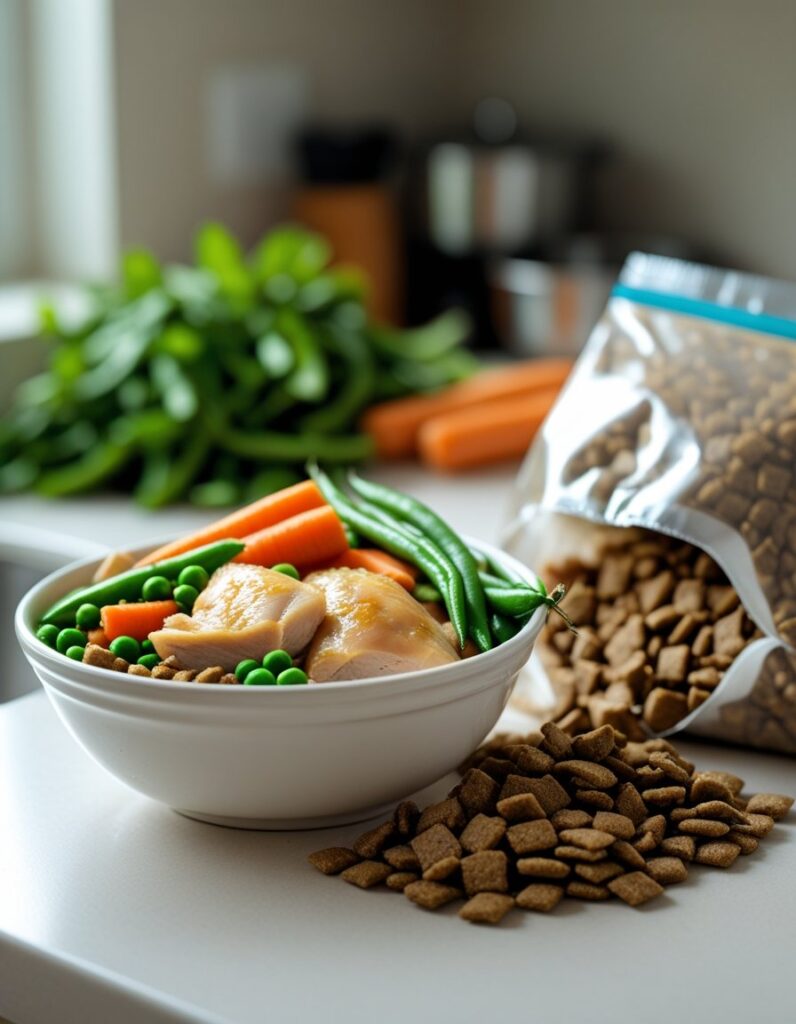
“Animal digest” sounds scientific but often refers to a cooked-down mixture of unspecified animal parts. It’s used to make kibble taste better but adds no nutritional value. Since the source is usually unknown, it could include low-quality or contaminated materials.
High-quality brands rely on natural flavor from real meat and broth instead of processed additives like animal digest.
Tip: Look for “natural chicken flavor” or “beef broth” instead of “animal digest.”
8. Added Sugars and Sweeteners
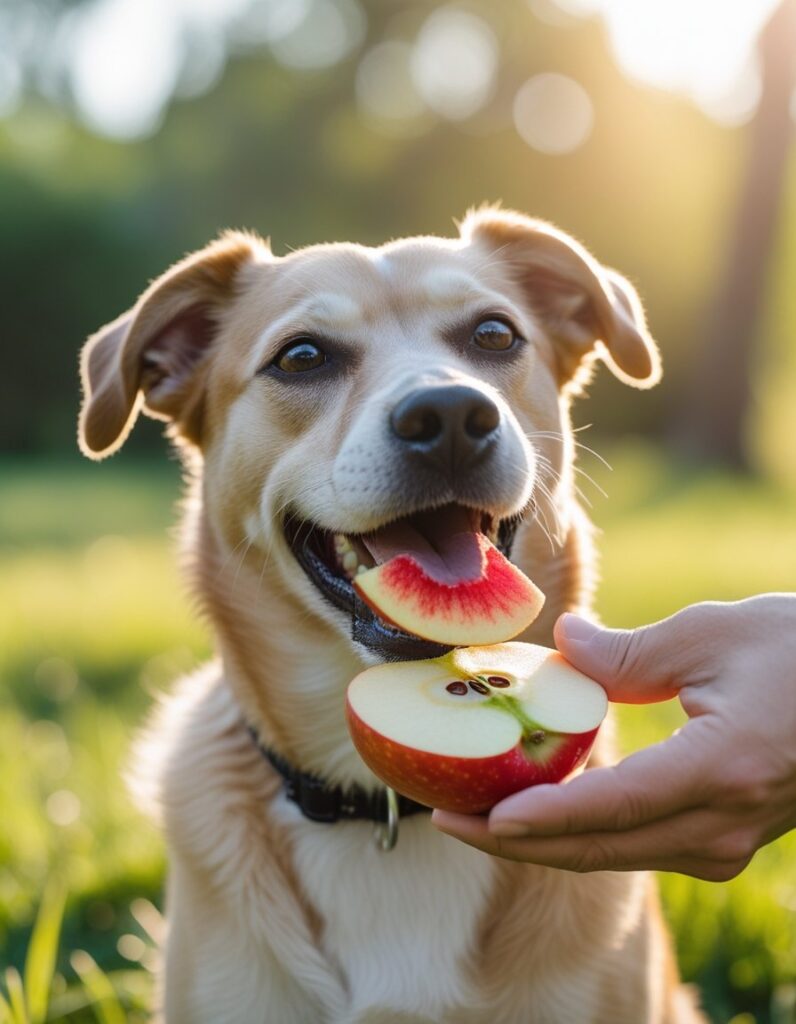
Sugar, corn syrup, and molasses might make food tastier, but they’re terrible for dogs. Over time, these ingredients can lead to obesity, diabetes, and dental problems. Dogs don’t need sugar — they naturally crave protein, not sweets.
You’ll often find sweeteners in low-quality treats or flavored kibbles. Always check the first few ingredients to ensure sugar isn’t sneaking in under a different name.
Tip: Reward your pup with fresh fruits like apple slices instead of sugary treats.
9. MSG (Monosodium Glutamate)
MSG is sometimes used to enhance flavor in dog food, especially low-meat formulas. While it’s common in human food, it can trigger allergic reactions or headaches in sensitive pets. Some companies hide it under other names like “hydrolyzed protein” or “natural flavoring.”
Choosing dog foods made with whole ingredients means you’ll get natural taste and nutrition without artificial flavor enhancers.
Tip: If you see “natural flavor” without a source, contact the brand for clarification.
10. Excessive Salt
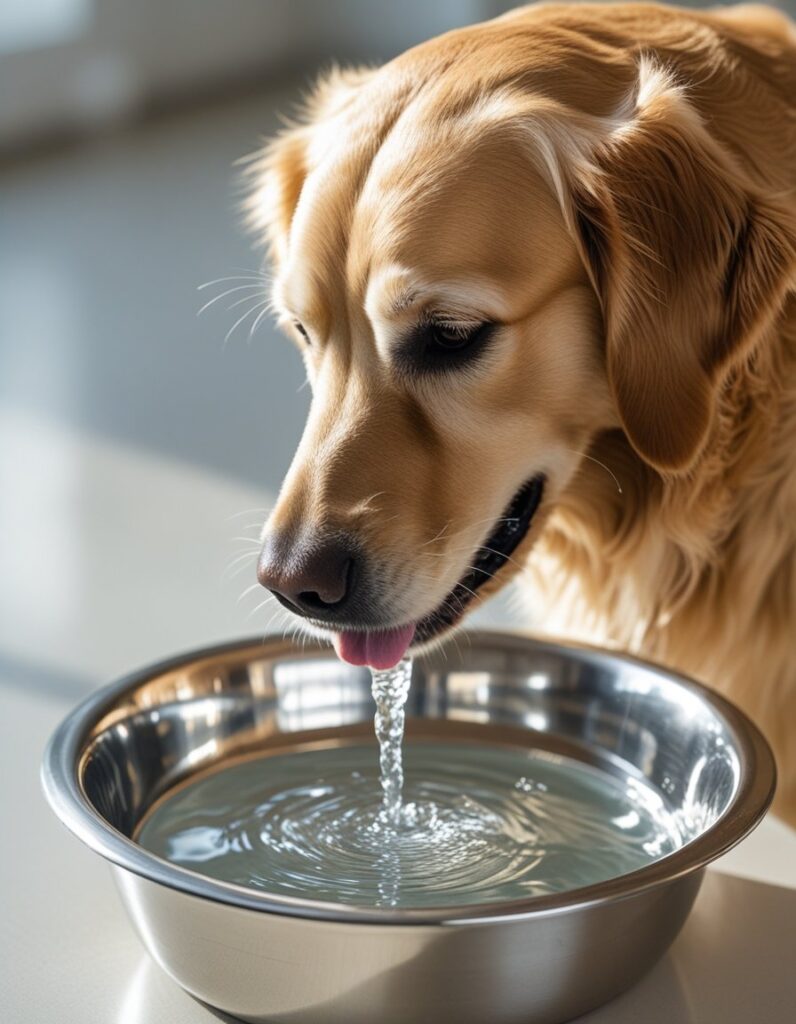
Dogs need some sodium, but too much can lead to dehydration, high blood pressure, and heart problems. Many low-quality foods use salt to boost flavor instead of relying on real ingredients.
The best dog foods balance salt naturally through meat and vegetables. Always ensure your pup has plenty of fresh water, especially if their food contains any added salt.
Tip: Provide your dog with fresh water at all times, especially during hot weather.
Also Read: https://thepetbites.com/homemade-dog-food-for-allergies/
Conclusion
Reading ingredient labels can be confusing, but it’s the best way to protect your dog’s health. Avoiding harmful additives, fillers, and chemicals ensures your furry friend gets real nutrition from quality sources. When in doubt, choose foods with simple, natural ingredients you recognize.
A healthy diet means more than just full bellies — it means shiny coats, better digestion, and longer, happier lives for our beloved pets.