10 Key Differences in Fresh Dog Food vs Kibble Comparison Every Pet Parent Should Know
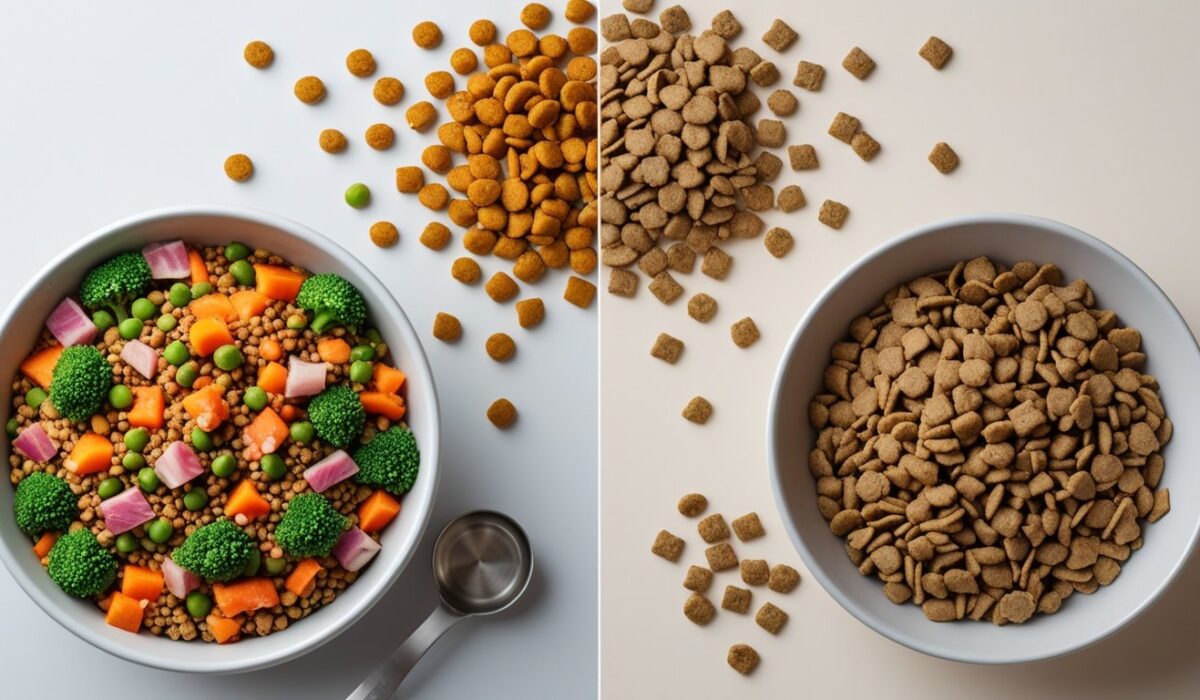
Choosing the right food for your furry friend can be overwhelming. With so many brands claiming to be “the best,” it’s tough to decide what’s truly healthy. One of the biggest debates among dog parents today is fresh dog food vs kibble comparison. Both have their pros and cons, but understanding what sets them apart can help you make a smarter, more loving choice for your pup’s long-term health.
In this guide, we’ll break down everything you need to know — from nutrition and freshness to cost and convenience — so you can feed your dog with confidence.
1. Nutritional Quality and Ingredients
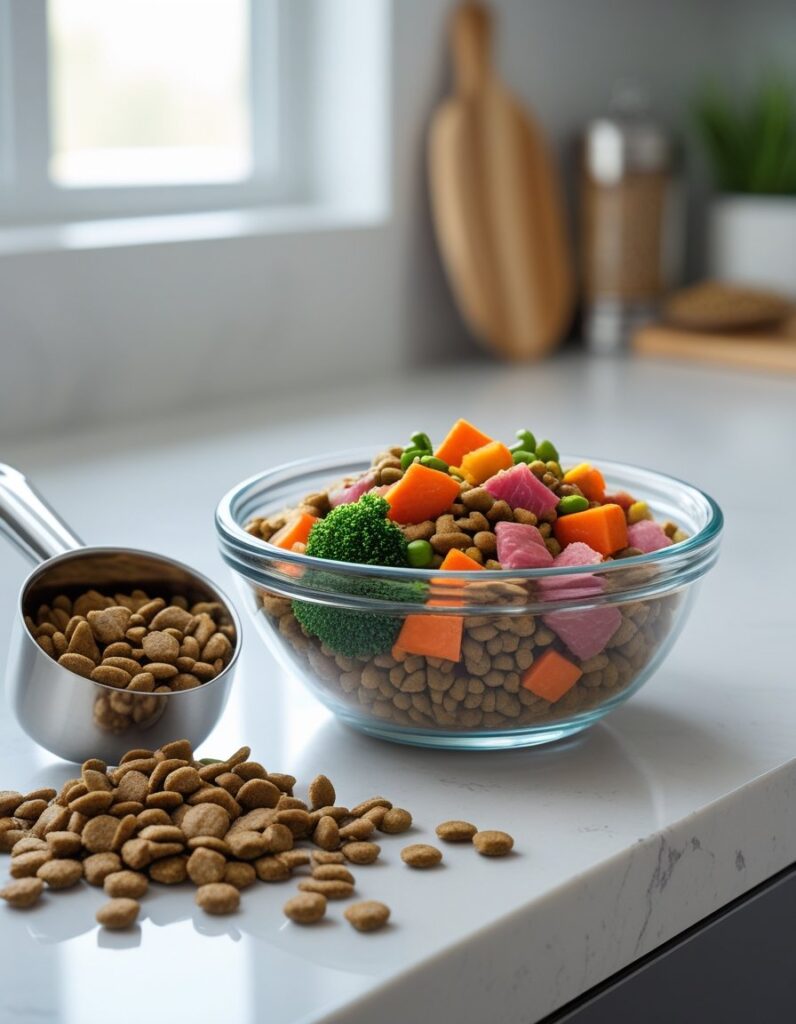
Fresh dog food is made with real meat, veggies, and grains that are lightly cooked to keep nutrients intact. It’s closer to what dogs would naturally eat, offering balanced nutrition without artificial preservatives. These meals often use human-grade ingredients, which means higher quality and better safety standards.
Kibble, on the other hand, is made through high-heat processing. This process can destroy some nutrients, and the final product often contains fillers, artificial flavors, and by-products to maintain shelf life. While many kibbles meet minimum nutritional requirements, the freshness and quality can’t compare to real, whole-food ingredients.
Tip: Check the ingredient list — if the first ingredient isn’t real meat, it’s time to rethink your dog’s meal.
2. Digestibility and Absorption

Dogs digest fresh food more easily because it contains natural moisture and fewer processed ingredients. Fresh meals mimic a dog’s ancestral diet, allowing for better nutrient absorption and less stomach upset.
Kibble, being dry and dense, can be harder on the digestive system. Many dogs experience bloating, constipation, or excessive gas due to the lack of moisture. Over time, poor digestion can affect your dog’s energy levels and coat health.
Tip: Notice your dog’s stool — small, firm stools often mean good digestion, while loose or large ones may indicate poor absorption.
3. Taste and Palatability
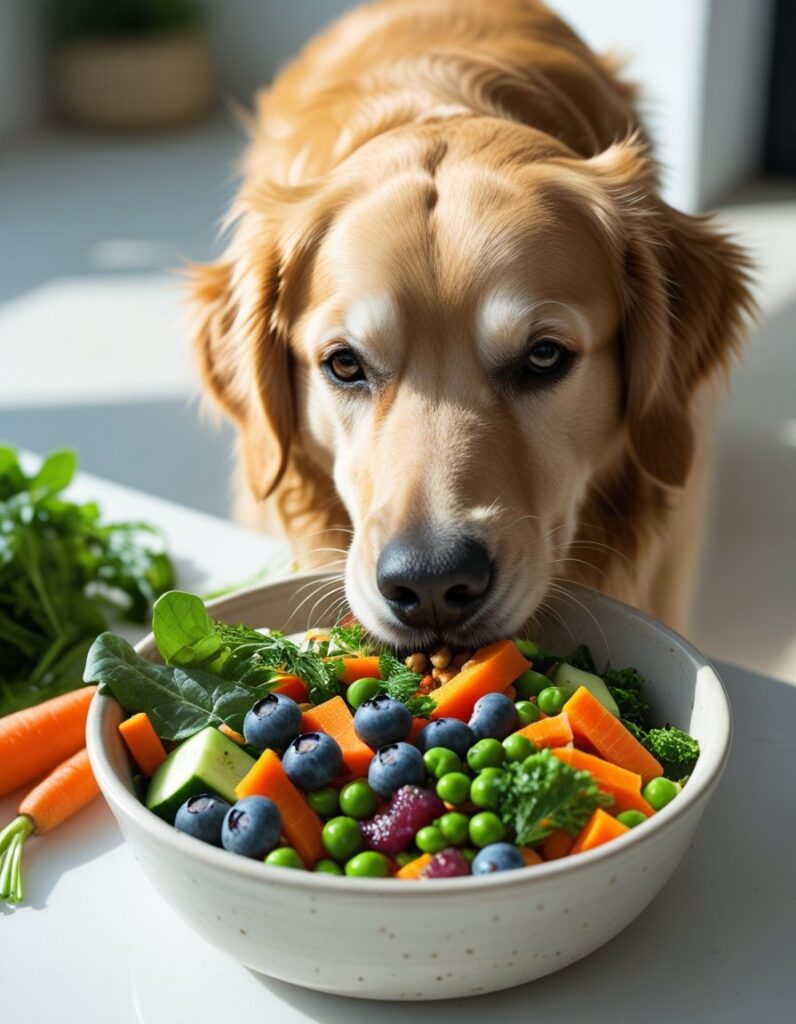
When it comes to taste, most dogs prefer fresh food over kibble. The smell, texture, and natural flavor of real meat and veggies make fresh meals irresistible. Many picky eaters who reject dry food often devour fresh options.
Kibble can lose flavor due to storage time and preservatives. Manufacturers often spray fats or flavors on kibble to make it more appealing, but it rarely beats the taste of freshly prepared food.
Tip: If your dog turns away from kibble, try mixing in a spoonful of fresh food to spark interest.
4. Storage and Shelf Life
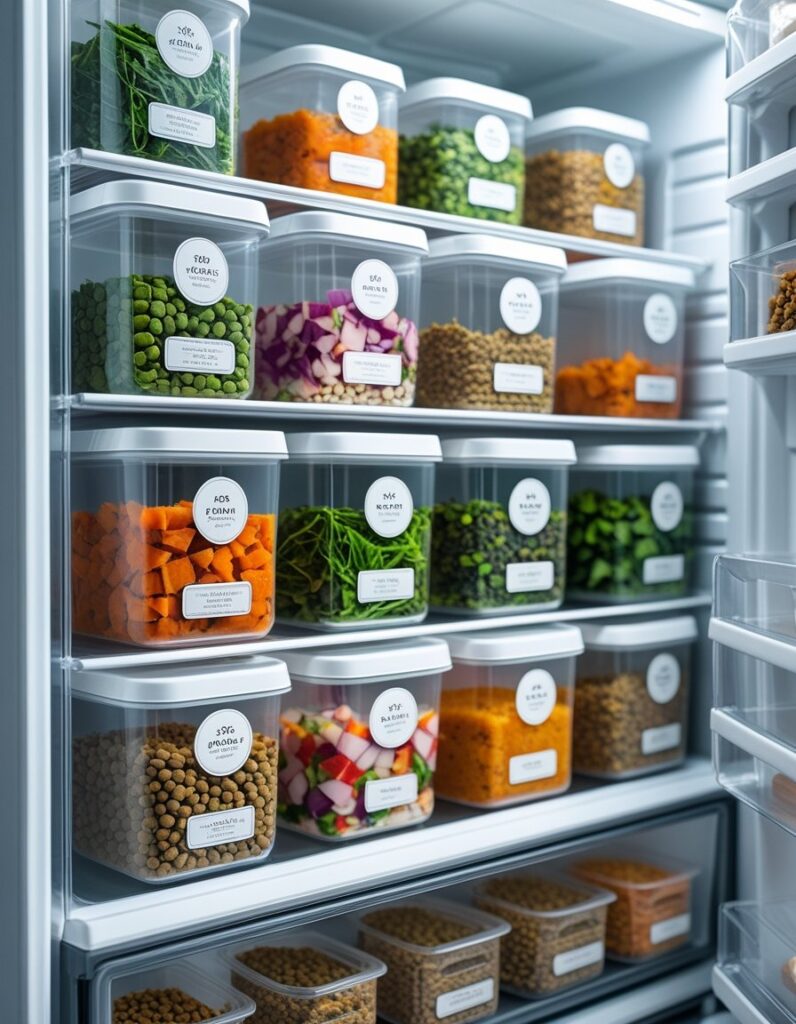
One of the biggest advantages of kibble is its long shelf life. You can store a bag for months without worry. It’s convenient for busy pet owners and easy to transport.
Fresh dog food, however, must be refrigerated or frozen to stay safe. While that means a bit more effort, the tradeoff is worth it for the freshness and lack of chemical preservatives.
Tip: Keep fresh dog meals in portioned containers so feeding is quick and easy, even on busy mornings.
5. Cost and Affordability
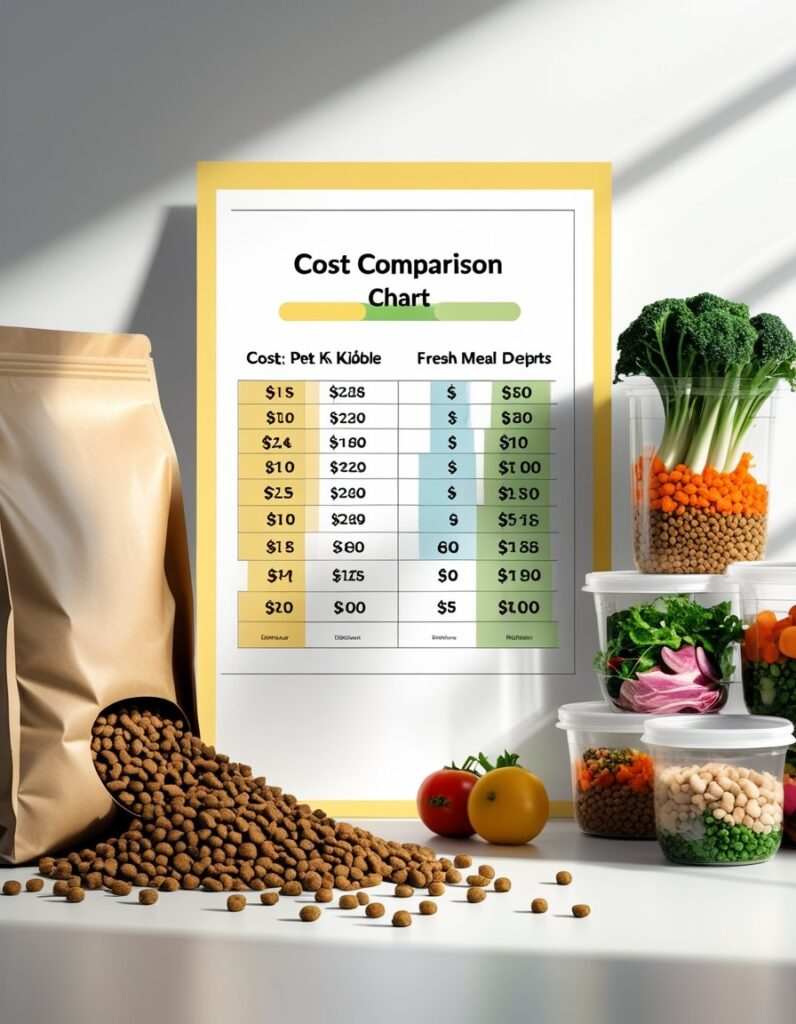
Kibble is undeniably cheaper and easier to buy in bulk. For large dogs or multiple pets, it’s a practical choice if budget is a concern.
Fresh food, while more expensive, delivers more nutritional value per bite. Think of it like investing in your dog’s long-term health — fewer vet visits, better energy, and a shinier coat can balance out the cost.
Tip: Consider alternating between fresh and kibble to save money while improving nutrition.
6. Convenience for Pet Owners

Kibble wins when it comes to convenience. You simply pour it into a bowl — no prep or cleanup required. It’s ideal for travel, boarding, and busy schedules.
Fresh dog food requires refrigeration and sometimes portioning, which takes more planning. However, many brands now deliver pre-portioned meals right to your door, making it easier than ever to feed fresh.
Tip: Choose a subscription-based fresh food brand for hassle-free delivery and perfectly measured meals.
7. Health Benefits Over Time

Dogs on fresh diets often show noticeable improvements — shinier coats, cleaner teeth, more energy, and better digestion. Because fresh meals are free from fillers and chemicals, they promote stronger immunity and healthier aging.
Kibble-fed dogs can stay healthy too, but some may experience issues like obesity, allergies, or dull coats if the kibble contains low-quality ingredients. The long-term benefits of fresh food can outweigh its initial cost and effort.
Tip: Keep track of your dog’s coat shine, breath, and energy — they’re signs of how well their diet suits them.
8. Food Safety and Quality Control
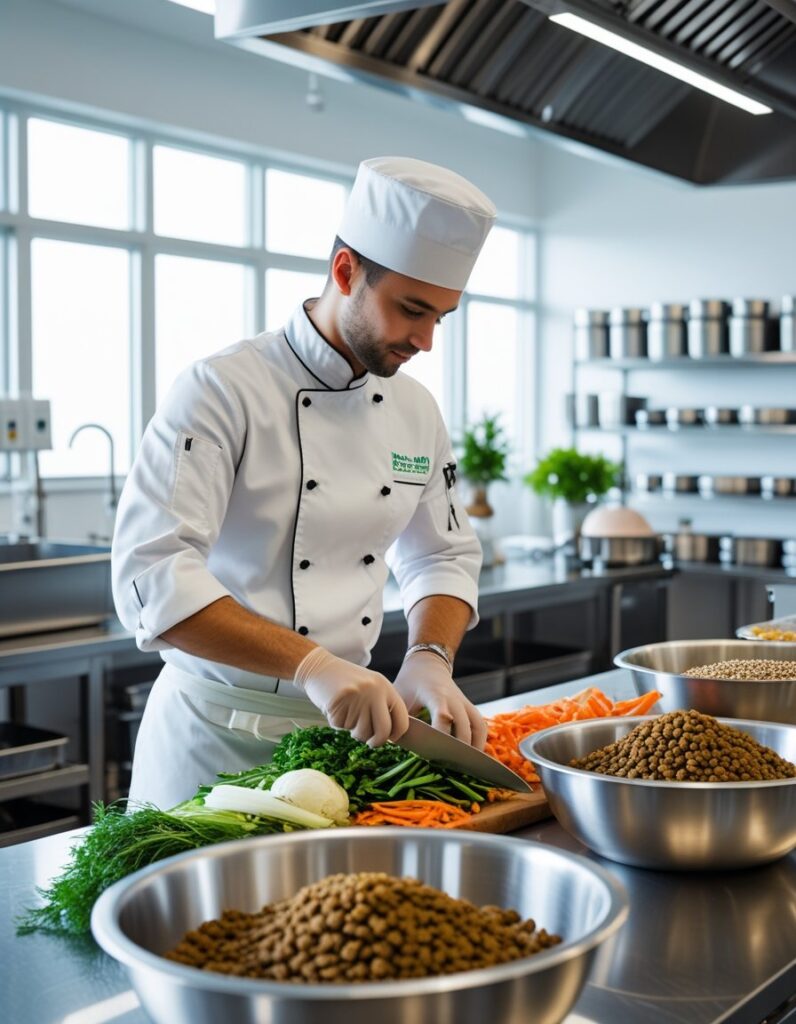
Fresh dog food companies usually follow strict safety protocols since their meals are made in human-grade kitchens. Ingredients are traceable, and most brands share sourcing details with transparency.
Kibble manufacturers often produce large batches, which can lead to contamination or recalls if something goes wrong. Always research the brand’s reputation and recall history before buying.
Tip: Choose brands that share where their ingredients come from and how they’re processed.
9. Environmental Impact
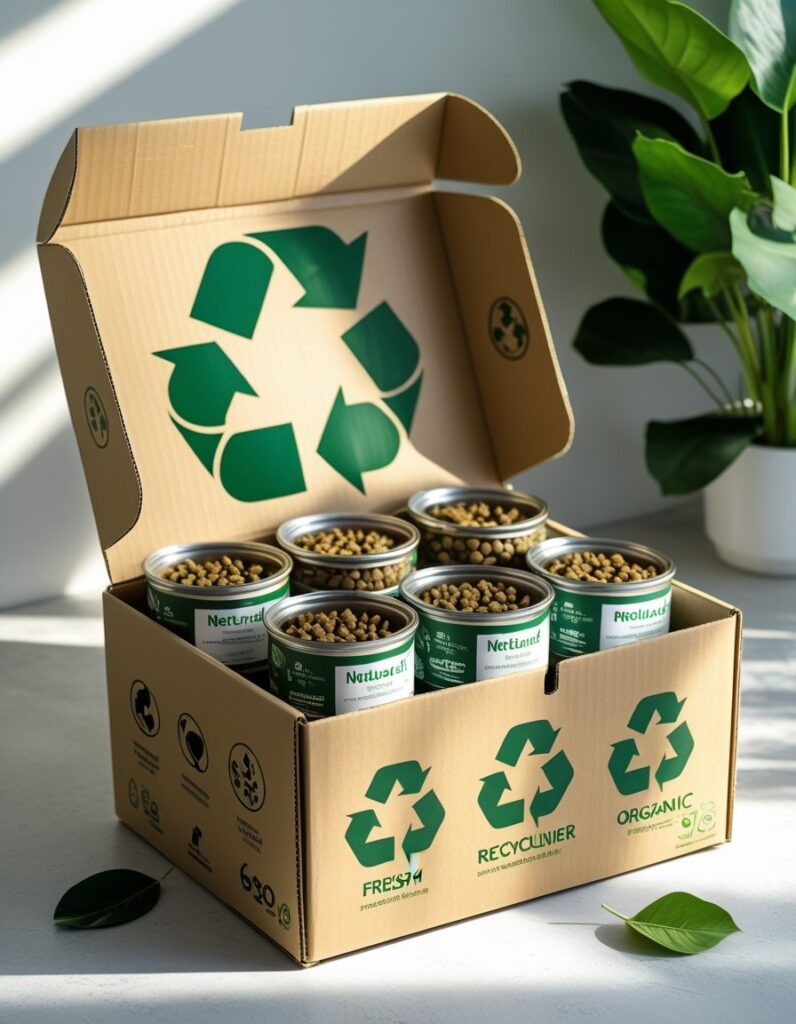
Fresh dog food production can have a lower environmental footprint when sourced from local farms and prepared with sustainable ingredients. It also produces less packaging waste compared to large kibble bags.
However, kibble is more efficient for mass distribution. It uses less energy to store and ship, especially when made from by-products that might otherwise go to waste.
Tip: Support eco-friendly brands that use recyclable packaging or locally sourced ingredients.
10. Finding the Right Balance
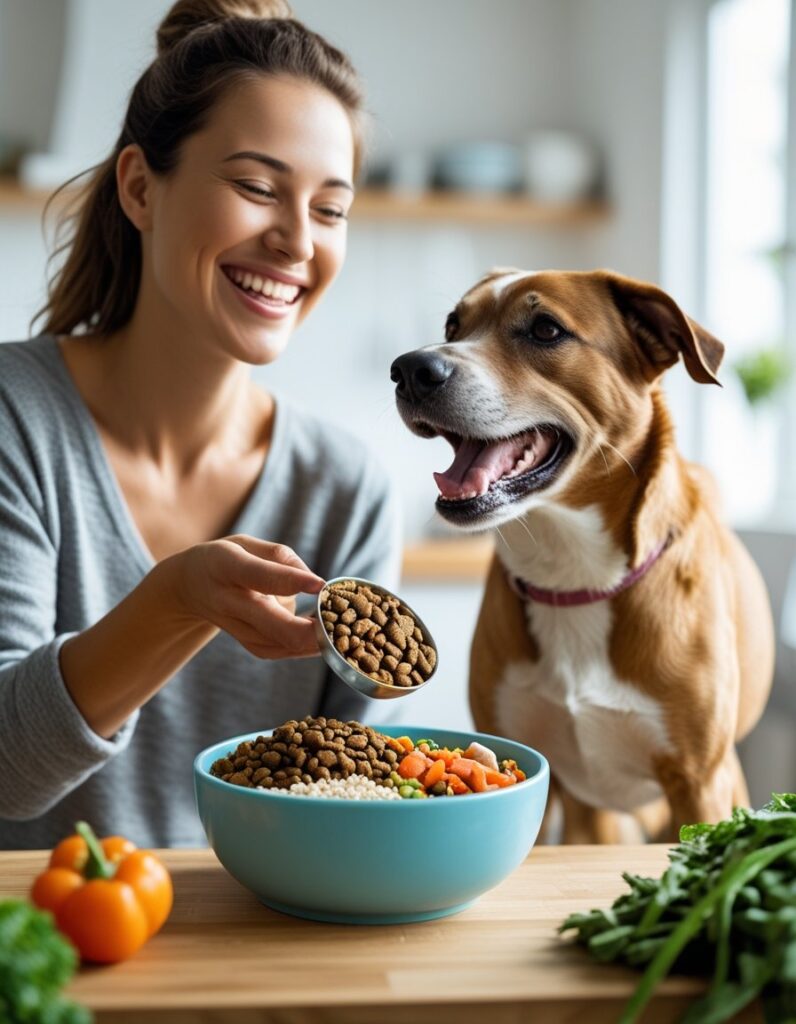
Both fresh and kibble diets have their place in a healthy pet lifestyle. The key is balance and understanding what works best for your dog’s specific needs. Some dogs thrive on fresh food, while others do well on premium kibble or a mix of both.
Watch your dog’s reaction, energy, and coat health. Every pup is unique, and the best food is the one that keeps them happy, active, and well-nourished.
Tip: Experiment slowly when switching diets — sudden changes can upset your dog’s stomach.
Also Read: https://thepetbites.com/affordable-organic-dog-food-online/
Conclusion

So, in the fresh dog food vs kibble comparison, there’s no single “perfect” answer — it depends on your dog’s needs, your lifestyle, and your budget. Fresh food shines in nutrition and taste, while kibble wins in convenience and cost. Many pet parents find success with a mix of both — feeding fresh meals a few times a week alongside quality kibble.
Ultimately, what matters most is your dog’s health and happiness. Choose what keeps their tail wagging, coat glowing, and energy high. Your furry friend deserves the very best.