10 Best Homemade Dog Food for Allergies Recipes and Tips Every Pet Parent Should Know
If your furry friend struggles with constant itching, upset stomach, or skin redness, food allergies might be to blame. Many dog owners are turning to homemade dog food for allergies as a healthy, customizable solution. By preparing meals yourself, you control every ingredient — ensuring your dog gets nutrition without harmful triggers.
Cooking for your dog isn’t just rewarding — it’s a way to show love while protecting their health. The right homemade recipes can ease allergies, boost energy, and make mealtime exciting again. Let’s explore the top ways to create safe, nutritious, and allergy-friendly meals your pup will adore.
1. Understanding Dog Food Allergies

Dog food allergies happen when a dog’s immune system mistakes certain ingredients for harmful invaders. Common triggers include chicken, beef, dairy, wheat, soy, and corn. These can cause itchy skin, ear infections, or digestive issues.
Homemade meals let you remove suspicious ingredients and test safer alternatives like turkey, lamb, or fish. This process helps you identify what works best for your pup’s sensitive system. It’s the first step toward a healthier, happier dog.
Tip: Start with a food elimination diet — use simple ingredients for a few weeks and track improvements.
2. Choosing the Right Protein Source

When making allergy-friendly dog food, your protein choice matters most. Lean, novel proteins like duck, salmon, turkey, or venison are excellent options for sensitive dogs. They’re less likely to cause allergic reactions and still provide essential amino acids.
Rotate protein sources every few weeks to keep your dog’s diet balanced and reduce the risk of developing new sensitivities. Avoid processed meats and always cook proteins thoroughly to eliminate bacteria.
Tip: If your dog reacts to common meats, try limited-ingredient recipes with one protein and one carbohydrate.
3. Safe Carbohydrates for Sensitive Dogs
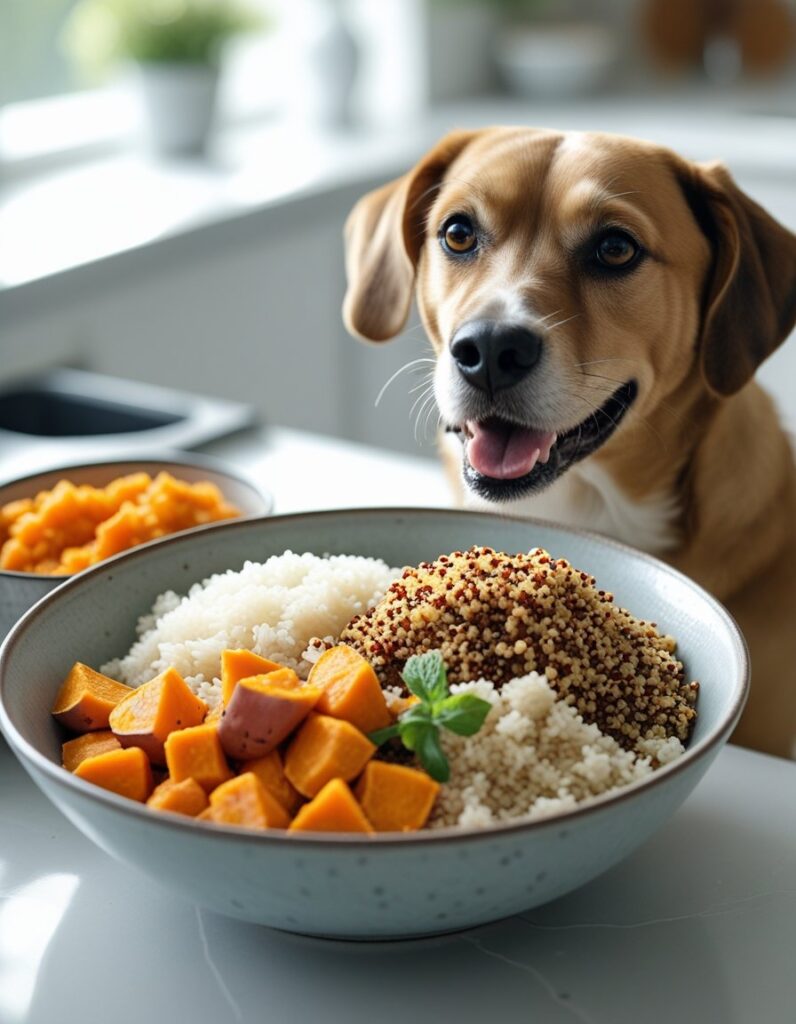
Not all carbs are bad. In fact, healthy carbs can soothe your dog’s digestive system and add valuable nutrients. Sweet potatoes, pumpkin, quinoa, and brown rice are fantastic allergy-friendly options. They’re easy to digest and provide steady energy.
Avoid grains like wheat or corn, which often trigger allergic reactions. Mix small portions of these safe carbs with protein for a complete, balanced meal. Your dog will love the variety and taste.
Tip: Boil or bake carbs instead of frying — it keeps the meal light and easy on your dog’s stomach.
4. Essential Fats for Skin and Coat Health
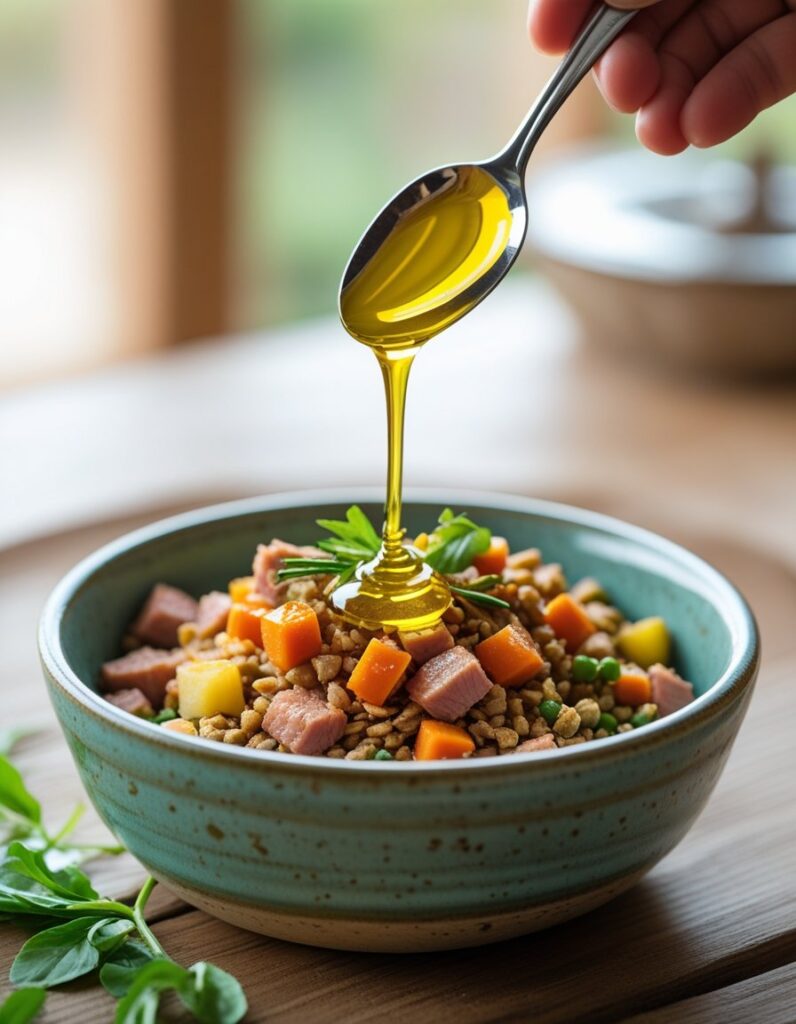
Healthy fats are vital for dogs, especially those with allergies. Omega-3 fatty acids from sources like salmon oil, flaxseed, and coconut oil can reduce inflammation and itching. These fats also promote a shiny coat and support brain function.
Add small amounts of these oils to your dog’s homemade meals. They not only enhance flavor but also help improve nutrient absorption and skin barrier strength.
Tip: Start with half a teaspoon of fish oil daily for small dogs and increase gradually.
5. Fruits and Vegetables That Help Allergies
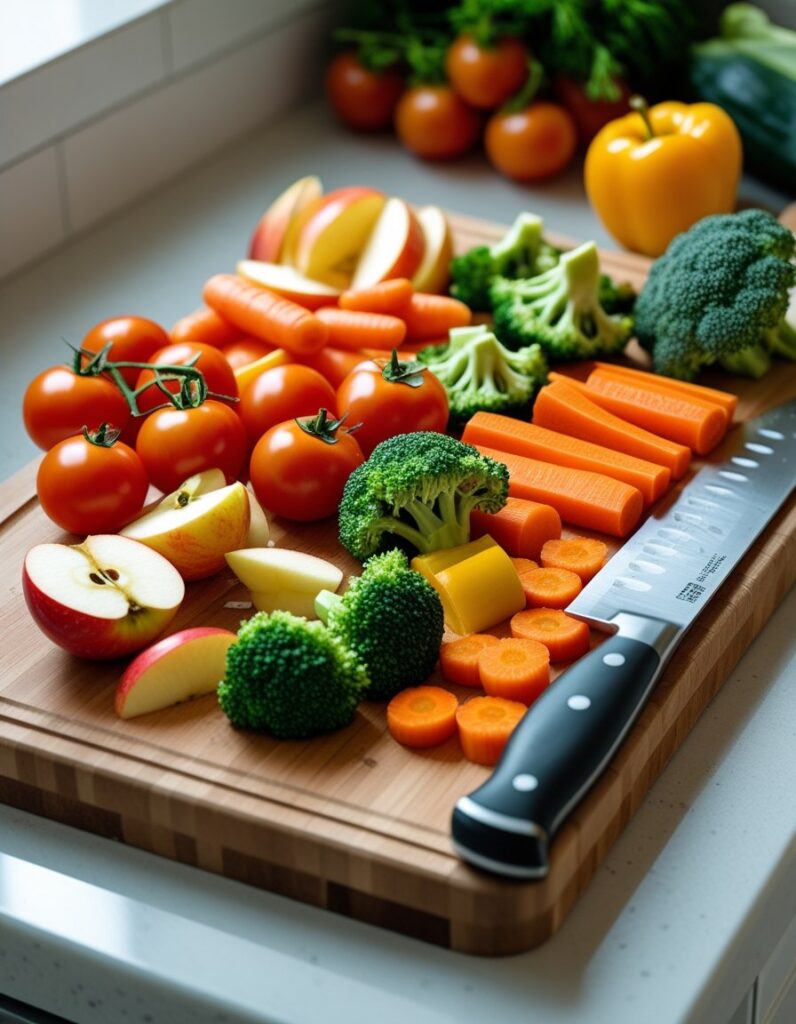
Fresh produce can work wonders for allergic dogs. Blueberries, spinach, carrots, and green beans are rich in antioxidants that fight inflammation. They also support your dog’s immune system and aid digestion.
Avoid onions, grapes, and avocados — they’re toxic to dogs. Lightly steam or puree vegetables so your dog can digest them easily. Fruits should be served in moderation to prevent excess sugar intake.
Tip: Add a handful of chopped veggies to each meal for a colorful, nutrient-rich boost.
6. Simple Homemade Dog Food Recipe for Allergies
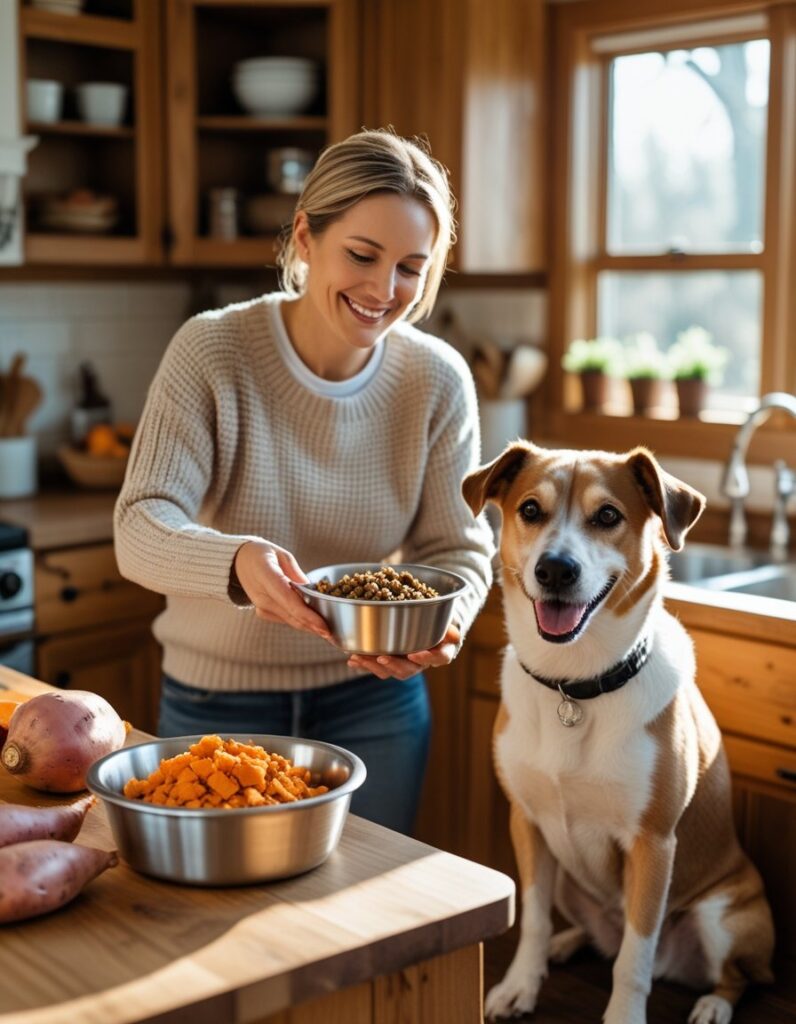
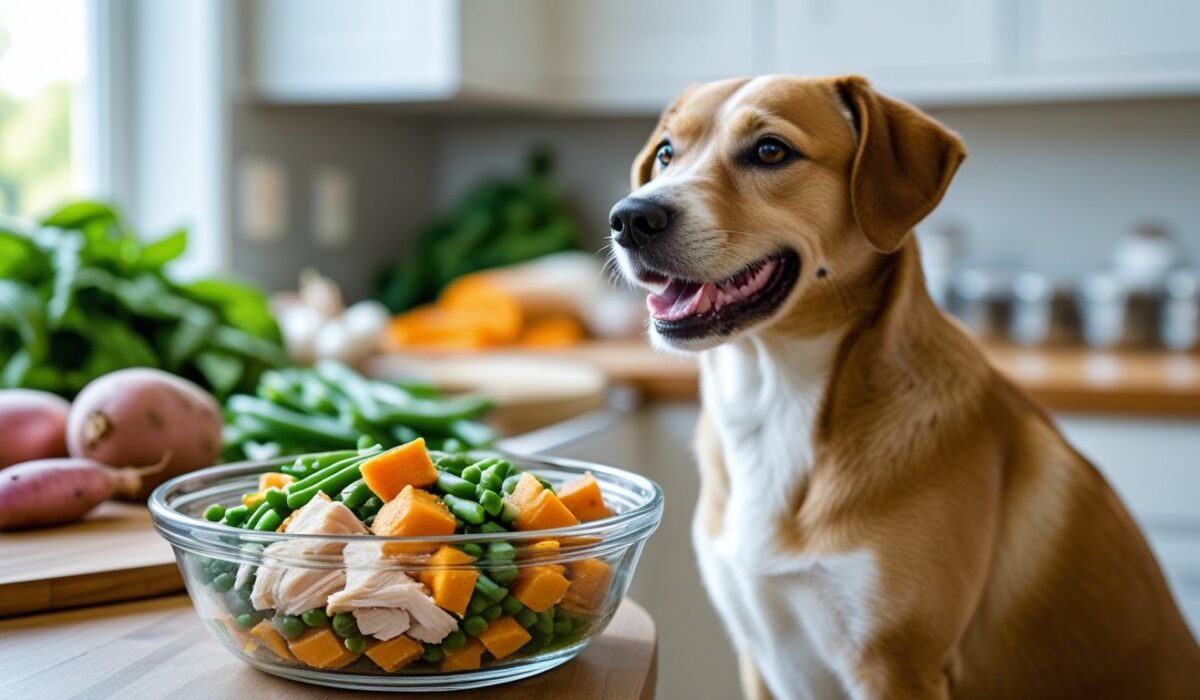
Here’s a quick, balanced recipe to try: Combine 1 cup of cooked turkey, ½ cup of sweet potatoes, ¼ cup of green beans, and 1 teaspoon of olive oil. Mix well and let it cool before serving.
This meal provides protein, fiber, and healthy fats — all while avoiding common allergens. You can prepare it in batches and refrigerate portions for up to three days.
Tip: Always cool food before serving to avoid mouth burns and preserve nutrients.
7. Supplements to Support Allergic Dogs

Even with the best homemade meals, some dogs need extra nutrients. Probiotics can aid digestion, while vitamin E and zinc strengthen the skin barrier. Omega-3 supplements are especially helpful for reducing itchiness.
Ask your vet before adding any supplements. Each dog’s needs are unique, and overdosing can cause more harm than good. Choose natural, vet-approved options for safe long-term support.
Tip: Look for supplements labeled “grain-free” and “hypoallergenic” to match your dog’s diet.
8. Signs Your Dog’s Allergies Are Improving
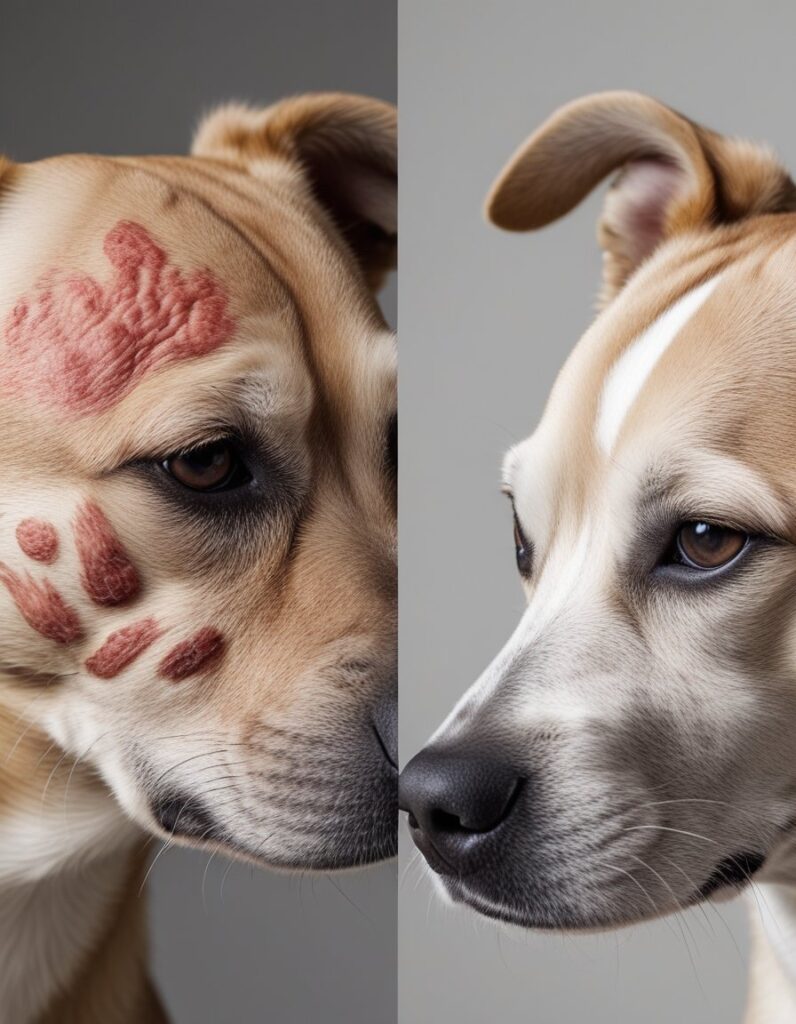
As you switch to homemade food, watch for signs of progress. Reduced itching, cleaner ears, better stool consistency, and brighter eyes often mean your dog’s body is healing.
Improvement may take a few weeks. Keep a feeding diary and note any behavioral or physical changes. Consistency is key — stick with the new diet to let your dog’s system adjust fully.
Tip: Take before-and-after photos to track skin and coat improvements over time.
9. Mistakes to Avoid When Cooking for Allergic Dogs
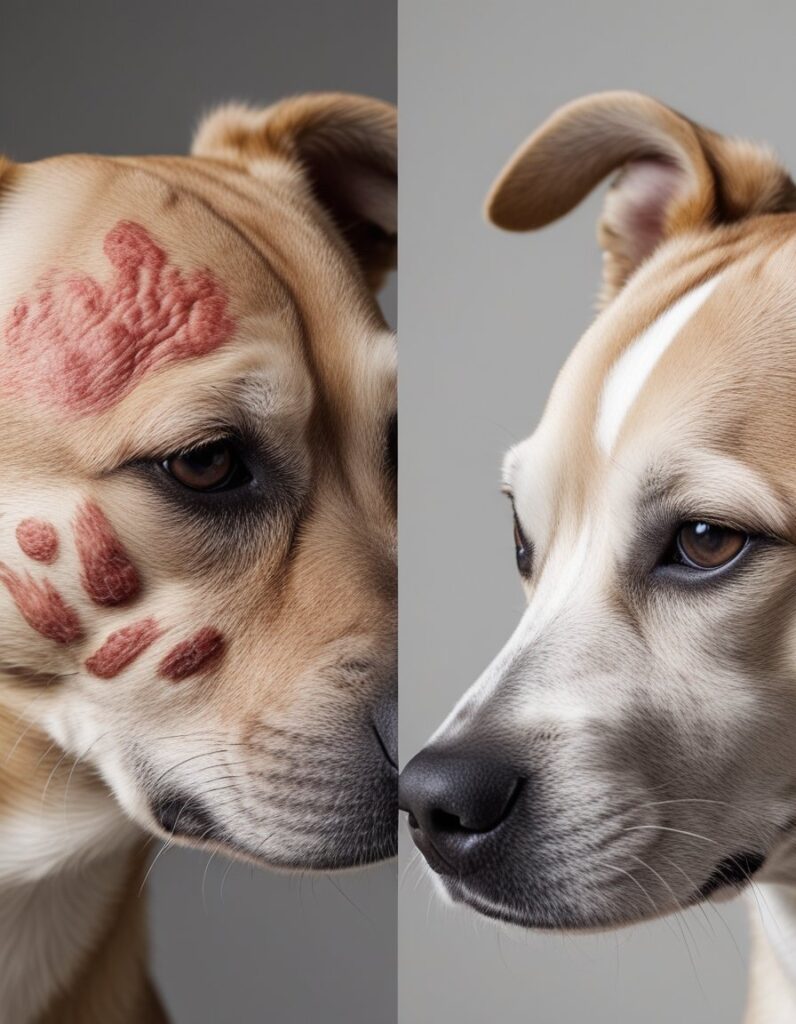
Many pet owners make the mistake of skipping key nutrients or using unsafe ingredients. Avoid using spices, salt, onions, garlic, or high-fat meats. These can worsen allergies and harm your dog’s organs.
Also, don’t rely on one recipe forever. Rotate ingredients, maintain portion control, and consult your vet regularly to ensure balanced nutrition. Homemade meals should mimic the variety found in nature.
Tip: Use vet-approved recipes or online meal planners designed for allergic dogs.
10. When to Talk to Your Vet

If your dog’s allergy symptoms persist despite dietary changes, it’s time to seek veterinary advice. Your vet can perform allergy testing or recommend a specific diet plan tailored to your dog’s needs.
They may also suggest medical treatments or supplements to speed up recovery. Remember, homemade meals work best when paired with professional guidance — especially for dogs with severe allergies or chronic conditions.
Tip: Schedule a vet check-up before starting or changing any homemade diet.
Read More: https://thepetbites.com/top-rated-raw-dog-food-diets/
Conclusion
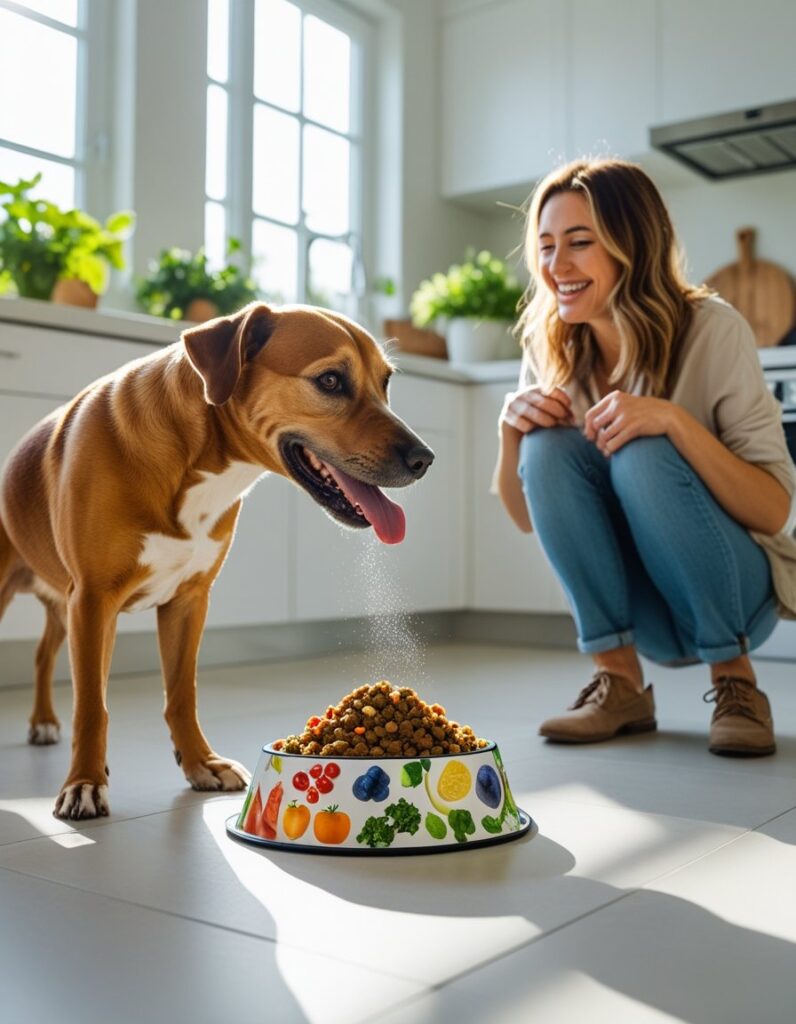
Switching to homemade dog food for allergies can transform your dog’s health and happiness. It gives you total control over ingredients and allows you to tailor meals to your pet’s needs. With patience, observation, and a few trusted recipes, you can eliminate discomfort and bring joy back to mealtime.
Homemade meals aren’t just food — they’re love in a bowl. Start small, stay consistent, and watch your furry friend thrive with every bite.