How to Calm Anxious Pets Naturally at Home Without Stress or Medication
Many pet owners struggle with anxious pets. Dogs may bark excessively, pace, or hide, while cats may scratch furniture, hiss, or refuse to eat. Stress in pets is more than annoying it can affect their health, appetite, and happiness. Fortunately, there are natural, effective ways to help pets feel safe and relaxed without medication.
This guide shares practical strategies for calming anxious pets naturally at home. Whether your pet is sensitive to loud noises, separation, or changes in routine, these tips can help reduce stress, improve behavior, and strengthen your bond.
1. Understand Your Pet’s Anxiety Triggers

Before trying any solutions, it’s important to know what causes your pet’s anxiety. Common triggers include loud noises (thunderstorms, fireworks), new environments, separation from family members, or changes in routine.
Observe your pet carefully to notice subtle signs: pacing, panting, excessive grooming, hiding, or vocalization. Understanding triggers allows you to apply targeted calming strategies rather than random fixes.
Tip: Keep a diary of stressful situations and your pet’s reactions to identify patterns.
2. Create a Safe Space for Your Pet
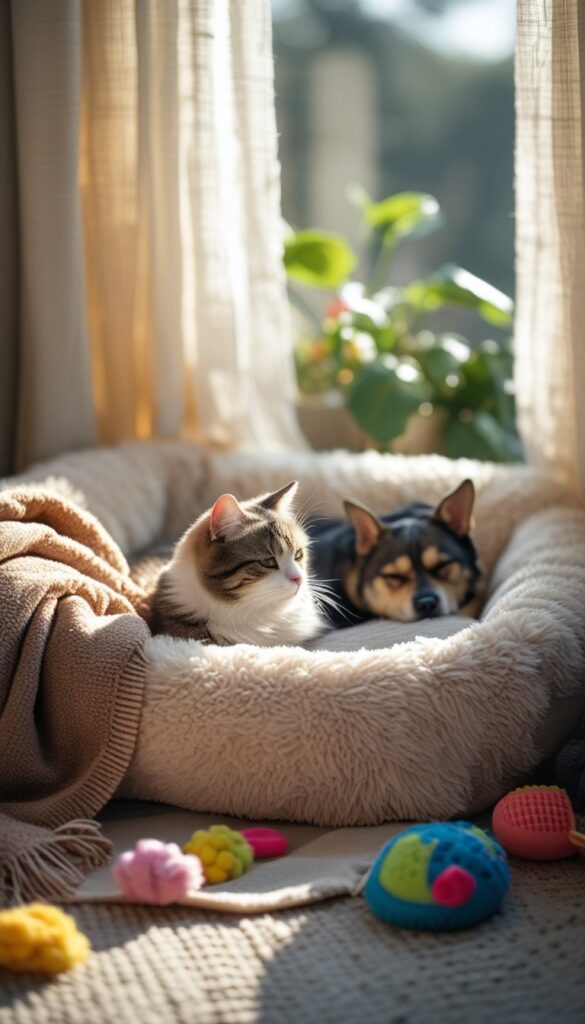
A designated safe space can give your pet a sense of security. For dogs, this might be a quiet room with their bed and toys. For cats, a cozy hideaway like a box, perch, or small room works well.
Include familiar scents like blankets or clothing to comfort them. Avoid loud noises and traffic in this area. Pets tend to retreat here during stressful situations and gradually feel more relaxed over time.
Tip: Make this space accessible at all times, not just during anxiety triggers.
3. Use Gentle Touch and Massage

Physical contact can be a powerful way to calm anxious pets. Slow, gentle strokes along your pet’s back, chest, or head can release tension. Some pets respond well to massage techniques like circular motions on shoulders or along the spine.
For cats, petting in areas they enjoy like behind the ears or under the chin works best. For dogs, avoid forcing touch—let them come to you. Consistent gentle touch reduces cortisol levels and helps pets feel secure.
Tip: Observe body language; stop if the pet shows discomfort.
4. Incorporate Soothing Sounds and Music
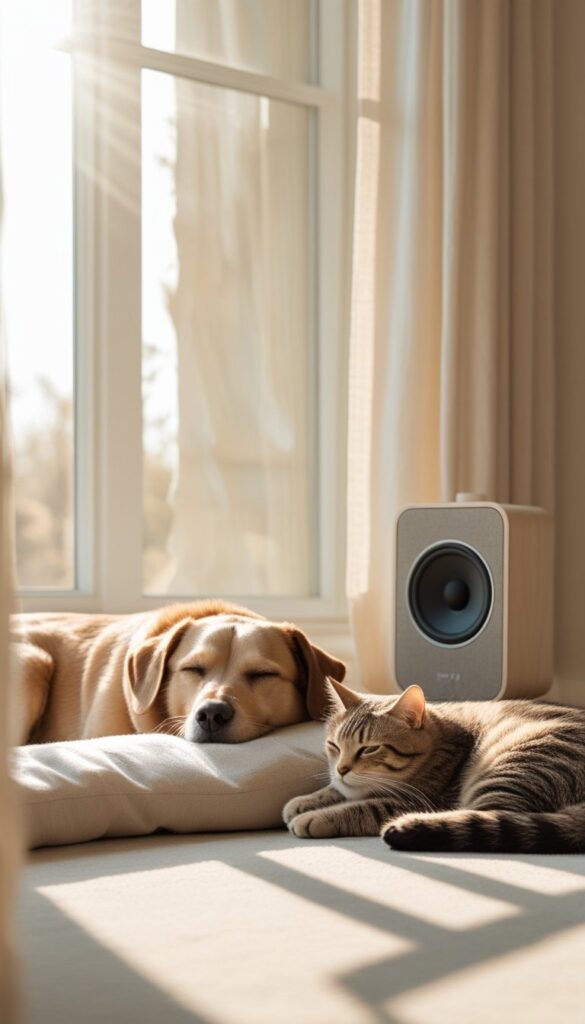
Soft background music or white noise can help calm pets naturally. Classical music or specially designed pet relaxation tracks are particularly effective. Avoid loud, sudden sounds that may increase stress.
For cats, quiet and gentle tones help them feel at ease. For dogs, calming music can reduce barking and restlessness during storms or when left alone.
Tip: Play soothing music regularly, not just during stressful events, to condition a calm response.
5. Aromatherapy for Pets (Safe Essential Oils)
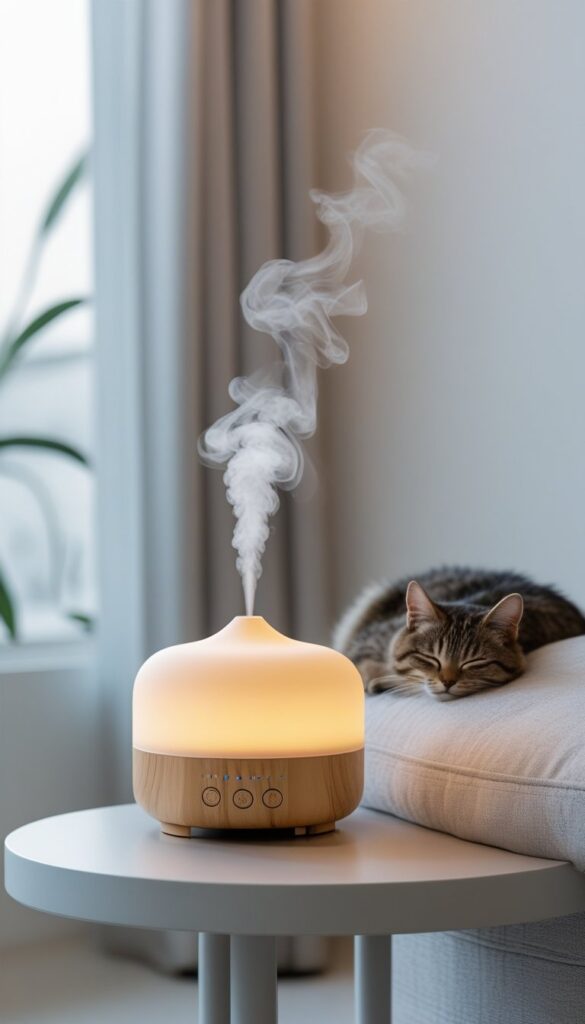
Certain scents, like lavender or chamomile, may help calm pets when used safely. Never apply essential oils directly to pets or use toxic oils (like tea tree). Instead, use a diffuser in a well-ventilated area away from your pet.
Observe their reaction carefully if they show signs of discomfort, discontinue use. Properly used aromatherapy can gently reduce stress and create a comforting environment.
Tip: Always research safe essential oils for your specific pet before use.
6. Exercise and Mental Stimulation
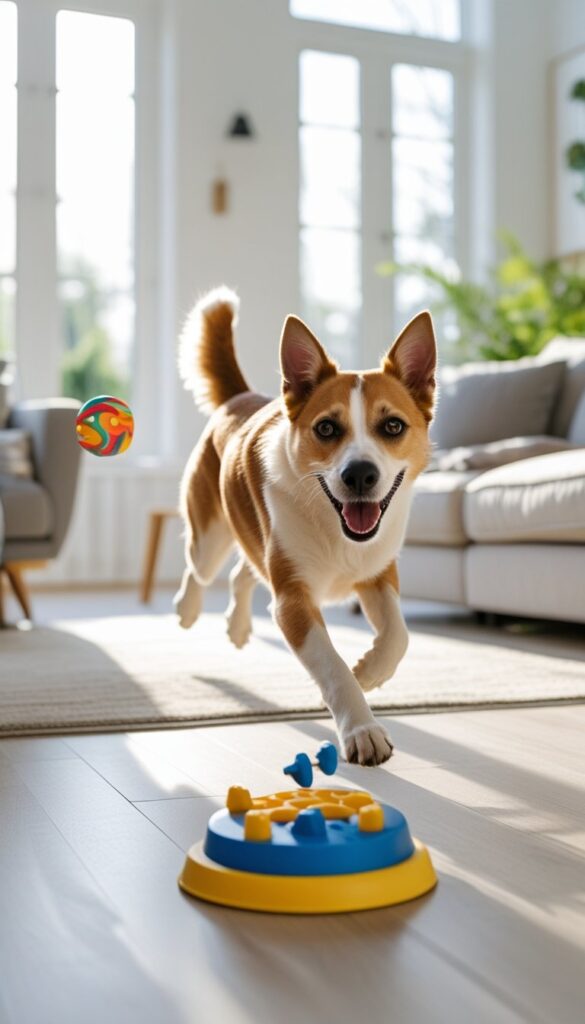
Regular physical activity reduces anxiety by releasing pent-up energy. Dogs benefit from walks, playtime, and interactive toys, while cats enjoy climbing structures, puzzle feeders, and laser toys.
Mental stimulation is equally important. Training games, scent-based activities, and interactive challenges keep pets engaged, reducing boredom-related stress.
Tip: Tailor exercise and playtime to your pet’s age, breed, and health level.
7. Use Natural Supplements or Treats
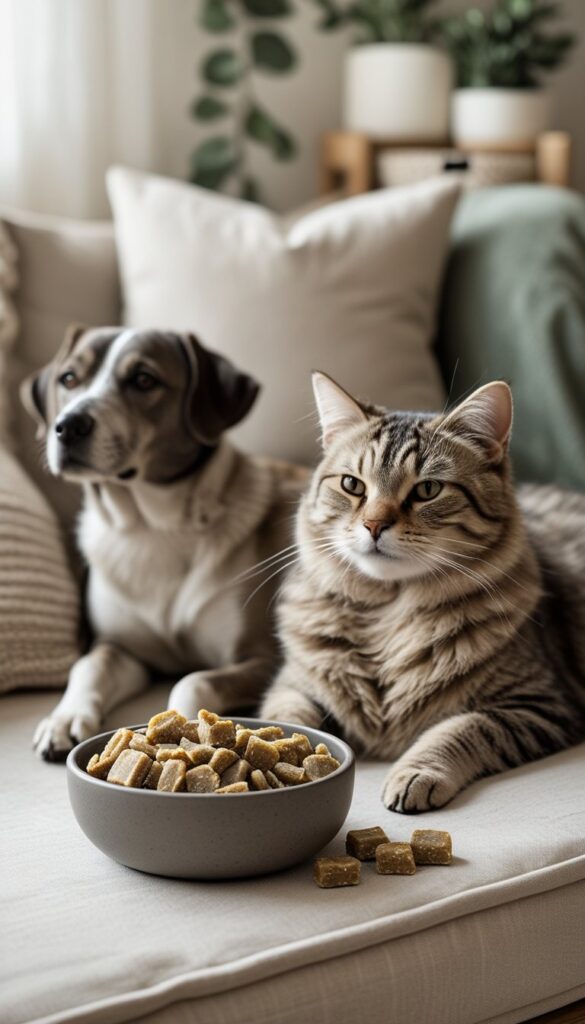
Some natural supplements can reduce mild anxiety, such as calming chews, pheromone diffusers, or herbal blends approved for pets. These can complement behavioral strategies, especially in moderately stressed animals.
Always consult your vet before introducing supplements to ensure safety and correct dosage. Combining supplements with environmental adjustments creates a holistic approach to pet anxiety.
Tip: Start with one supplement at a time to observe its effect.
8. Maintain a Predictable Routine
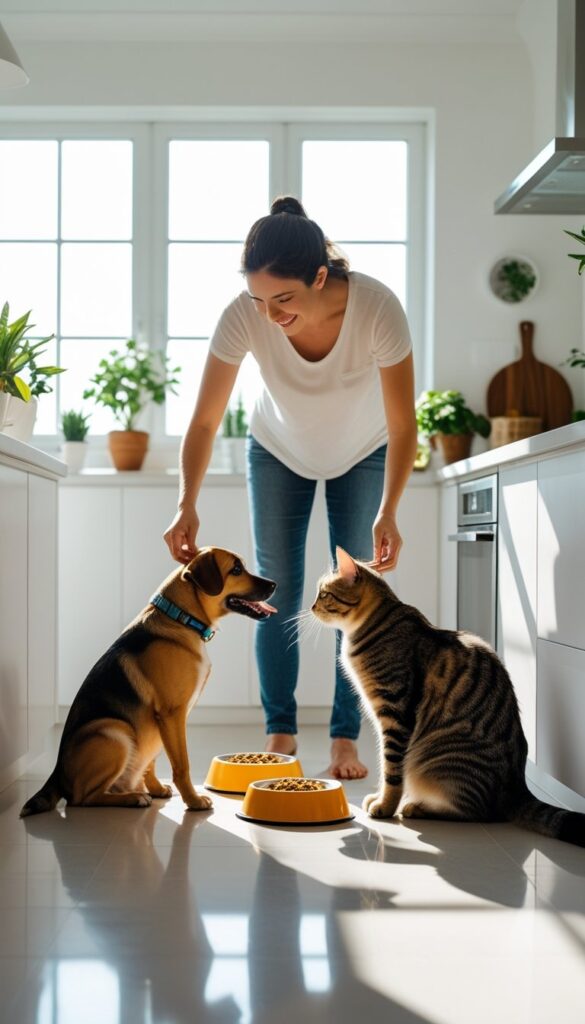
Pets thrive on consistency. Feeding, walking, and playtime at regular intervals reduces stress and builds confidence. Predictable routines make pets feel secure, especially in multi-pet households.
Sudden changes in schedule can increase anxiety, so even minor adjustments should be introduced gradually. Over time, routine builds trust and helps pets anticipate positive experiences.
Tip: Use consistent commands, cues, and daily schedules for calm reinforcement.
Also Read:10 Best Joint and Mobility Support Tips for Senior Pets Every Pet Owner Should Know
9. Gradual Desensitization to Triggers
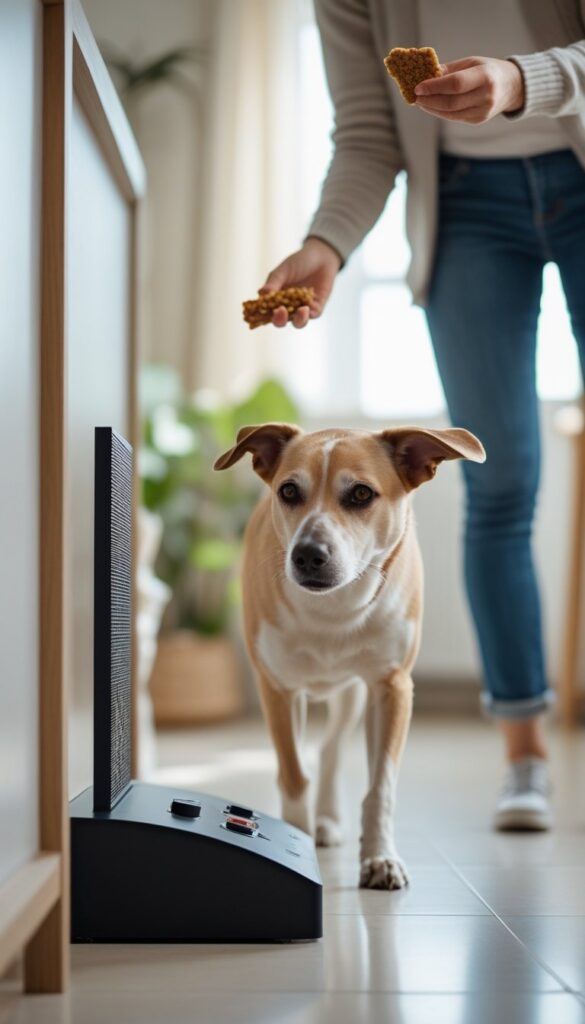
For pets sensitive to specific triggers (e.g., doorbells, storms, car rides), gradual exposure can help. Introduce the stimulus at a low intensity, paired with rewards and praise, and increase exposure slowly.
This method retrains your pet’s response, reducing fear and anxiety over time. Patience is key—progress may be gradual but lasting.
Tip: Always reward calm behavior and avoid punishment, which worsens anxiety.
10. Conclusion
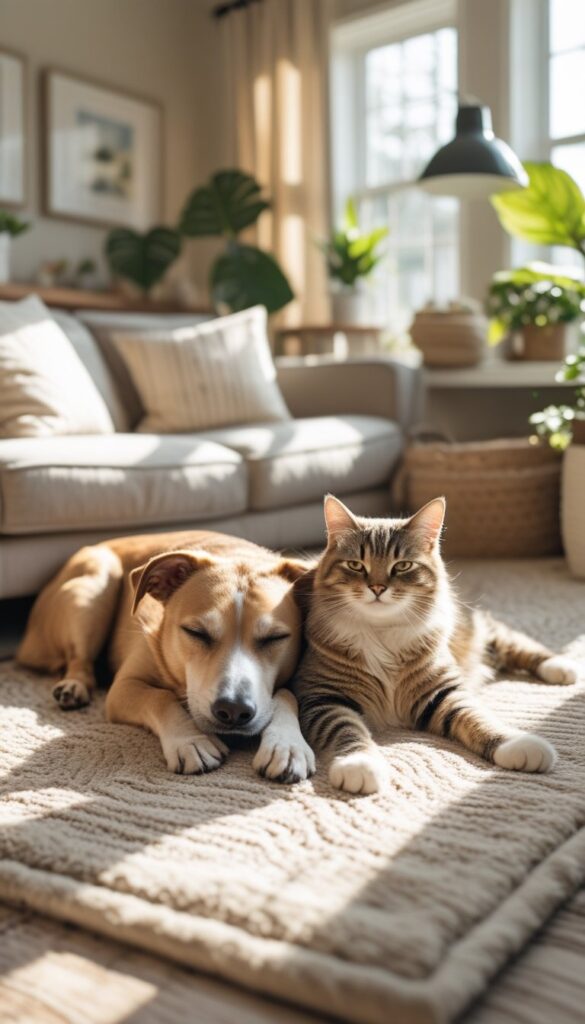
Helping your pet overcome anxiety naturally at home is rewarding and strengthens the bond between you and your furry friend. Combining a safe environment, gentle touch, mental stimulation, and predictable routines can drastically improve your pet’s emotional wellbeing.
Patience, consistency, and observation are key. With these strategies, anxious pets can learn to feel safe, confident, and comfortable in their daily lives—without relying on medication unless necessary.
Tip: Track progress over time and adjust techniques based on your pet’s comfort and response.