

Is Your Elderly Dog Losing Way Too Much Weight Even Though You’re Feeding Them Regularly and Caring for Them Well
Watching an elderly dog lose weight can be deeply worrying. Many pet parents start asking themselves, is your elderly dog losing way too much weight even though you are feeding them regularly and doing everything you can. Ribs may start showing, muscles may shrink, and your dog may look weaker than before.
Weight loss in senior dogs is not always normal aging. It is often a sign that something deeper is happening, whether related to digestion, dental pain, illness, or changes in metabolism. This guide will help you understand why senior dogs lose weight, what signs to watch for, and how to support your dog safely and compassionately.
Why Weight Loss Is More Concerning in Elderly Dogs
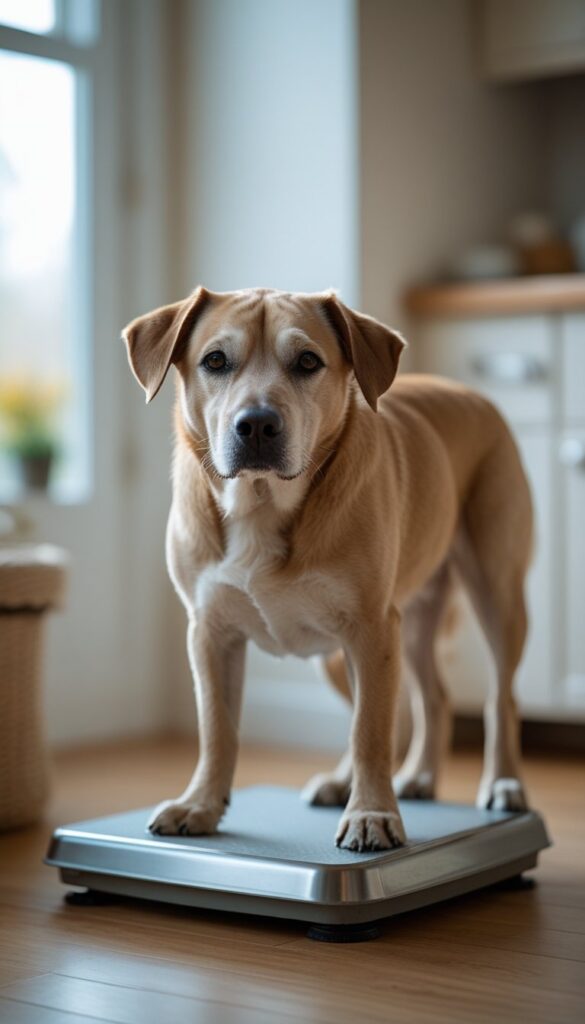
As dogs age, their bodies become less resilient. Muscle loss happens faster, and it becomes harder for them to regain lost weight. Even small changes can have a big impact on their strength and immune system.
Unlike younger dogs, seniors cannot afford prolonged weight loss. When an elderly dog loses weight, it often points to an underlying issue that needs attention, not just more food.
Tip: Take monthly photos and weigh your senior dog regularly so you can spot gradual weight loss early rather than noticing only when it becomes severe.
Common Medical Reasons Behind Senior Dog Weight Loss
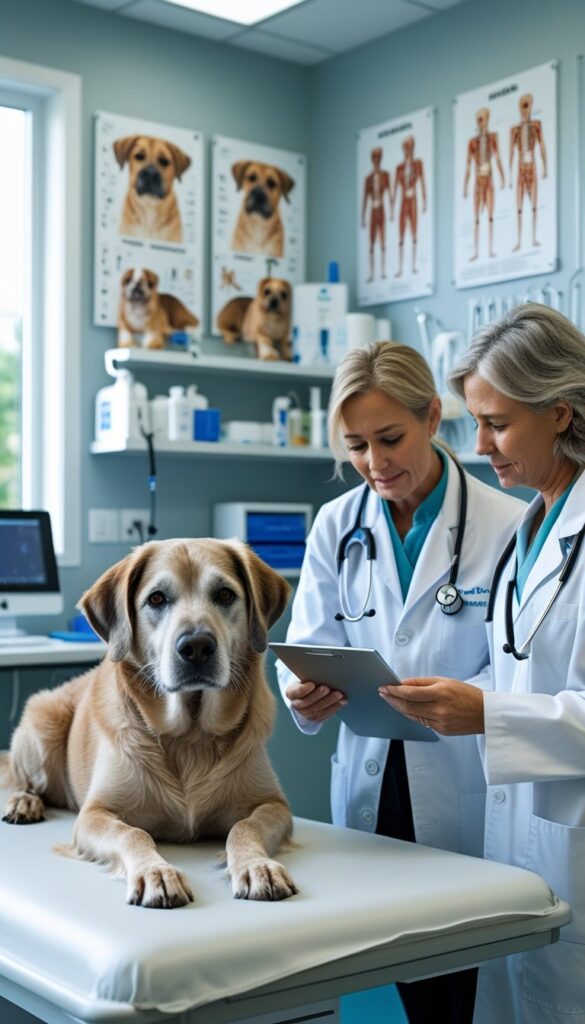
Many medical conditions can cause weight loss in older dogs. These include kidney disease, diabetes, thyroid disorders, cancer, and gastrointestinal problems. Pain and chronic inflammation can also reduce appetite and nutrient absorption.
Even conditions like arthritis can indirectly cause weight loss by reducing movement and interest in eating. If your elderly dog is losing way too much weight, medical causes must always be ruled out first.
Tip: Schedule a comprehensive senior blood panel and urinalysis to identify hidden illnesses that may not show obvious symptoms early on.
Dental Pain and Chewing Difficulty Leading to Weight Loss
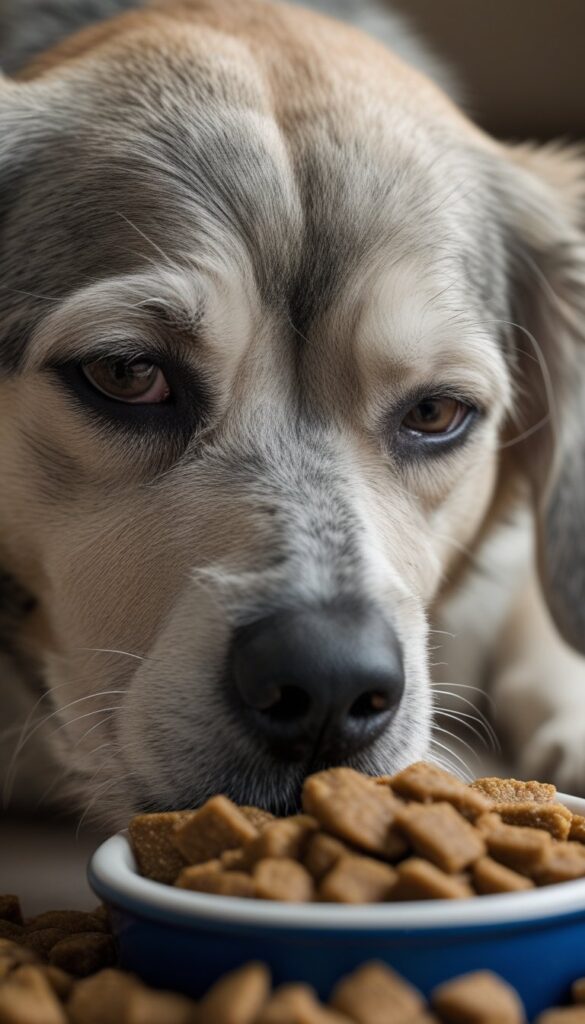
Dental disease is one of the most overlooked causes of weight loss in senior dogs. Sore gums, infected teeth, or broken teeth can make chewing painful, even if your dog seems interested in food.
Dogs may try to eat but stop midway, drop food, or swallow without chewing properly. Over time, this leads to reduced intake and weight loss.
Tip: Check your dog’s mouth weekly for redness, swelling, or bad breath, and ask your vet if soft or dental-friendly food is needed.
Digestive Changes and Poor Nutrient Absorption
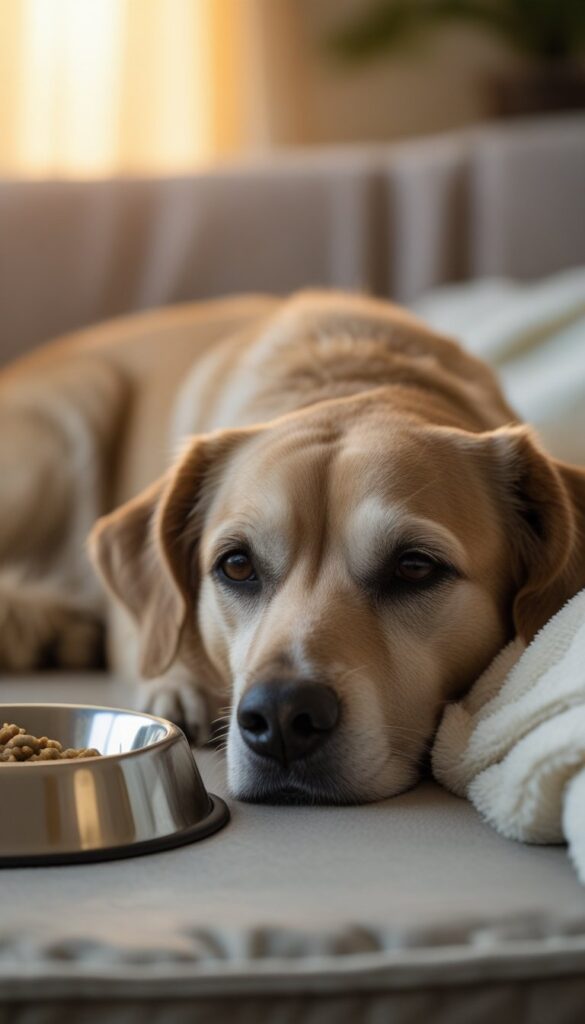
Aging affects digestion. Senior dogs may eat enough but still lose weight because their bodies are not absorbing nutrients properly. Conditions like inflammatory bowel disease or enzyme deficiencies are common in older dogs.
Loose stools, gas, or frequent bowel movements can signal malabsorption. Weight loss despite a normal appetite is a key warning sign.
Tip: Monitor stool quality closely and discuss digestive enzymes or probiotic support with your vet if changes appear.
Loss of Appetite in Aging Dogs
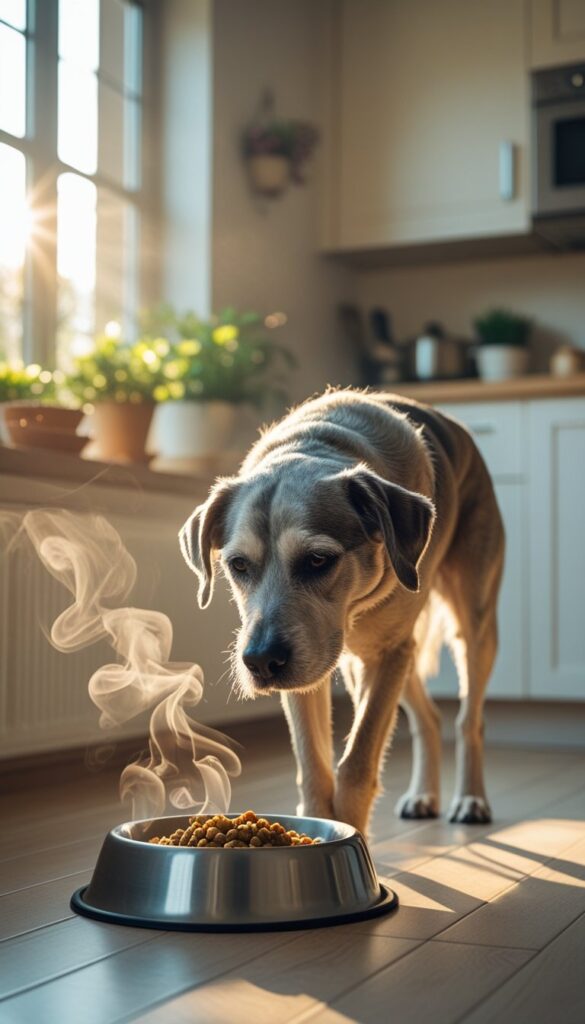
Some elderly dogs lose interest in food altogether. Reduced sense of smell, cognitive changes, depression, or chronic pain can all reduce appetite.
When appetite drops, calorie intake falls quickly. This is especially dangerous for senior dogs who already struggle to maintain muscle mass.
Tip: Offer warm, aromatic food in a quiet environment and try smaller, more frequent meals to gently stimulate appetite.
Muscle Loss Versus Fat Loss in Senior Dogs
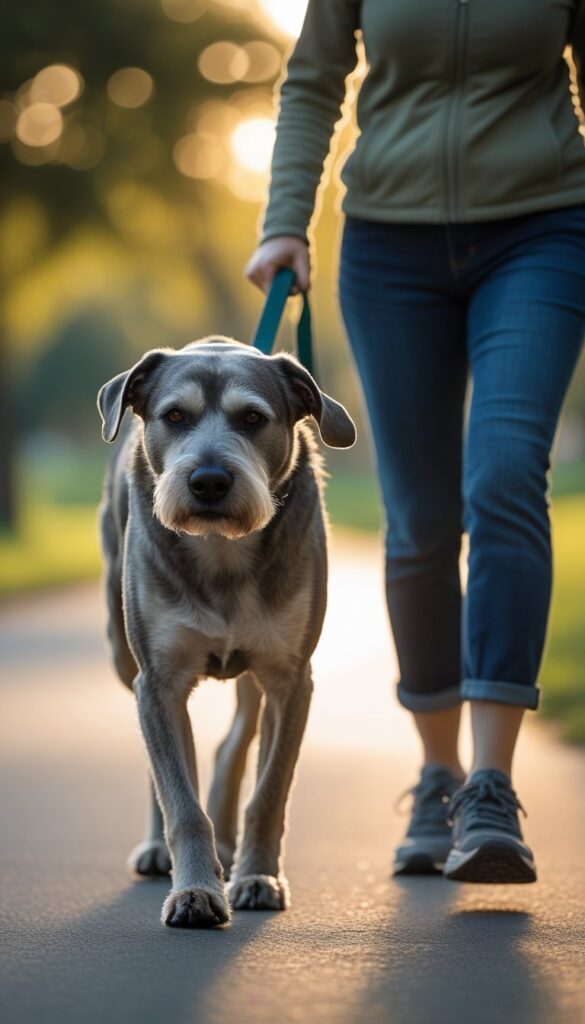
Weight loss in elderly dogs often comes from muscle loss rather than fat loss. This weakens mobility, balance, and overall strength, increasing the risk of falls and injuries.
Protein intake becomes especially important at this stage. Senior dogs need high-quality, easily digestible protein to maintain muscle mass.
Tip: Ask your vet if your dog’s protein intake is sufficient and whether a senior-specific or therapeutic diet is needed.
Stress and Emotional Changes Affecting Weight
Senior dogs are sensitive to routine changes. Loss of a companion, a move, or even schedule changes can cause stress-related appetite loss and weight drop.
Cognitive dysfunction can also cause confusion and anxiety, leading to reduced eating.
Tip: Keep feeding routines consistent and provide extra reassurance and gentle interaction during times of change.
When Weight Loss Becomes an Emergency
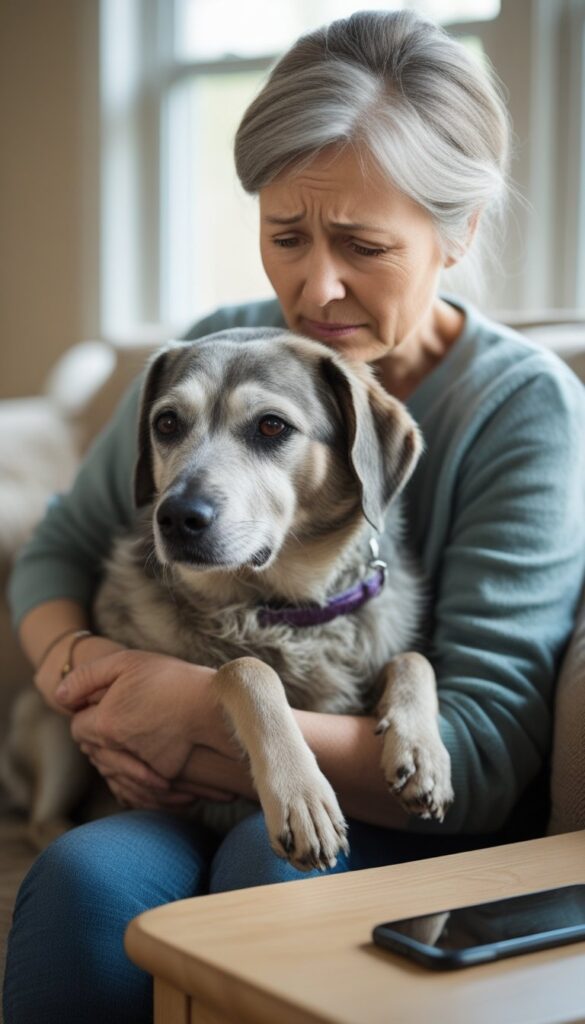
Rapid or severe weight loss should never be ignored. If your elderly dog loses more than ten percent of their body weight in a short time, it is a medical emergency.
Signs like lethargy, vomiting, diarrhea, or refusal to eat for more than 24 hours require immediate veterinary attention.
Tip: Keep a written record of weight changes and appetite levels to share accurate information with your vet.
How Nutrition Can Help Stabilize Weight
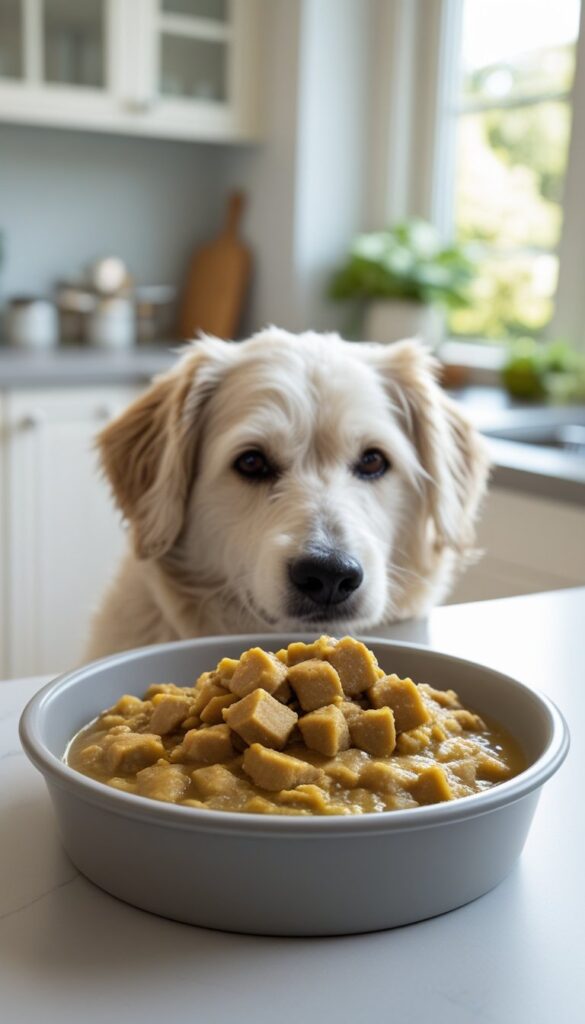
Proper nutrition plays a critical role in stabilizing weight. Soft, calorie-dense foods, added healthy fats, and senior-specific formulas can help dogs regain or maintain weight safely.
The goal is not to overfeed but to feed smarter. Foods should be easy to eat, easy to digest, and nutritionally complete.
Tip: Work with your vet to calculate daily calorie needs and adjust portions gradually to avoid digestive upset.
Conclusion

If you are asking yourself, is your elderly dog losing way too much weight, trust that instinct. Weight loss in senior dogs is not something to ignore or assume is normal aging. It is often a sign that your dog needs extra support, care, and medical attention.
By observing changes early, addressing health concerns, and adjusting nutrition thoughtfully, you can help your senior dog feel stronger and more comfortable. With patience, love, and the right plan, your elderly dog can continue to enjoy their days with dignity and comfort.
Tip: Schedule senior wellness exams at least twice a year and reassess diet, dental health, and weight at every visit to stay ahead of age-related changes.