10 Expert Tips to Choose the Best Premium Dog Food for Large Breeds
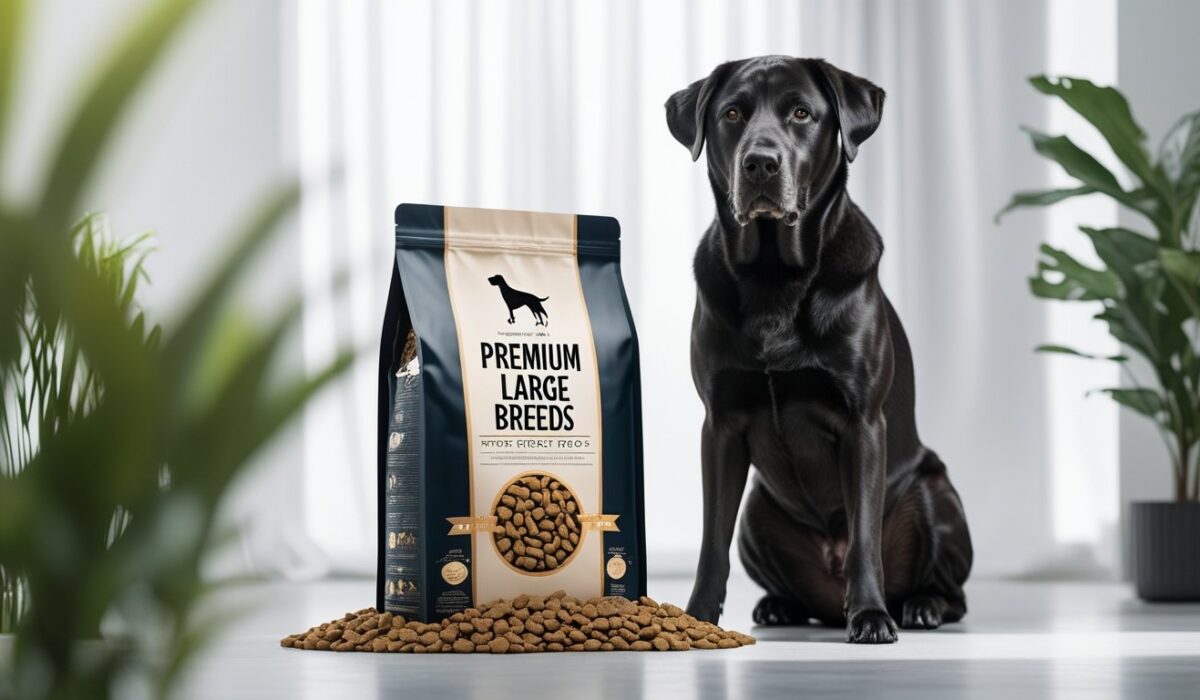
Finding the premium dog food for large breeds can be tricky when you want the best for your furry friend. Large dogs like Labradors, Great Danes, and German Shepherds need balanced nutrition that supports strong bones, lean muscles, and a healthy heart. The wrong food can cause weight gain, joint issues, or poor digestion.
This guide walks you through everything you need to know — from reading labels to choosing the right protein source. You’ll also learn how to make smarter feeding decisions that keep your big pup happy, healthy, and full of energy.
1. Understanding What Makes Large Breed Nutrition Different
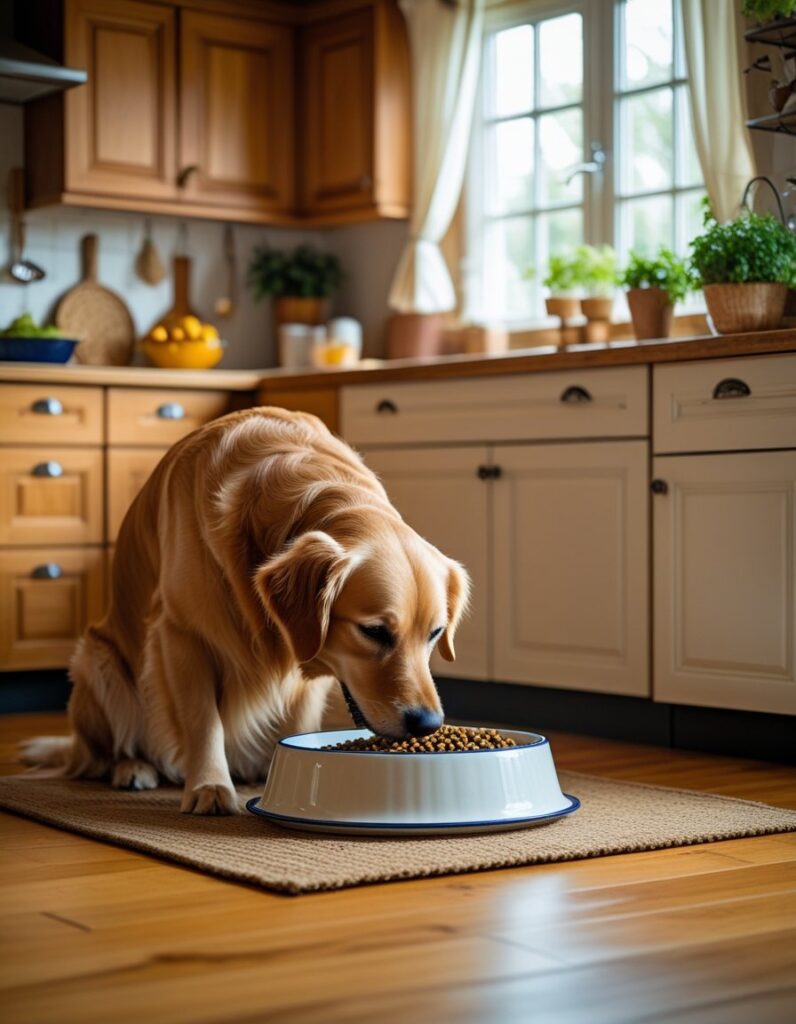
Large breeds have unique dietary needs due to their size and slower metabolism. They require a precise mix of protein, fat, and calories to maintain a healthy weight without stressing their joints. Nutrients like glucosamine and chondroitin are crucial for joint health, especially in active or aging dogs.
Choosing food designed specifically for large breeds ensures the kibble size, calorie count, and nutrients match their needs. It’s not just about filling the bowl — it’s about supporting long-term health and strength.
Tip: Always pick dog food labeled “Formulated for Large Breeds” to ensure balanced nutrition.
2. Protein Power: The Building Block of Muscle
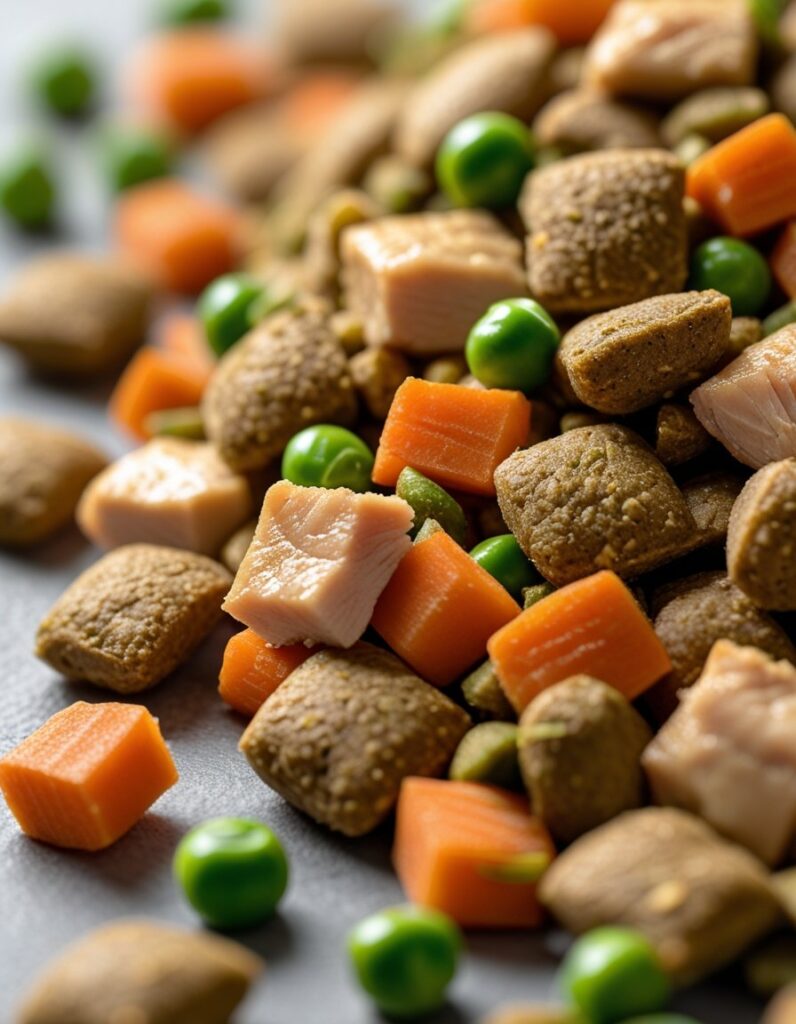
High-quality protein is essential for maintaining muscle mass in large dogs. Look for real meat sources like chicken, beef, lamb, or fish as the first ingredient. Avoid foods that list “meat by-products” or vague protein sources.
Protein helps keep your dog strong, supports their immune system, and repairs body tissues. Large breeds benefit from around 22–26% protein in their diet for optimal health.
Tip: Choose dog food with named meat sources like “chicken meal” or “salmon” instead of generic “meat meal.”
3. The Right Balance of Fats and Calories

Large dogs can easily become overweight if their calorie intake isn’t monitored. Fats provide energy and support skin and coat health, but the key is moderation. Look for dog food that contains healthy fats like fish oil or flaxseed.
Avoid overly calorie-dense formulas that can lead to obesity. Premium large breed foods often have lower fat percentages to maintain ideal body weight without losing muscle tone.
Tip: Check the calorie content per cup — aim for around 340–400 calories for most large adult dogs.
.
4. Essential Vitamins and Minerals for Big Dogs

Large breeds need extra support for bone development and immune health. Calcium and phosphorus keep bones strong, while vitamins A, E, and C protect cells from damage. Omega-3 fatty acids help reduce inflammation in joints.
Feeding a balanced formula ensures your dog gets everything they need without adding supplements unless your vet recommends them. Over-supplementation can be harmful, especially with calcium.
Tip: Don’t add extra vitamins or minerals unless advised by your vet — most premium dog foods already have balanced levels.
5. The Importance of Joint Health Ingredients

Joint problems like hip dysplasia and arthritis are common in large breeds. The best premium dog food for large breeds includes joint-supporting ingredients like glucosamine, chondroitin, and MSM.
These compounds help cushion joints and maintain mobility. Including fish oil also supports joint lubrication and reduces inflammation. Consistent feeding can make a noticeable difference in your dog’s movement and comfort.
Tip: Choose dog food that lists “glucosamine” or “chondroitin” on the ingredient label for better joint support.
6. Digestive Health and Fiber Matters
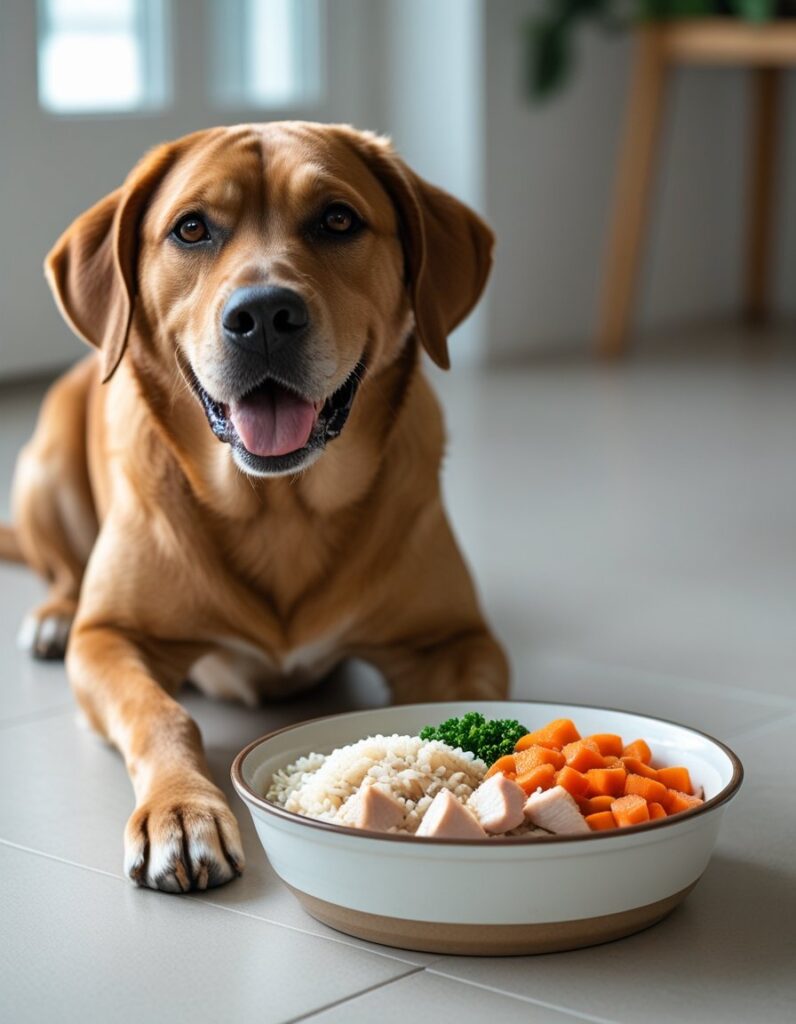
Large dogs often have sensitive digestive systems, so easily digestible ingredients are key. Whole grains like brown rice or oatmeal and fiber sources like sweet potatoes aid digestion and reduce bloating.
Probiotics and prebiotics also help maintain gut health by balancing good bacteria. A healthy digestive system means fewer tummy troubles and better nutrient absorption.
Tip: Look for “prebiotics” or “live probiotics” on the label to support healthy digestion.
7. Comparing Wet vs. Dry Premium Dog Food
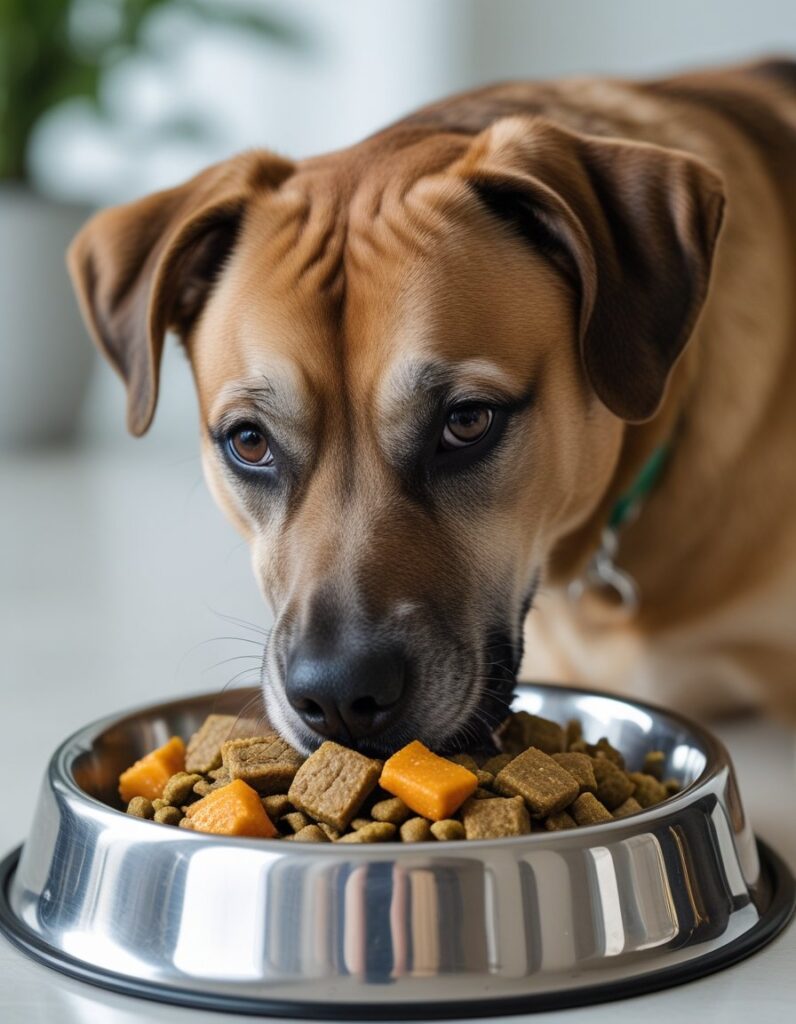
Both wet and dry foods can work for large breeds, but they serve different purposes. Dry kibble is great for dental health and convenience, while wet food provides extra hydration and can be more appealing to picky eaters.
Many owners mix both types for variety and balanced nutrition. If you choose dry food, make sure the kibble size suits your dog’s mouth — too small can cause gulping, too large may be uncomfortable.
Tip: Combine wet and dry food in moderate portions for flavor and texture variety.
8. Reading Dog Food Labels Like a Pro
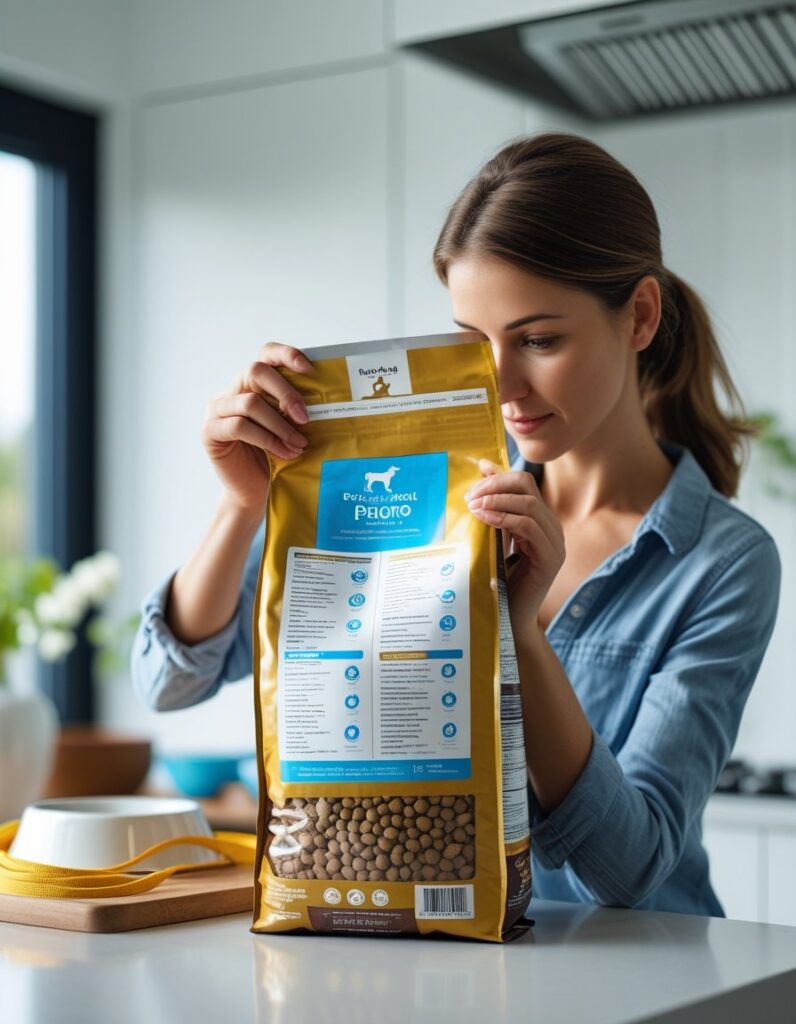
The first five ingredients tell you a lot about food quality. Real meat should come first, followed by whole grains or vegetables. Avoid artificial preservatives, colors, and fillers like corn or soy.
Premium brands are transparent about their ingredient sources. If a label looks vague or overly complicated, it’s often a red flag. Learning to read labels helps you spot quality and avoid marketing tricks.
Tip: Ingredients are listed by weight — prioritize foods with meat listed first.
9. Trusted Brands Worth Considering
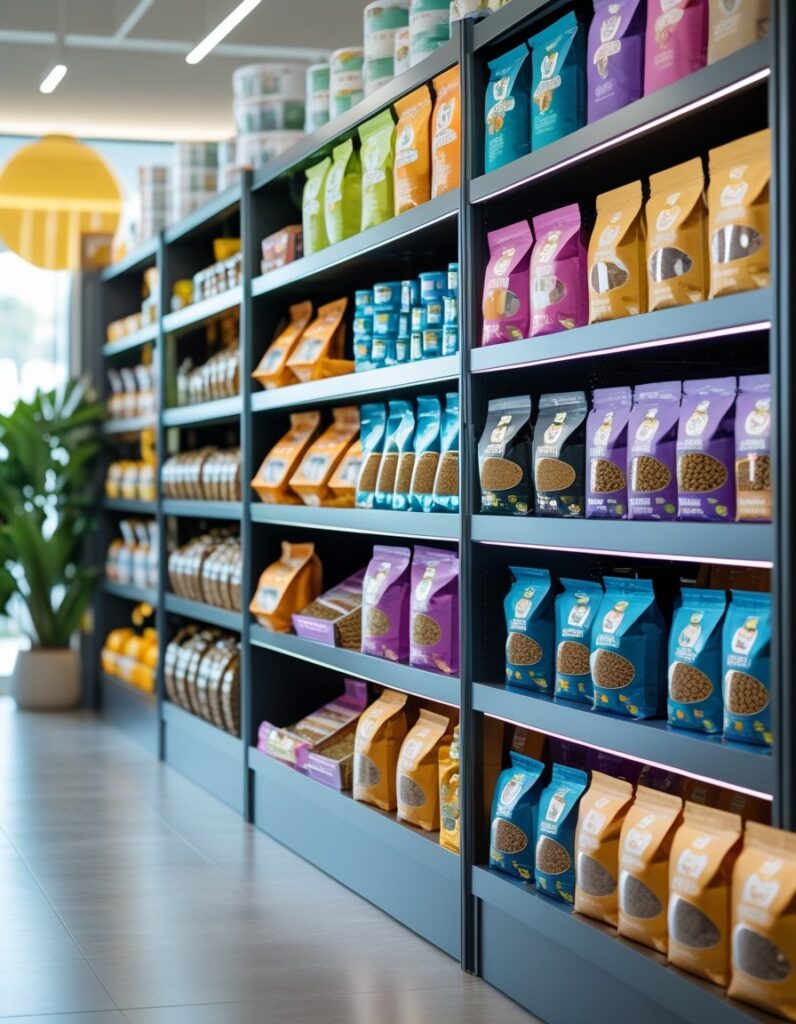
Several trusted brands specialize in nutrition for large breeds, such as Royal Canin, Blue Buffalo, Orijen, and Hill’s Science Diet. These companies invest in research to design balanced formulas that meet the specific needs of big dogs.
Each brand offers options for puppies, adults, and seniors. Always choose based on your dog’s life stage and activity level. The best premium dog food for large breeds fits your dog’s individual lifestyle, not just their size.
Tip: Rotate between a few trusted premium brands to add variety without upsetting digestion.
Also Read: https://thepetbites.com/natural-dog-food-without-fillers/
10. Conclusion

Feeding your large dog the right food is an investment in their health and happiness. With the right balance of protein, fat, and nutrients, you’ll see stronger muscles, shinier coats, and more playful energy. Always choose premium dog food for large breeds from trusted sources, read labels carefully, and adjust portions based on activity level.
Your gentle giant deserves the best — and with informed choices, you can keep them thriving for years to come.