

What Are the Best Soft Treats for Senior Dogs When Teeth Are Sensitive, Chewing Is Hard, and You Still Want to Reward Them Safely
As dogs age, treats stop being just fun extras and start becoming something you have to think carefully about. Many pet parents wonder what the best soft treats for senior dogs are when teeth are sensitive, chewing is hard, and they still want to reward their dog safely. Crunchy biscuits that once worked fine may now be painful or ignored.
Treats should bring joy, not discomfort. The right soft treats can support dental comfort, digestion, and even joint health while still making your senior dog feel loved. This guide explains what treats are truly suitable for older dogs and how to choose them with confidence.
Why Senior Dogs Need Softer Treats
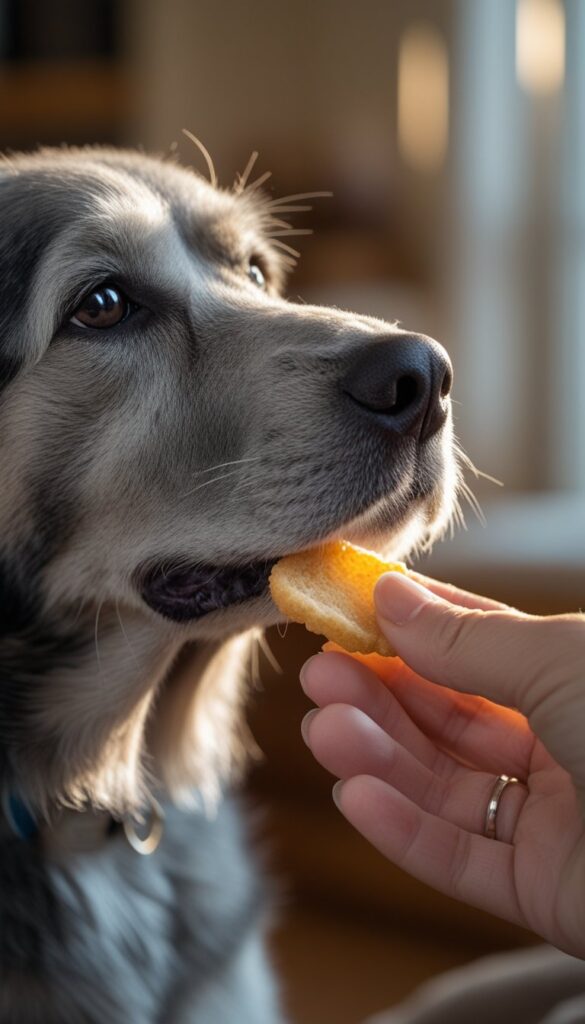
Senior dogs often develop dental problems such as worn teeth, gum disease, or missing teeth. Hard treats can cause pain, discourage chewing, or even lead to broken teeth. This can make dogs hesitant or anxious around treat time.
Soft treats reduce pressure on the jaw and gums. They are easier to chew and swallow, making them safer and more enjoyable. The best soft treats for senior dogs focus on comfort without sacrificing nutrition.
Tip: If your dog drops treats, chews only on one side, or avoids crunchy snacks, switch to soft treats immediately to prevent pain.
Texture Matters More Than Shape
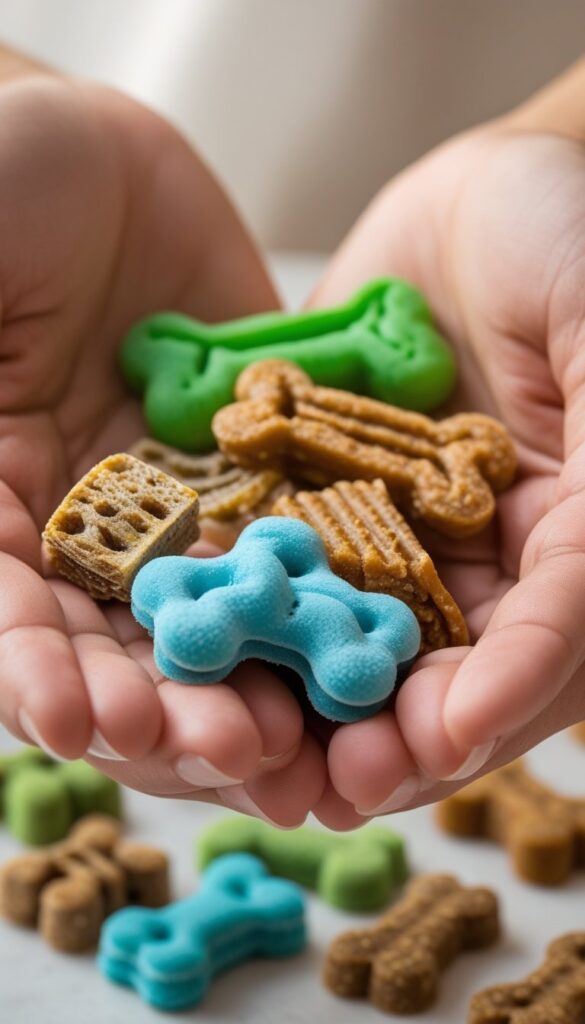
When choosing treats for older dogs, texture is more important than size or shape. Soft, moist treats that can be broken easily are ideal. They should squish between your fingers without crumbling.
Avoid treats that are labeled soft but dry out quickly. Truly soft treats remain pliable and do not require forceful chewing. The best soft treats for senior dogs feel gentle from the first bite.
Tip: Test treats by breaking them with your fingers before giving them to your dog. If they resist, they are likely too hard.
Ingredients Senior Dogs Tolerate Best
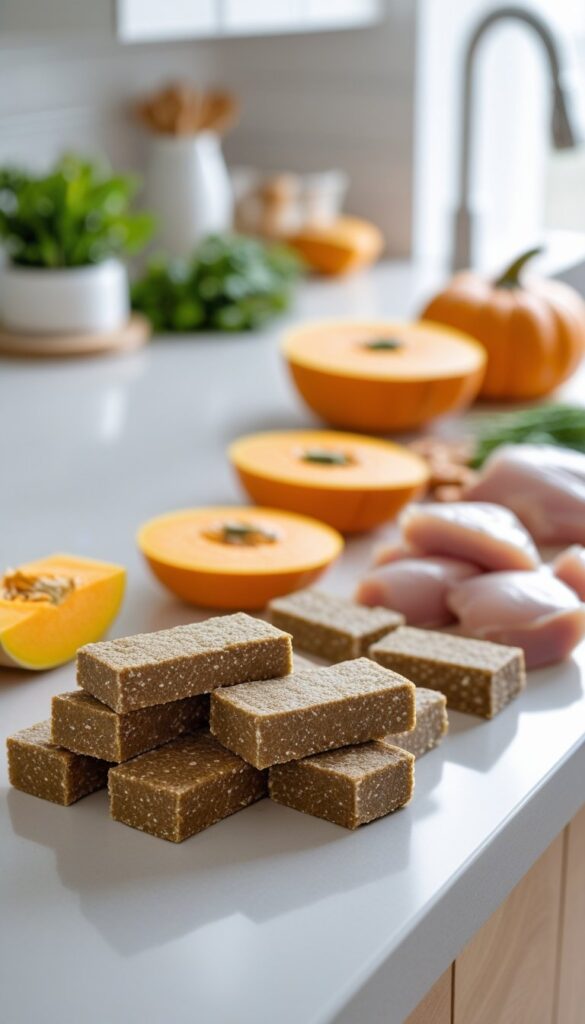
Older dogs often have sensitive digestion along with dental issues. Treat ingredients should be simple, natural, and easy to digest. Limited-ingredient treats are often the safest choice.
Look for treats made with real meat, pumpkin, sweet potato, or oats. Avoid artificial colors, excessive sugar, or chemical preservatives. The best soft treats for senior dogs support digestion as well as dental comfort.
Tip: Choose treats with short ingredient lists and recognizable foods to reduce the risk of stomach upset.
Protein Is Still Important in Treats
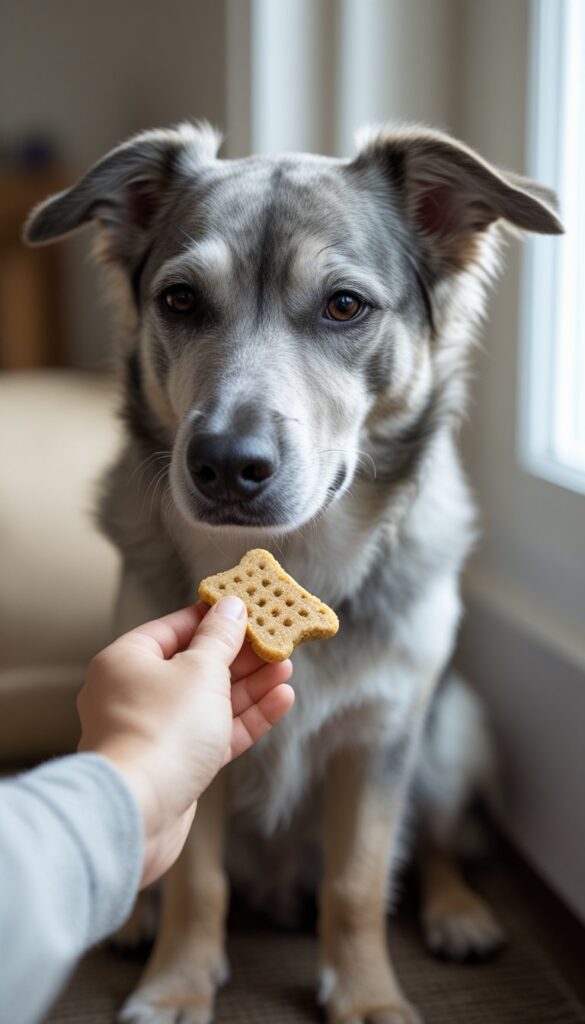
Even treats contribute to your senior dog’s daily nutrition. Protein helps maintain muscle mass and supports immune health, even in small amounts.
Soft treats made with chicken, turkey, salmon, or eggs provide valuable protein without being hard to chew. These treats satisfy hunger while still being gentle on aging teeth.
Tip: Use high-protein soft treats during training to keep portions small but rewarding.
Treats That Support Joint and Mobility Health
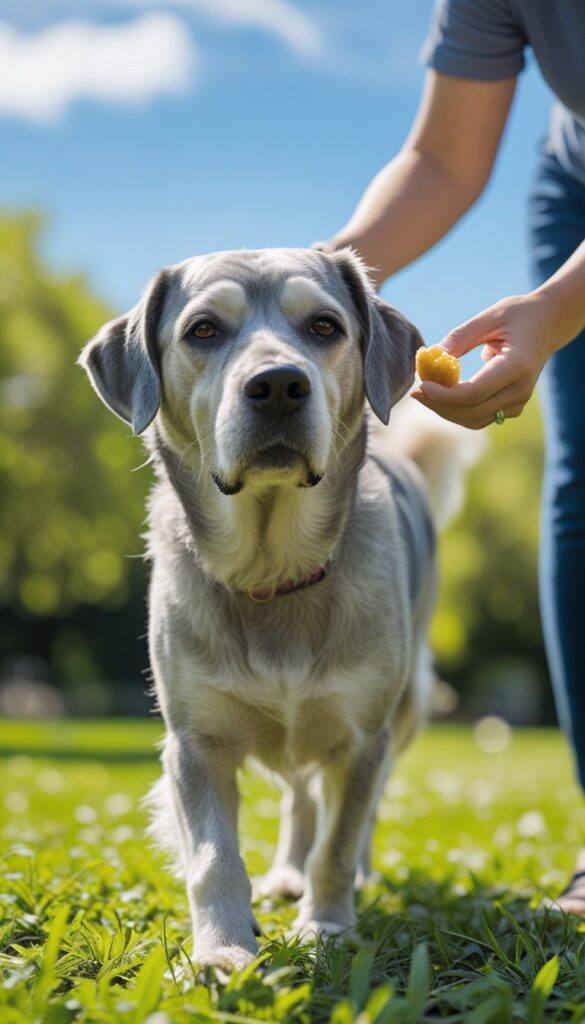
Many soft treats for senior dogs now include functional ingredients. These may support joints, mobility, or inflammation, which are common concerns in older dogs.
Ingredients like glucosamine, chondroitin, turmeric, and omega-3 fatty acids can provide extra support. The best soft treats for senior dogs often serve both as rewards and wellness aids.
Tip: Treats with joint-support ingredients work best when given consistently and paired with gentle daily movement.
Managing Weight While Giving Treats
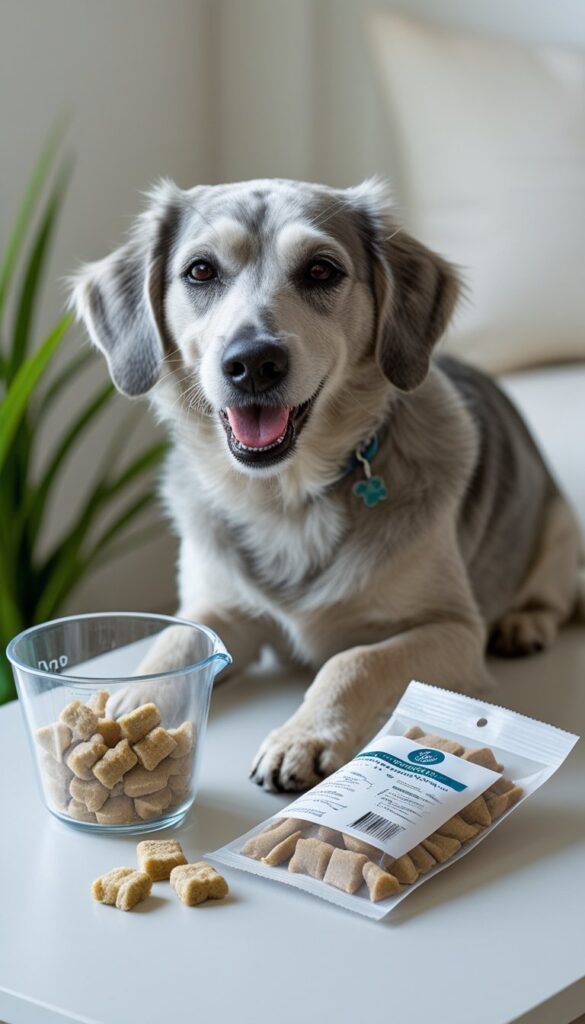
Senior dogs gain weight more easily due to slower metabolism. Even soft treats can add extra calories if given too often.
Choose low-calorie soft treats and break them into smaller pieces. This allows you to reward your dog without affecting their weight or joint health.
Tip: Treats should make up no more than ten percent of your dog’s daily calories.
Homemade Soft Treat Options for Senior Dogs
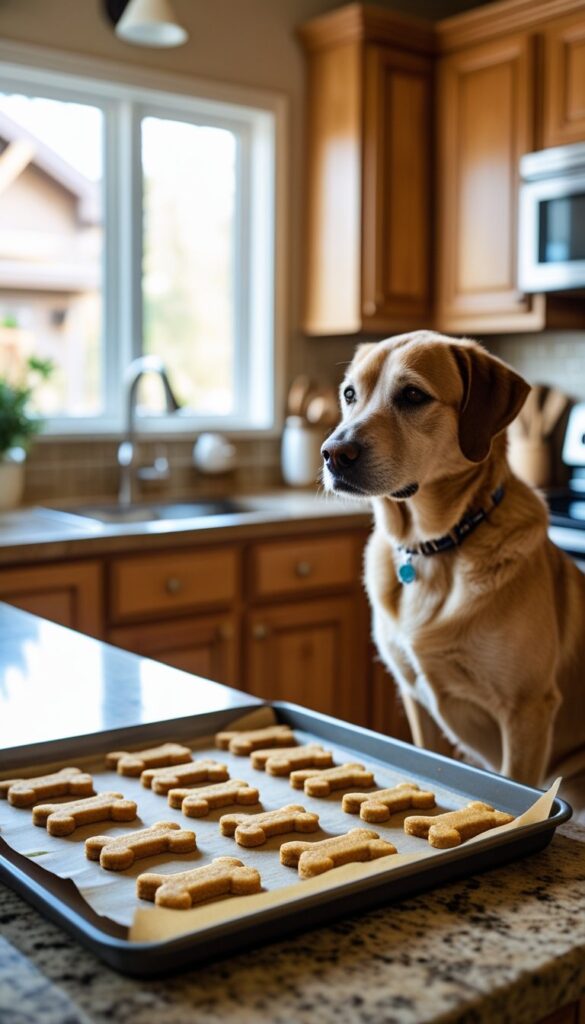
Some pet parents prefer homemade treats for better control over ingredients. Simple options like mashed sweet potato cubes, soft cooked chicken, or pumpkin bites can work well.
These treats are naturally soft and free from preservatives. The best soft treats for senior dogs can sometimes come straight from your kitchen.
Tip: Always avoid toxic foods like onions, garlic, grapes, and excessive salt when making homemade treats.
Using Soft Treats for Training and Bonding
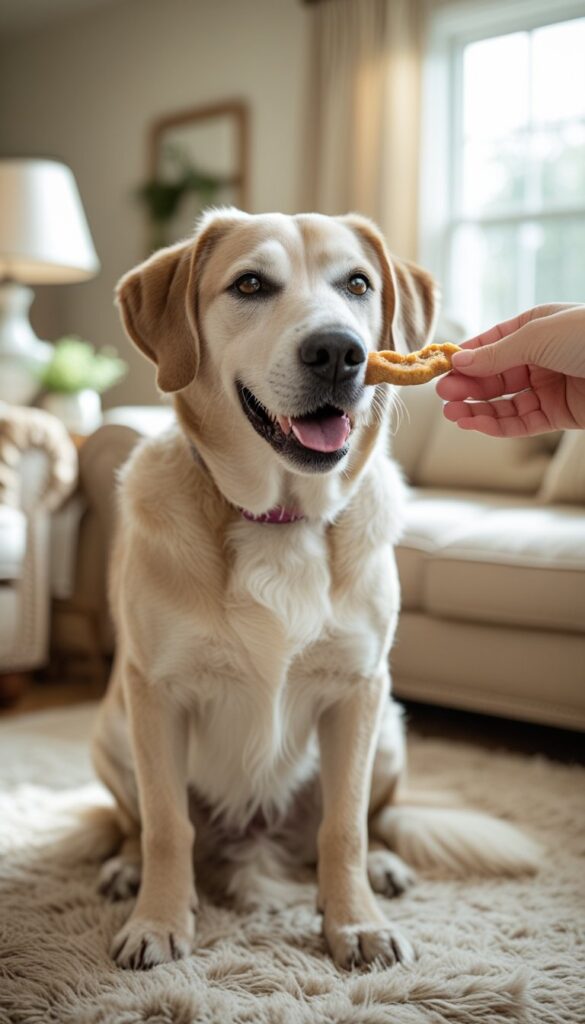
Senior dogs still enjoy learning and bonding. Soft treats are excellent for gentle training sessions, mental stimulation, or reinforcing good behavior.
Because they are easy to chew, your dog can focus on interaction rather than discomfort. This keeps training positive and stress-free.
Tip: Use pea-sized soft treats during short training sessions to avoid fatigue.
When Treats Should Be Avoided or Limited
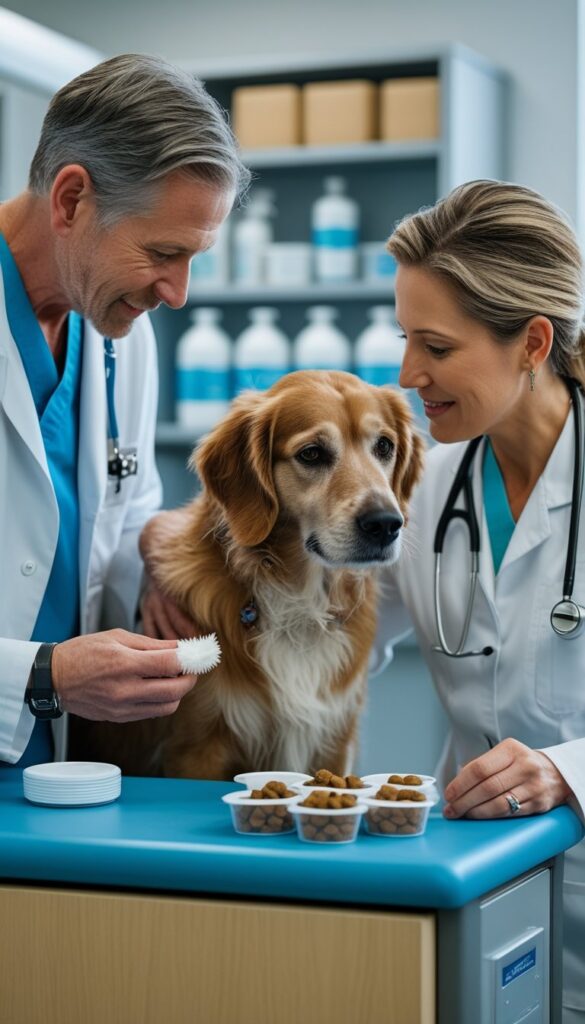
Some senior dogs have medical conditions such as diabetes, kidney disease, or severe dental infections. In these cases, treats may need to be limited or carefully selected.
Always consult your vet if your dog has a chronic condition. The best soft treats for senior dogs should align with their overall health plan.
Tip: Bring treat labels to vet visits so you can confirm they are safe for your dog’s condition.
Conclusion

Treats are still an important part of your senior dog’s happiness. With the right soft treats, you can reward good behavior, strengthen your bond, and support comfort at the same time. The best soft treats for senior dogs are gentle, nutritious, and thoughtfully chosen.
Pay attention to how your dog chews, digests, and reacts. Adjust treats as needed, and always prioritize comfort over crunch. Your senior dog deserves treats that feel good and taste good, every single time.
Tip: Reassess your dog’s treats every few months as dental health and digestion can change quickly in senior years.